I’ve pulled a lot of generators off pallets over twelve years in the trade, and propane units are the ones homeowners ask me about most. Usually it starts the same way: a neighbor got one, it ran quiet through a three-day outage, and now they want to know if they should do the same.
Short answer? Sometimes. Propane is a genuinely good fuel for backup power, but it’s not free of trade-offs, and the folks who end up frustrated are the ones nobody leveled with up front. So let me level with you.
Below is the real propane generator pros and cons breakdown I’d give you standing in your driveway, tank pressure gauge in hand.
Key takeaways
- Propane stores indefinitely and burns cleaner than gasoline, which makes it excellent for equipment that sits idle for months.
- You’ll pay a fuel-efficiency penalty: expect roughly 20-30% less power per gallon compared to gasoline.
- Cold weather can starve a small tank of vapor, so tank sizing matters more than people think.
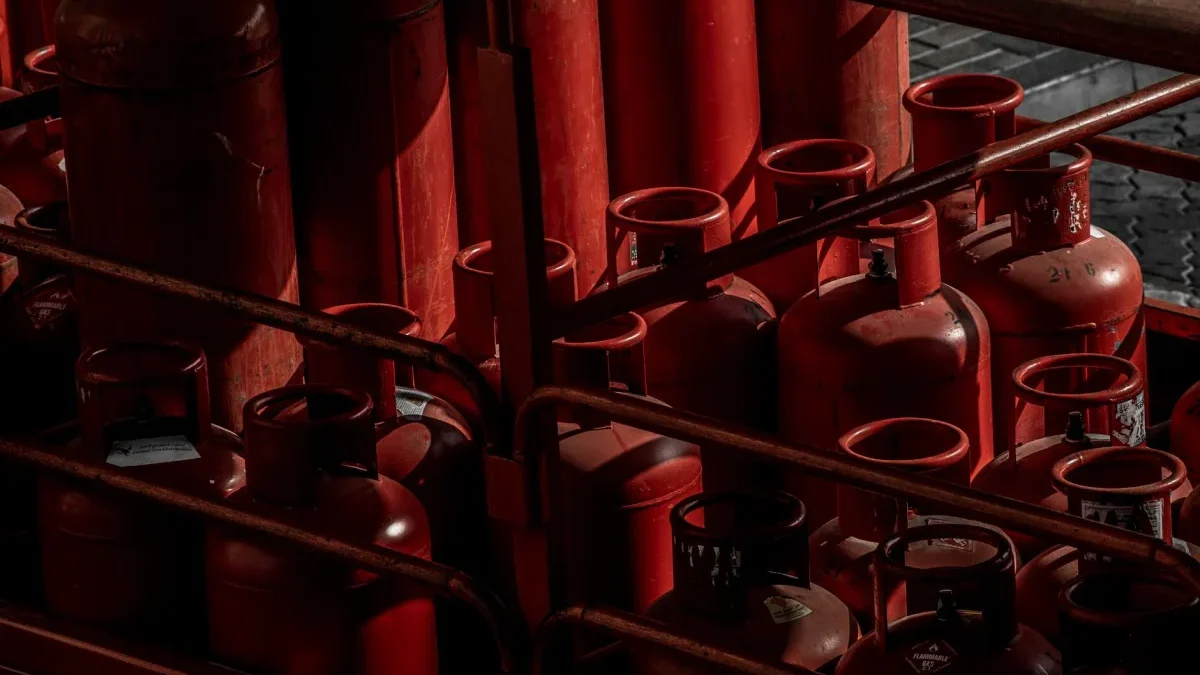
- A propane whole-home standby with a buried 500-gallon tank can run a house for a week or more; a 20 lb grill bottle runs a portable for about 5-7 hours at half load.
Why homeowners keep choosing propane
The biggest draw is storage. Gasoline goes stale in three to six months even with stabilizer, and I’ve cut apart carburetors gummed solid because someone left old fuel in a generator that sat all summer. Propane doesn’t do that. A tank you filled in 2020 will start your generator in 2030 without a second thought.
It also burns cleaner. Fewer carbon deposits means less valve gunk and, in my experience, longer stretches between real engine trouble. On a job last winter I serviced a propane standby that had 900 hours on it and the plugs looked almost new.
Then there’s the fuel supply itself. If you already heat with propane or cook on it, tying a generator into that same tank is one of the cleanest setups going. No jerry cans, no midnight gas-station runs during a storm. For a fuller side-by-side, our writeup on generator fuel types compared lays out how propane stacks up against the alternatives.
Quieter and cleaner at the tailpipe
Propane rigs tend to run a touch quieter and put out noticeably less soot and odor than gasoline or diesel. Your neighbors will thank you, and so will your garage door, which won’t get that gray film over a long outage.
The propane generator pros and cons that trip people up
Here’s where I earn my keep. The downsides are real, and none of them are dealbreakers if you plan around them.
Efficiency. Propane holds less energy per gallon than gasoline or diesel. In practical terms you get maybe 20 to 30 percent fewer watt-hours out of a gallon. If you want the arithmetic behind that, we walk through it in how much propane a generator uses.
Cold-weather vapor. Propane has to boil off into vapor before the engine can use it, and small tanks struggle with that in deep cold. Below about 20 degrees F, a single 20 lb bottle can’t produce vapor fast enough to feed a hungry generator, and you’ll see the unit surge or stall.
Up-front cost. A propane-ready portable usually runs a bit more than a gasoline-only twin, and a whole-home standby plus a buried tank and a licensed install can land anywhere from $6,000 to $15,000 depending on your house.
Never run any generator inside a garage, shed, or enclosed porch, even with the door open. Carbon monoxide from a propane unit is just as deadly as from gasoline. Keep it at least 20 feet from the house with the exhaust pointed away, and put CO alarms on every level of your home.
Portable propane vs. whole-home standby
These are two different animals, and picking the wrong one is the most common mistake I see.
A dual-fuel portable in the 7,000 to 9,000-watt range is great for keeping the fridge, a few lights, the furnace blower, and your phones alive. You wheel it out, hook a hose to a grill bottle or a bigger 100 lb cylinder, and you’re running in ten minutes. If that’s your goal, our beginner guide to portable generators is worth a read first.
A standby unit is bolted to a pad, wired to a transfer switch, and kicks on automatically when the power drops. Fed from a 250 or 500-gallon tank, it’ll carry a whole house for days. It’s more money and needs a pro to install, but you never touch it during an outage.
Runtime you can actually expect
| Setup | Tank | Rough runtime |
|---|---|---|
| Portable, ~half load | 20 lb grill bottle | 5-7 hours |
| Portable, ~half load | 100 lb cylinder | 28-36 hours |
| 22 kW standby, typical home | 500-gallon (~400 usable) | 7-10 days |
Those are ballpark figures at moderate load. Run everything wide open and they drop fast; sip carefully and they stretch.
Is propane the right fuel for your house?
Run through this before you buy anything. If you check most of these boxes, propane is probably your fuel.
- You already have a propane tank on the property or room to place one.
- Your outages are measured in days, not hours, so long storage life pays off.
- You don’t want to babysit stale gasoline between storms.
- Your winters rarely drop below the low 20s, or you’ll size the tank to handle it.
- You value quiet, clean-running equipment near the house.
If your winters are brutal and you need days of hard runtime, it’s worth comparing against diesel generators for home backup, which shrug off cold better. And if you’re already on a natural-gas line, how much natural gas a generator uses may change the math entirely.
Size your tank for the cold, not the calendar. A 100 lb cylinder or larger keeps enough vapor pressure flowing to feed a portable even on a bitter night, where a single grill bottle will choke. For standby units, go one tank size bigger than the salesman suggests.
What I’d tell my own brother
If you want backup power that starts on the first cold morning after sitting untouched all summer, propane is hard to beat. Accept the small efficiency hit, size the tank honestly for your climate, and keep up with basic service using our generator maintenance checklist.
Your next move is simple: figure out your critical loads, add them up, and get a real number in watts before you shop. Then match a propane unit and tank to that number with room to spare. For safe installation and CO placement, the Consumer Product Safety Commission’s generator guidance and the Ready.gov power outage page are both worth ten minutes before you fire anything up.
Do that, and you’ll be the neighbor everyone’s asking about next storm.