The first generator I ever converted was a beat-up 5,500-watt unit that had sat in a shed since a hurricane two years prior. The gas in the tank had turned to varnish, the carburetor was gummed shut, and the owner was ready to throw it in the trash. Two hours and a $70 kit later, it fired up on the second pull running propane, and he never touched gasoline again.
That’s the pitch in a nutshell. If you’re tired of stale fuel, fouled carburetors, and gas cans crowding your garage, learning to convert a generator to propane solves most of those headaches at once. Propane stores for years without degrading, burns cleaner, and doesn’t leave your carb full of gunk between outages.
This is a job most handy homeowners can pull off themselves. Let me walk you through what it actually takes.
Key takeaways
- A basic conversion kit runs $50 to $200 and installs in one to two hours with hand tools.
- Propane stores indefinitely and won’t gum up your carburetor between power outages.
- Expect roughly 10 percent less peak power output running propane versus gasoline.
- Dual-fuel and tri-fuel kits let you keep gasoline as a backup instead of abandoning it entirely.
Why bother converting a generator to propane
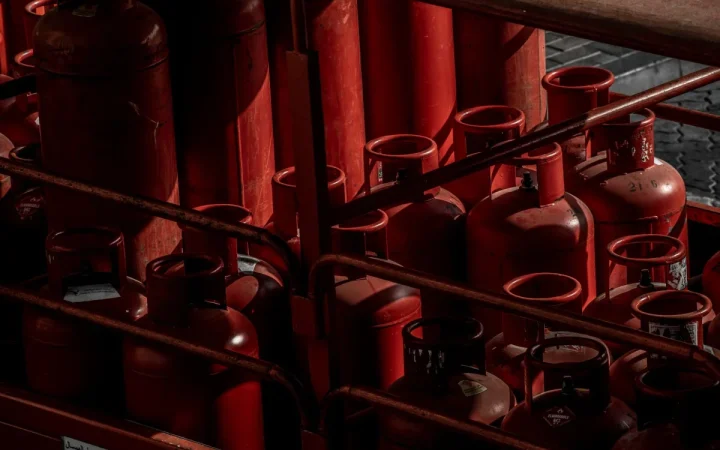
The number one reason I hear from customers is storage. A can of gasoline with stabilizer added is questionable after six months and useless after a year. A propane tank you filled in 2019 will run your generator just fine today.
The second reason is reliability. Most no-start calls I ran over the years traced back to a carburetor clogged with old fuel. Propane is a gas at room temperature, so there’s nothing to varnish up and nothing to clog those tiny jets.
There are trade-offs, though. You’ll lose around 10 percent of your rated output, so a 5,000-watt gas generator behaves more like a 4,500-watt unit on propane. If you want the full breakdown of how the fuels stack up, our comparison of the main generator fuel types lays out the numbers side by side.
Is your generator a good candidate
Almost any small engine with a conventional carburetor can be converted, from a Predator 3500 to a big Champion or a Honda EU-series. The kit taps into the carburetor and feeds vaporized propane into the intake stream.
What matters is the carburetor style. Most single-cylinder generator engines use a simple float-bowl carb that these kits are designed around. If your generator is fuel-injected, and a handful of newer inverter models are, a bolt-on kit won’t work and you’ll want to look at a factory dual-fuel unit instead.
Propane is heavier than air and pools in low spots. Only run a converted generator outdoors, at least 20 feet from any window, door, or vent, and never in a garage or crawlspace. Carbon monoxide from any generator can kill in minutes.
What you’ll need before you start
Gather everything first so you’re not running to the hardware store mid-job with your carburetor in pieces. Here’s my standard kit for a conversion.
- A propane conversion kit matched to your engine size (Hutch Mountain and US Carburetion are the two I trust most)
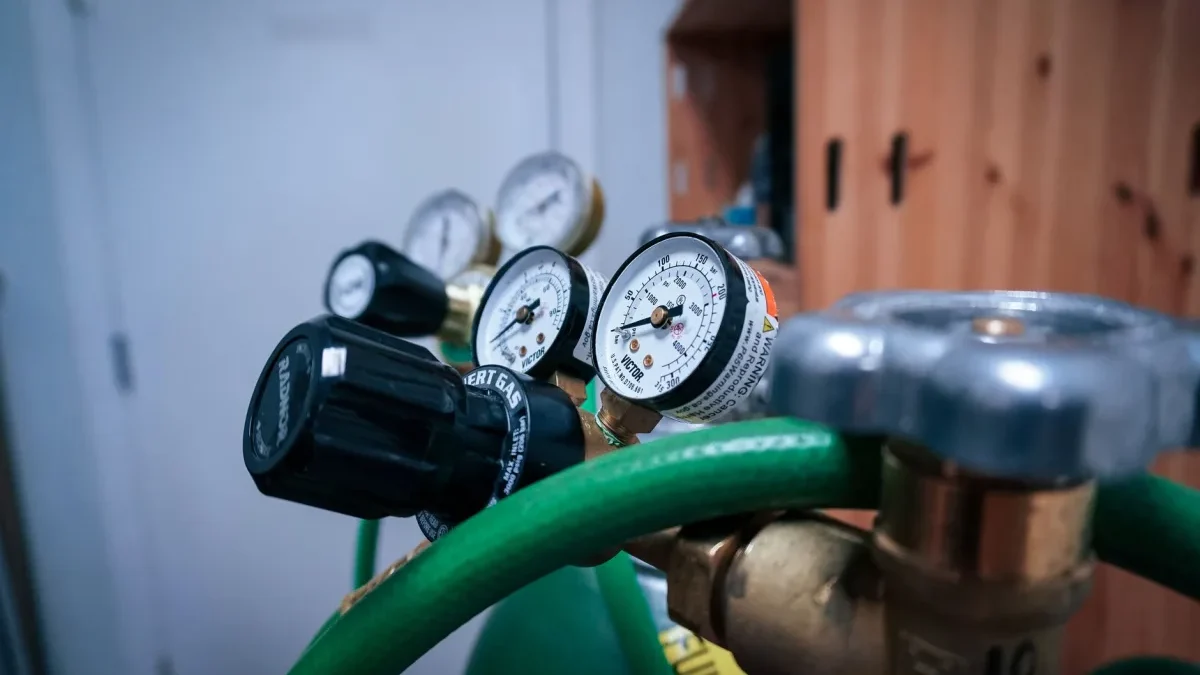
- A 20-pound propane tank with a fresh fill and a working regulator
- A propane hose with a POL or ACME fitting to match your tank
- Basic hand tools: nut drivers, a small flat screwdriver, and pliers
- A soapy water spray bottle for leak testing
- Thread sealant rated for propane (never standard Teflon tape on gas lines)
Choosing the right kit
Kits come in three flavors. A propane-only kit is the cheapest and simplest. A dual-fuel kit lets you switch between gas and propane. A tri-fuel kit adds natural gas from a home line, which is handy if you have a gas meter and want a hardwired option.
For most homeowners I recommend a dual-fuel setup around $90 to $150. Keeping gasoline as an option costs you almost nothing and gives you a fallback if a tank runs dry at 2 a.m.
How to convert a generator to propane, step by step
Set aside a quiet afternoon. None of these steps are hard, but rushing the leak check is how people get hurt.
1. Drain and prep the engine
Shut off the fuel valve and run the generator until it dies to empty the carburetor. Disconnect the spark plug wire before you touch anything else. Let the engine cool completely.
2. Install the adapter plate
Most kits use a spacer or adapter that sits between the air filter and the carburetor, or bolts to the carb intake. Remove the air filter housing, slip the adapter in place, and reinstall the housing with the longer bolts the kit provides.
3. Route and connect the hose
Run the propane hose from the regulator to the adapter’s fitting. Keep it clear of the muffler and any hot surfaces. Apply propane-rated thread sealant on the threaded connections and snug them down firmly, not gorilla-tight.
4. Leak test every joint
This is the step you never skip. Open the tank valve, spray soapy water on every fitting, and watch for bubbles. Any growing bubble means a leak, so close the valve, fix the joint, and test again before you go further.
5. Start and tune
Reconnect the spark plug wire, open the tank valve, and pull the starter or hit the electric start. Some kits have an adjustment screw to dial in the mixture. Turn it slowly until the engine runs smooth and steady, then let it warm up under a small load.
On a job last winter the engine kept surging until I backed the mixture screw out a quarter turn. If yours hunts up and down, it’s almost always running too lean. Small adjustments, one at a time.
What changes after the swap
Once you’re running propane, day-to-day life gets simpler. No more draining the carb before storage, no more fuel stabilizer, no more gas smell in the garage.
Runtime is the one thing to plan around. A 20-pound tank gives you roughly 5 to 7 hours at half load on a mid-size generator, which is shorter than a full gas tank on many units. Our piece on how much propane a generator actually burns has the hourly figures for different sizes, and I keep two spare tanks on hand for that reason.
Here’s a quick side-by-side of what most homeowners notice after converting.
| Factor | Gasoline | Propane |
|---|---|---|
| Peak power | Full rated output | About 10% less |
| Fuel shelf life | 6-12 months | Effectively indefinite |
| Cold starts | Reliable | Harder below freezing |
| Carburetor gumming | Common | None |
| Runtime per fill | Longer | Shorter per 20 lb tank |
If you’re still deciding whether propane fits your setup at all, the honest rundown in propane generators: pros and cons is worth ten minutes before you buy a kit. And if you’re weighing a bigger picture, folks who need long runtimes sometimes land on diesel for home backup instead.
Staying safe and keeping it running
Treat propane with respect and it’s genuinely safe. Store tanks upright, outdoors, away from heat, and check the hose and fittings for cracks every few months. The Consumer Product Safety Commission’s portable generator guidance is the reference I point every customer to on placement and carbon monoxide.
A converted generator still needs the same engine care as before. Oil changes, air filter checks, and spark plugs don’t go away just because the fuel changed. Run through our full generator maintenance checklist at the start of every storm season.
For tank handling and refill rules, the NFPA’s generator safety resources cover the fire-code basics worth knowing.
Your next move this weekend
Pick your kit first, matched to your exact engine model, and order a fresh 20-pound tank so you can leak test and run it the same day. If you’re brand new to backup power and not sure your generator is even the right size for the job, start with our beginner guide to portable generators before you buy anything.
Set aside two hours, follow the leak-test step like your life depends on it, and you’ll have a generator that starts on the first pull after sitting all year. That reliability is the whole reason people do this.