Every homeowner who calls me about a natural gas standby unit asks the same thing before we even talk brands: “So what’s this going to do to my gas bill?” It’s a fair question, and honestly, it’s the one most sales sheets dance around.
The short answer is that a typical whole-home standby generator burns somewhere between 100 and 300 cubic feet of natural gas per hour, depending on its size and how hard it’s working. But that range is wide enough to be useless if you’re trying to plan, so let me walk you through the actual numbers I quote at the kitchen table.
I spent twelve years pulling wire and setting these units, and I’ve watched enough gas meters spin to give you figures you can trust instead of marketing fluff.
Key takeaways
- A 22 kW home standby generator burns roughly 250-320 cubic feet of natural gas per hour at full load, less at partial load.
- At around $1.20 per 100 cubic feet, that’s about $3 to $4 an hour running hard, often closer to $2 when the load is light.
- Natural gas generators sip fuel at idle but drink it under heavy load, so right-sizing the unit matters more than most people think.
What natural gas generator consumption actually means
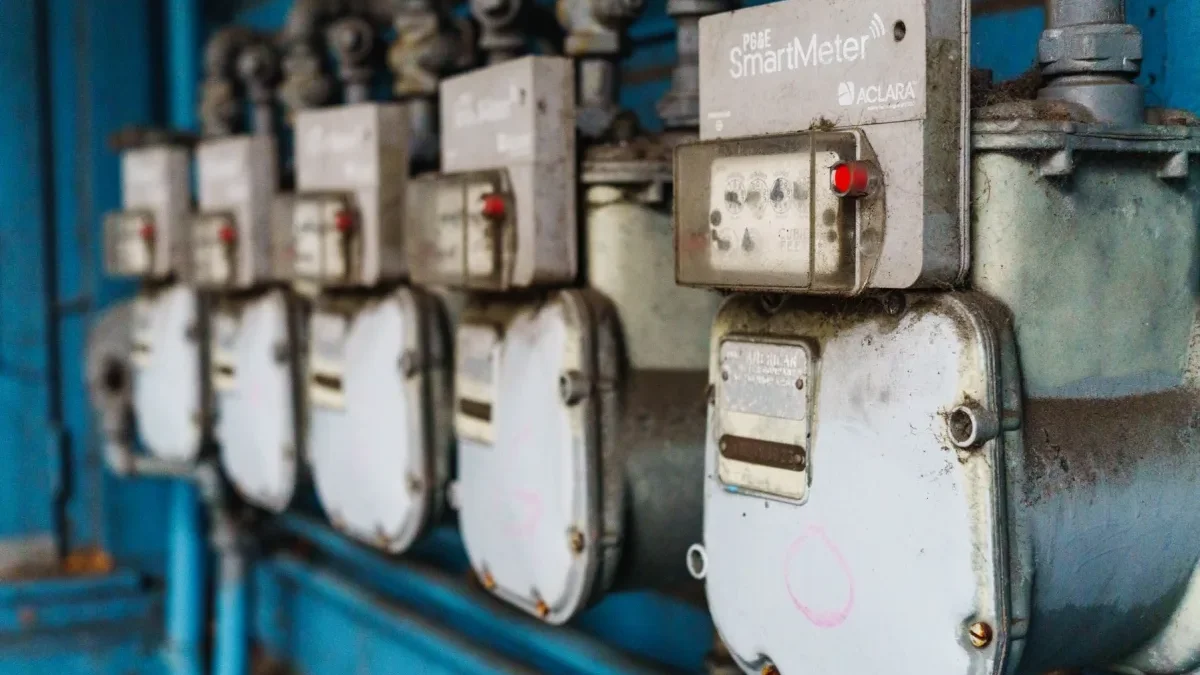
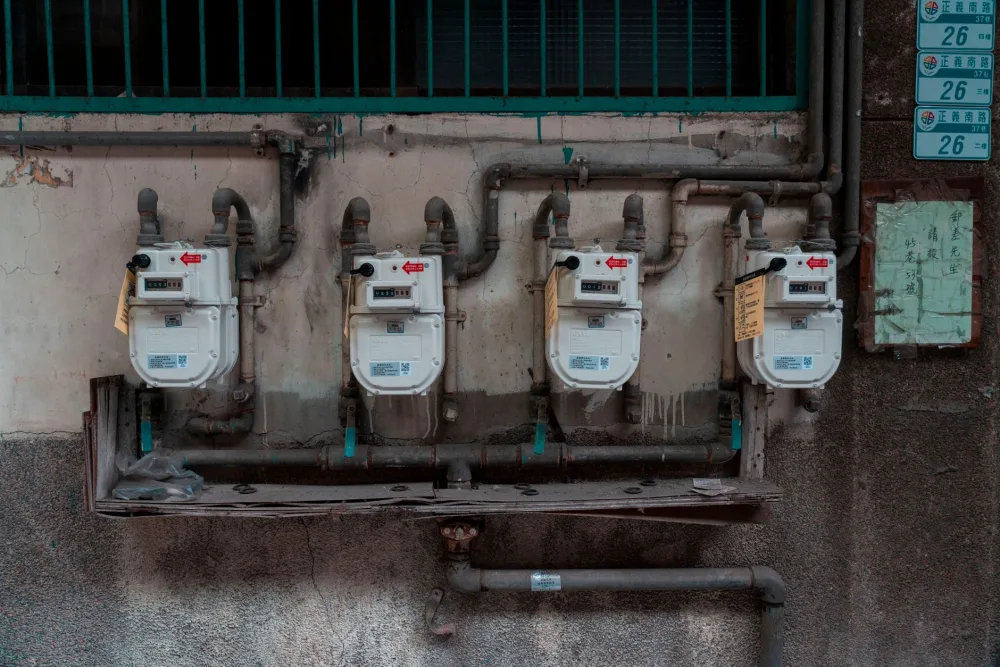
Gas usage gets measured a couple of ways, and mixing them up is where people get confused. Your utility bills you in therms or CCF (hundred cubic feet), while generator spec sheets usually list consumption in cubic feet per hour or BTUs.
One cubic foot of natural gas holds about 1,020 BTUs. A CCF, one hundred cubic feet, runs close to one therm. Keep that conversion in your back pocket and the spec sheets stop looking like a foreign language.
Here’s the part that trips folks up: natural gas generator consumption isn’t a fixed number. It scales with how much power you’re pulling. A generator running your whole house during a summer heat wave eats far more than the same unit keeping a fridge and a few lights alive overnight.
Real consumption numbers by generator size
Let me give you the figures I actually use. These are pulled from manufacturer data for common air-cooled standby units, and they line up with what I’ve seen on real installs.
| Generator size | Half load (cu ft/hr) | Full load (cu ft/hr) | Rough cost/hr at full load* |
|---|---|---|---|
| 10 kW | 115 | 168 | $2.02 |
| 14 kW | 153 | 222 | $2.66 |
| 22 kW | 212 | 301 | $3.61 |
| 26 kW | 245 | 350 | $4.20 |
*Based on roughly $1.20 per 100 cubic feet. Your rate will differ, so check a recent bill and plug in your own number.
The 22 kW unit is the one I set most often on a three or four bedroom house, so that ~300 cubic feet an hour is the figure worth remembering. Run it flat-out for 24 hours and you’re looking at around 7,200 cubic feet, or roughly $86 for the day.
Most days it won’t run flat-out, though. That’s the good news I’ll get to in a second.
Why you rarely hit the full-load number
A generator only burns fuel for the wattage you’re pulling at that moment. Your air conditioner cycles off, the dryer finishes, the well pump shuts down, and consumption drops right along with the load.
On a real outage, most homes average maybe 40 to 60 percent of the generator’s capacity. So that 22 kW unit that could burn $3.61 an hour often lands closer to $2.30 across a typical day. I’ve had clients text me after a three-day outage genuinely surprised the gas bill barely moved.
Want a real estimate for your house? Add up the running watts of everything you’d actually run at once, divide by your generator’s rated watts, and use that percentage to land between the half-load and full-load columns above. It gets you far closer than the sticker number.
What drives your gas usage up or down
Size isn’t the only lever. A few things swing consumption more than people expect, and knowing them helps you plan.
- Total electrical loadthe single biggest factor. More appliances running means more fuel, full stop.
- Ambient temperatureengines work a touch harder in extreme cold or heat, and your AC or furnace loads pile on too.
- Altitudethinner air at high elevation can affect efficiency and rated output.
- Generator conditiona poorly maintained engine burns more for the same work, one more reason to keep up with service.
- Gas pressure at the unitundersized supply lines starve the engine and cause hard starts.
That last one bites people. I once got called to a house where a brand-new 24 kW unit kept stumbling under load. The installer had run a supply line two sizes too small, and the generator was fuel-starved every time the AC kicked on. Right pipe, problem gone.
Gas line sizing and pressure are not DIY territory. An undersized or improperly sealed line can cause dangerous underperformance or leaks. Have a licensed plumber or gas fitter confirm your meter and piping can handle the added demand before install.
Natural gas versus the other fuels on your bill
People often ask whether they’d be better off on propane or gasoline. Each fuel has its trade-offs, and I’ve laid out the full breakdown in our rundown on how the common generator fuel types stack up.
The big draw with natural gas is convenience. It pipes straight to the unit, so there’s no tank to refill and no fuel to stabilize. If you’re weighing propane instead, our guide to sizing a propane tank for a generator shows how much you’d need to store for the same runtime.
Gasoline is a different animal entirely. If a portable gas unit is more your speed, read up on storing gasoline safely and on what fuel stabilizer actually doesbecause stale gas is the number one reason portables won’t start when you need them. Natural gas skips both headaches, which is a real point in its favor.
Efficiency is roughly a wash on cost
Per BTU, natural gas is usually the cheapest fuel to run. It’s less energy-dense than gasoline or propane by volume, so the generator burns more cubic feet, but the price per unit of energy typically comes out lower. For a rough sense of scale, the U.S. Energy Information Administration’s natural gas overview tracks residential rates by region if you want to sanity-check your own math.
How to keep your consumption in check
You can’t change physics, but you can avoid wasting fuel. The biggest one is not oversizing. A 26 kW unit on a small house idles inefficiently and costs more to run than the 16 kW you actually needed.
If you’re still deciding between a big standby and something simpler, our beginner’s guide to portable generators for home backup is worth a look before you commit to the bigger install.
Maintenance matters too. A clean air filter, fresh oil, and a properly tuned engine burn measurably less gas for the same output. I keep a running maintenance checklist that’ll help you stay ahead of it, and the CPSC’s generator safety guidance is a solid reference on safe operation while you’re at it.
Your next move before you buy
Before you sign anything, do one thing: pull a recent gas bill and note your rate per CCF or therm. Then take the full-load number for the generator size you’re considering from the table above and run the simple math for a worst-case day.
If that number doesn’t scare you, and for most people it lands around the cost of a couple restaurant meals per day of outage, natural gas is one of the easiest backup fuels to live with. Get the sizing right, get the gas line right, and the running cost mostly takes care of itself.
Grab your bill, get a real quote with load numbers spelled out, and you’ll know exactly what you’re signing up for.