The first question I get on almost every backup power call is some version of “which fuel should I use?” It sounds simple. It isn’t, because the right answer depends on how long your outages run, how much you’re willing to store on the property, and how often you’re honestly going to maintain the thing.
I spent twelve years wiring and servicing home standby systems before I started writing, and I’ve seen every fuel choice go both ways. A propane setup that saved a family through a five-day ice storm. A gas can that gummed up a carburetor because it sat since the previous summer. The fuel is half the decision.
So let’s line up the four main generator fuel types side by side and talk about what each one actually does when the lights go out at 2 a.m.
Key takeaways
- Gasoline is cheap and everywhere, but it goes stale in 30 to 90 days and is the hardest to store safely at volume.
- Propane stores for years, runs clean, and pairs perfectly with standby units, though it burns roughly 10 to 15 percent more fuel per kilowatt than gasoline.
- Natural gas gives you unlimited runtime off the utility line, but you own zero control if the gas main goes down.
- Diesel wins on efficiency and longevity for big loads, and it’s overkill for most homes.
The four generator fuel types, quick and honest
Every home unit I’ve touched runs on one of four fuels: gasoline, propane (LP), natural gas, or diesel. Some dual-fuel and tri-fuel models let you switch, which I’ll get to. But most people are choosing one lane and living with it, so let’s get the tradeoffs straight.
Here’s the rough shape of it before we get into the weeds.
| Fuel | Shelf life | Runtime | Best fit |
|---|---|---|---|
| Gasoline | 30–90 days | Short (refuel often) | Portable, occasional use |
| Propane | Years (indefinite in tank) | Long, tank-dependent | Standby and portable |
| Natural gas | N/A (piped in) | Unlimited | Whole-home standby |
| Diesel | 6–12 months treated | Very long, efficient | Large loads, farms, shops |
Gasoline: cheap to buy, expensive to babysit
Most portable generators come out of the box running on gasoline, and that’s why it’s the fuel most beginners start with. You can buy it anywhere, the units are inexpensive, and a 5,000-watt portable will happily power a fridge, a few lights, and a space heater.
The catch is storage. Gasoline starts breaking down in about a month, and ethanol-blended pump gas attracts water, which wrecks carburetors. A mistake I see all the time: someone fills five red cans in October, forgets them, and by January the fuel is varnish.
If you go this route, stabilizer is not optional. Treated and sealed, you can stretch gas to a year, but you’re still hauling and storing a flammable liquid.
Never store more than a day or two of gasoline indoors or in an attached garage, and never run any generator inside an enclosed space. Portable generator carbon monoxide kills hundreds of people a year. The CPSC generator safety guidance is worth reading before your first outage.
Gasoline is a fine starting point if outages where you live last hours, not days. If that’s you, our beginner guide to portable generators for home backup walks through sizing one correctly.
Propane: the one I recommend most for homeowners
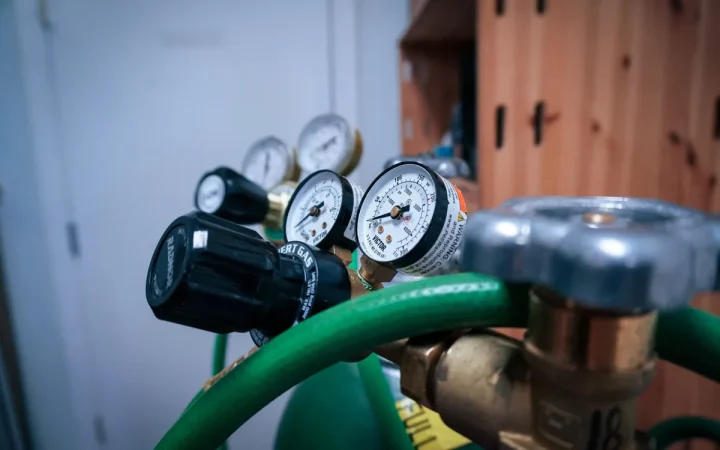
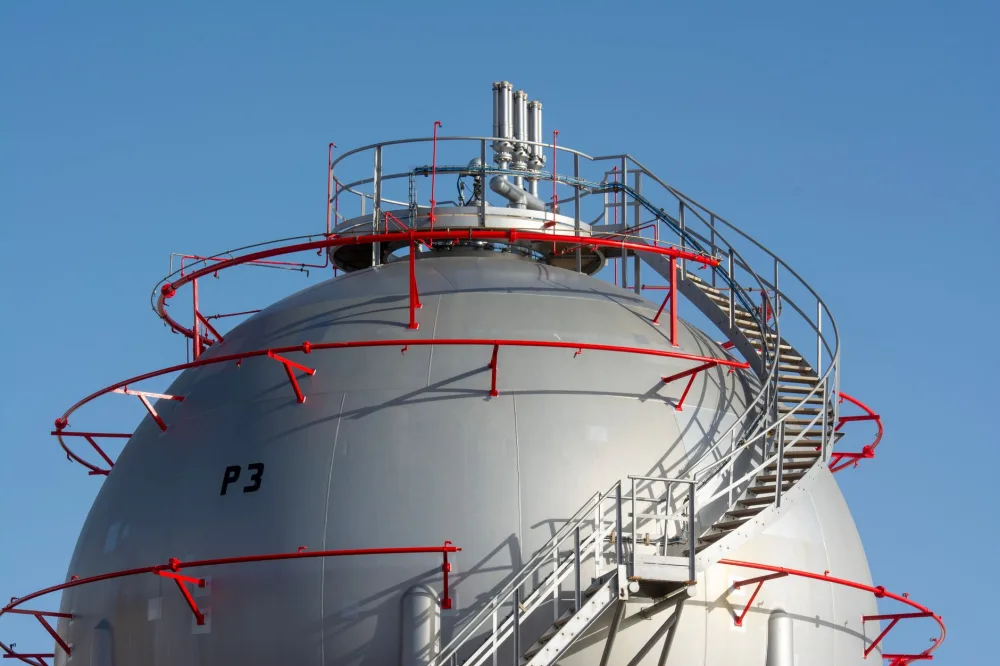
Propane is where I steer most families, and it’s not close. The fuel doesn’t degrade. A tank you fill this summer will start your generator four winters from now without a single additive or worry.
It burns clean, so the engine internals stay healthier and you skip the stale-fuel headaches entirely. On a job last winter, a couple ran their propane standby for five straight days off a 500-gallon tank during an ice storm and never touched it except to check the gauge.
The tradeoff you should know
Propane carries less energy per gallon than gasoline, so you burn more of it for the same output, usually 10 to 15 percent more fuel to make the same kilowatt. A typical whole-home unit might sip 2 to 3 gallons an hour under load. If you want the real math on tank sizing, we broke it down in how much propane a generator actually uses.
Cost runs around $2.50 to $4.00 a gallon depending on your region and delivery. It’s not the cheapest way to make a kilowatt, but the peace of mind is real. For the full rundown, see our piece on the pros and cons of propane generators.
If you’re already getting propane delivered for heat or a range, adding a generator to that same tank is one of the smoothest upgrades I install. One fuel, one delivery, one thing to monitor.
Natural gas: set it and forget it, until the main goes down
If your house already has a natural gas line, a standby unit tied into it is about as hands-off as backup power gets. No tanks, no refueling, no shelf life. The generator pulls fuel straight from the utility and runs as long as the load calls for it.
Runtime is effectively unlimited, which is genuinely great during a multi-day outage. Fuel cost per kilowatt tends to be the lowest of the four for most homeowners.
The weakness is control. You don’t own the supply. In an earthquake, a major storm, or a utility problem, gas pressure can drop or the main can be shut off, and then your “unlimited” generator has nothing to burn. That’s the exact scenario that makes some folks keep a propane backup on hand too.
Diesel: built for big loads, overkill for most
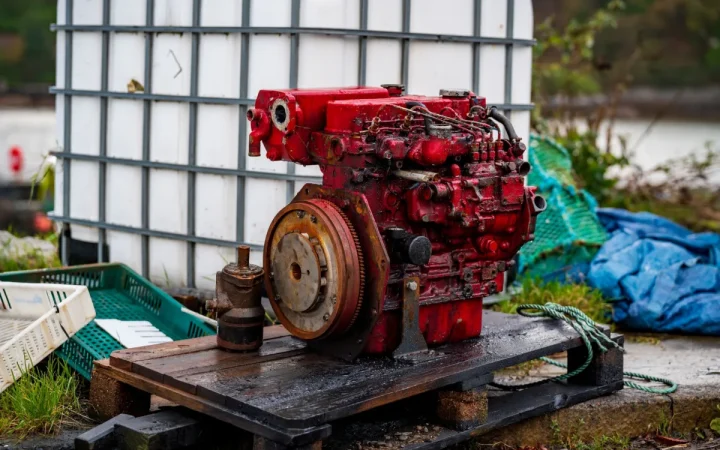
Diesel is the workhorse. It’s the most efficient of the bunch, the engines last longest, and for large properties, farms, or well pumps pulling serious amperage, nothing else quite matches it.
For a normal 2,000-square-foot home, though, diesel is usually more machine than you need. The units cost more upfront, they’re heavier, and diesel fuel needs treatment and periodic turnover, roughly every 6 to 12 months, or it grows algae and gels in the cold.
Where diesel shines is sustained heavy demand. If you’re running a workshop with welders and compressors, it earns its keep. If you’re keeping a fridge and furnace alive, it’s a lot of iron to maintain. Our look at diesel generators for home backup covers who actually benefits.
How to pick the right fuel for your house
Forget the spec sheets for a second. The fuel that’s best is the one that matches your outages, your storage space, and your appetite for maintenance. Run through this before you buy.
- How long do your outages actually last? Hours point to gasoline; days point to propane or natural gas.
- Do you already have a gas line or a propane tank on the property? Use what’s there.
- How much fuel can you safely store, and are you disciplined about rotating it?
- Will you commit to maintenance, or do you want a fuel that forgives neglect? (Propane forgives the most.)
- What’s your total wattage? Big continuous loads lean diesel; a whole house leans standby propane or natural gas.
Whatever you land on, the fuel choice doesn’t excuse you from upkeep. Every one of these engines needs oil, filters, and an occasional test run. Our complete generator maintenance checklist keeps a unit ready for the night you actually need it.
My honest recommendation, and your next move
For most homeowners I meet, propane or natural gas is the answer, propane if you want to own your supply, natural gas if you have the line and trust it. Gasoline is a solid budget entry for short, occasional outages. Diesel is for the folks who already know they need it.
So take fifteen minutes this week and do two things: total up the wattage you truly need during an outage, and figure out what fuel you can already store or pipe in. Match those two answers and the right generator fuel picks itself. For sizing help before you spend a dime, start with the portable guide linked above and the Department of Energy’s outage preparedness advice.