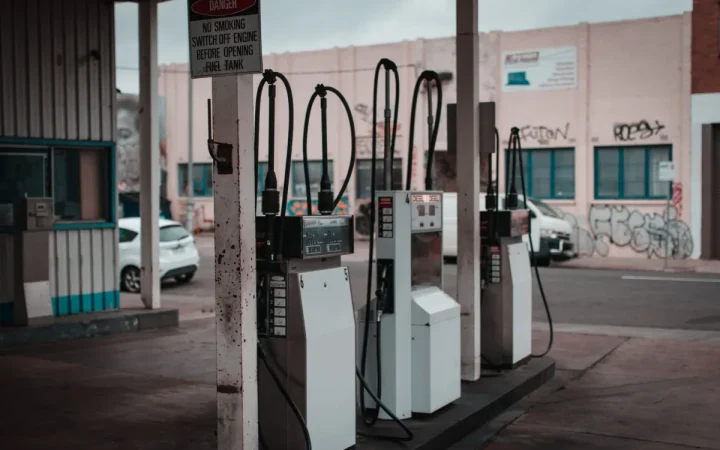

Short answer, because that’s probably why you’re here: yes, a natural gas generator will run during a power outage. Most of the time. The gas keeps flowing from the utility even when the grid goes dark, which is exactly why so many of my customers picked one in the first place.
But “most of the time” is doing some heavy lifting in that sentence, and I want to be straight with you about it. I spent twelve years wiring and servicing these things, and I’ve seen homeowners who slept soundly through a five-day ice storm next to neighbors whose brand-new generator sat there silent because of one detail nobody warned them about.
Let me walk you through when these units come through for you, when they don’t, and what actually decides the difference.
Key takeaways
- A natural gas generator draws fuel from the utility line, so it usually keeps running through an outage with no refueling.
- The main failure point is low gas pressure or a rare utility gas shutoff, not the generator itself.
- Correct sizing and a proper transfer switch matter more than the sticker wattage.
- Standby units start automatically; portables running on gas need a manual hookup and someone home.
How a natural gas generator during outage actually keeps running
Here’s the part that surprises beginners. Your electric grid and your natural gas system are two completely separate networks. When a tree takes out a power line, the gas underground doesn’t care one bit.
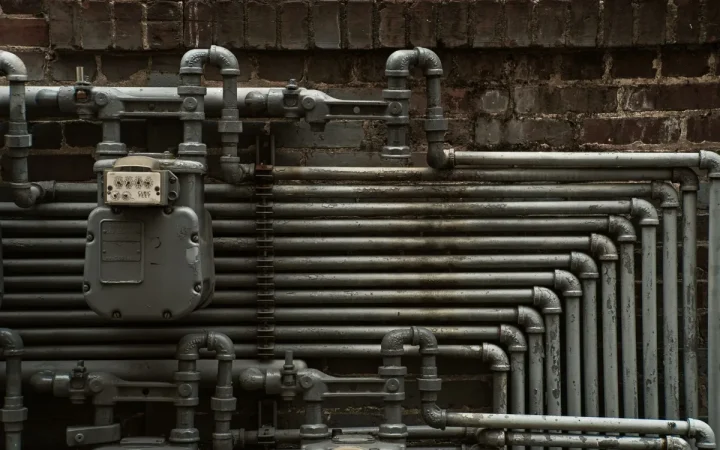
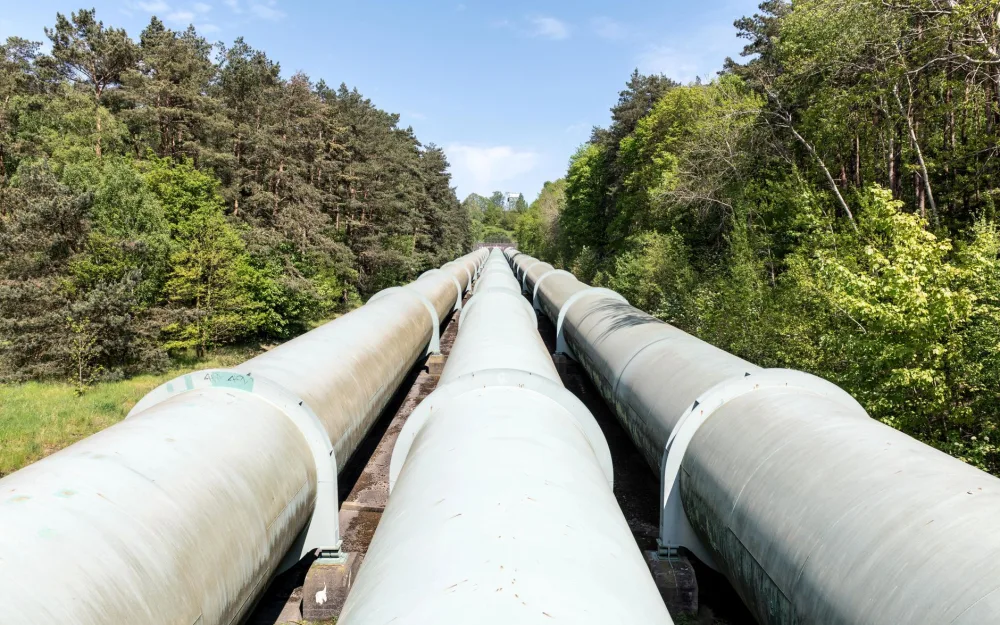
Natural gas moves through pipes under pressure supplied by the utility, and that pressure comes from the system itself, not from anything electric at your house. So when the lights go out, the gas is still sitting in the line at your meter, ready to go.
A standby natural gas generator senses the outage within seconds, opens its gas valve, cranks, and takes over your circuits through an automatic transfer switch. On a good install I’ve watched the whole handoff happen in about 10 to 15 seconds. The homeowner barely notices a flicker.
Because the fuel never runs out the way a gas tank does, you’re not standing in the driveway at 2 a.m. pouring gasoline in the cold. That’s the real appeal, and it’s a legitimate one. If you’re weighing your options across the board, this breakdown of generator fuel types compared lays out the trade-offs against propane and gasoline.
When the gas actually does stop
I won’t pretend it’s foolproof. There are a few situations where that steady fuel supply lets you down, and you deserve to know them before you spend five figures.
A utility gas shutoff
This is rare, but it happens. After a major earthquake, a gas main rupture, or a widespread emergency, the utility can shut down gas service to a whole area for safety. If they cut the gas, your generator has nothing to burn.
In roughly 15 years of watching this in the field, I’ve seen it exactly twice, both tied to serious events. For a run-of-the-mill storm outage, your gas keeps flowing.
Low pressure at the meter
This one bites people more often. A generator needs a minimum gas pressure and a high enough flow rate to run at full load. If your gas line is undersized, or too many appliances are pulling at once, the generator can starve and either surge or shut off.
Never let anyone size the gas line “close enough.” I’ve seen a 22 kW unit choke and stall on an outage night because the installer reused a half-inch line meant for a furnace. Insist on a load calculation and the correct pipe diameter in writing. A hungry generator that quits at 3 a.m. in January is worse than useless.
Freezing components
Natural gas itself doesn’t freeze at normal winter temps, but regulators and condensate can. In a hard cold snap, moisture in the line or at the regulator can ice up and interrupt flow. It’s uncommon, but if you live somewhere brutal, it’s worth reading up on cold weather fuel tips for generators before your first deep freeze.
Standby versus a portable on gas
Not every “natural gas generator” is the automatic kind bolted to a concrete pad. Some homeowners buy a portable that accepts a natural gas conversion. They behave very differently in an outage.
| Feature | Standby (natural gas) | Portable on natural gas |
|---|---|---|
| Starts automatically | Yes, within seconds | No, manual start |
| Someone must be home | No | Yes |
| Typical output | 10 to 26 kW | 3 to 8 kW |
| Powers whole home | Often, if sized right | A few circuits |
| Rough installed cost | $5,000 to $15,000 | $700 to $2,000 |
If you travel, or you just don’t want to babysit a machine during a storm, the standby wins hands down. If you’re on a budget and mostly want to keep the fridge and a few lights alive, a portable can bridge the gap. New to all this? The beginner guide to portable generators for home backup is a gentle starting point.
Sizing: the number that actually keeps you comfortable
Wattage is where I see the most heartbreak. Somebody buys a generator off the shelf, has it wired in, and then trips it offline the first time the AC and the well pump kick on together.
A typical 3,000 square foot home with central air, a well pump, and a couple of refrigerators usually lands somewhere around 18 to 22 kW for whole-home coverage. Trim that to essentials only and you might get by on 10 to 14 kW. The exact figure depends on your biggest starting loads, not just the running total.
Natural gas produces a hair less power than gasoline for the same engine, usually a few percent, so a unit rated 22 kW on propane might deliver closer to 19 or 20 kW on natural gas. Don’t ignore that gap when you’re cutting it close. This fuel consumption chart by size helps you match burn rate to output before you commit.
Write down every large motor in your house: AC compressor, well pump, sump pump, furnace blower. Those starting surges, not your light bulbs, decide what size generator you need. A 240V well pump can spike to three times its running watts for a half second at startup.
What to check before you count on it
A generator that sits untested is a generator that fails when you need it. I’ve pulled the cover off units that hadn’t run in three years and found mud dauber nests packed into the intake. Run through this before storm season:
- Confirm the unit runs its weekly self-test and actually starts.
- Verify the gas line size matches the manufacturer’s spec sheet.
- Check the automatic transfer switch trips and transfers under load.
- Clear leaves, snow, and nests away from the intake and exhaust.
- Change the oil and air filter on the maintenance schedule.
- Make sure exhaust points away from windows, doors, and vents.
That last one isn’t optional. Generator exhaust carries carbon monoxide, and the CPSC ties dozens of deaths a year to generators placed too close to living spaces. Keep any unit’s exhaust well clear of the house and never run a portable indoors or in a garage. The CPSC portable generator safety center spells out the clearances plainly.
For a deeper routine, keep this complete generator maintenance checklist taped inside your garage door. And if you ever converted a unit to run on cheaper pump gas at some point, know the risks in ethanol gas and generator problems, because gummed-up carburetors don’t announce themselves until you’re mid-outage.
Your next move before the next storm
If you already own a natural gas standby unit, go start it manually this week and watch it transfer. Ten minutes now beats a cold, dark surprise later. If you’re still shopping, get two things in writing from any installer: a load calculation for your actual house and the correct gas line size to feed the unit at full output.
Do that, and a natural gas generator will do exactly what you hoped, hum along quietly while the neighborhood sits dark. For sizing standards and safe setup, the U.S. Department of Energy’s guidance on power outage preparedness is a solid, plain-language reference. Get the install right, keep up the maintenance, and the fuel question mostly takes care of itself.