




Appliance Wattage Chart for Generator Sizing
Use this appliance wattage chart to size your generator right. Real running and starting watts for fridges, furnaces, well pumps, and more, from an electrician.

Practical generator fuel cold weather advice from a former electrician: fuel choice, propane vapor loss, diesel gelling, and simple habits that keep power on.

A whole-house standby generator sits quietly beside your home and takes over within seconds of a…
20 guides →
Not every home needs a permanently wired system. A good portable generator can keep the fridge…
20 guides →
Buying too small leaves you in the dark; buying too big wastes thousands of dollars and…
20 guides →
A transfer switch is the safety device that connects a generator to your home without electrocuting…
20 guides →
Every backup generator runs on something, and the fuel you choose shapes cost, runtime, and how…
20 guides →
A generator you never service is a generator that fails on the one night it matters.…
19 guides →
Use this appliance wattage chart to size your generator right. Real running and starting watts for fridges, furnaces, well pumps, and more, from an electrician.
Generator setback requirements explained: how far a standby generator must sit from windows, doors, and property lines, plus placement tips to pass…
The most common generator maintenance mistakes homeowners make, from stale fuel to skipped oil changes, and how to avoid a dead unit…
Learn the real generator running cost per hour by fuel type, load, and size, with tables and field-tested numbers to help you…
A practical transfer switch testing and maintenance routine for homeowners: what to check, how often, and the warning signs that mean you…
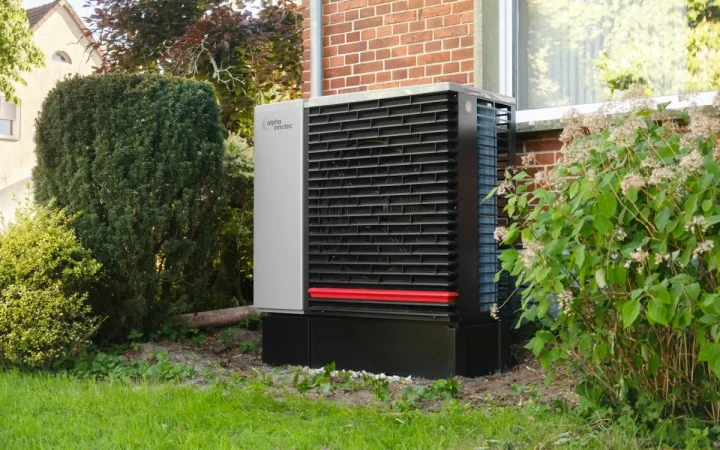
Sizing a generator for a heat pump and EV charger takes planning. Learn the real watt numbers, load-management tricks, and what capacity…
A cheap vs expensive generator comparison from a former electrician: real watt, dollar, and runtime figures to help you pick the right…
Every guide is written from scratch by our own editor, no rewritten press releases or spun content.
Twelve years of real installs behind the advice, from sizing worksheets to transfer-switch wiring.
We cross-reference the NEC and manufacturer specs, and we correct anything readers flag.
A standby generator is permanently installed, wired into your home, and starts automatically within seconds of an outage using natural gas or propane. A portable generator is a movable unit you start by hand and connect with cords or an interlock; it costs far less but needs refueling and manual setup.
It depends on what you want to keep running. Powering a fridge, a few lights, and phone charging might need only 3,000–5,000 watts, while running central air, a well pump, and electric appliances can push you toward a 20,000-watt whole-house unit. Our sizing guides walk through the exact math.
For anything wired into your home, a standby unit, an automatic transfer switch, or an interlock kit, yes. It’s about safety and code compliance, and most areas require a permit and inspection. A portable used only with outdoor-rated cords is the one setup you can handle yourself.
Natural gas offers unlimited runtime if you have a line, propane stores for years and burns clean, and diesel is efficient for larger loads. The right pick depends on what’s already at your property and how long outages tend to last where you live.
Plan on an oil and filter change roughly once a year or every 100–200 run hours, a battery check each season, and letting the unit run its weekly self-test. A little upkeep is what makes it start reliably on the night you actually need it.