Most homeowners never think about the exercise cycle until they see the generator kick on by itself one Sunday morning and wonder if something’s wrong. Nothing’s wrong. That’s the machine running its scheduled self-test, and it’s been doing it since the day it was commissioned.
I spent twelve years wiring and servicing these units before I started writing, and the question I got asked most often on service calls wasn’t about noise or code compliance. It was money. “Marcus, what’s this thing costing me just to sit there?” Fair question, and one nobody gives a straight answer to.
So let’s put real numbers on it. The generator weekly test cost is almost always lower than people fear, but it isn’t zero, and a couple of choices you make can double it without you noticing.
Key takeaways
- A typical 20 kW home standby unit costs roughly $30 to $90 a year in fuel to exercise, depending on fuel type and cycle length.
- The bigger hidden cost isn’t fuel, it’s the oil, batteries, and wear that regular running accelerates.
- Shortening your cycle from 20 minutes to 12 and running it at no-load can cut fuel use by a third or more.
What the exercise cycle actually does
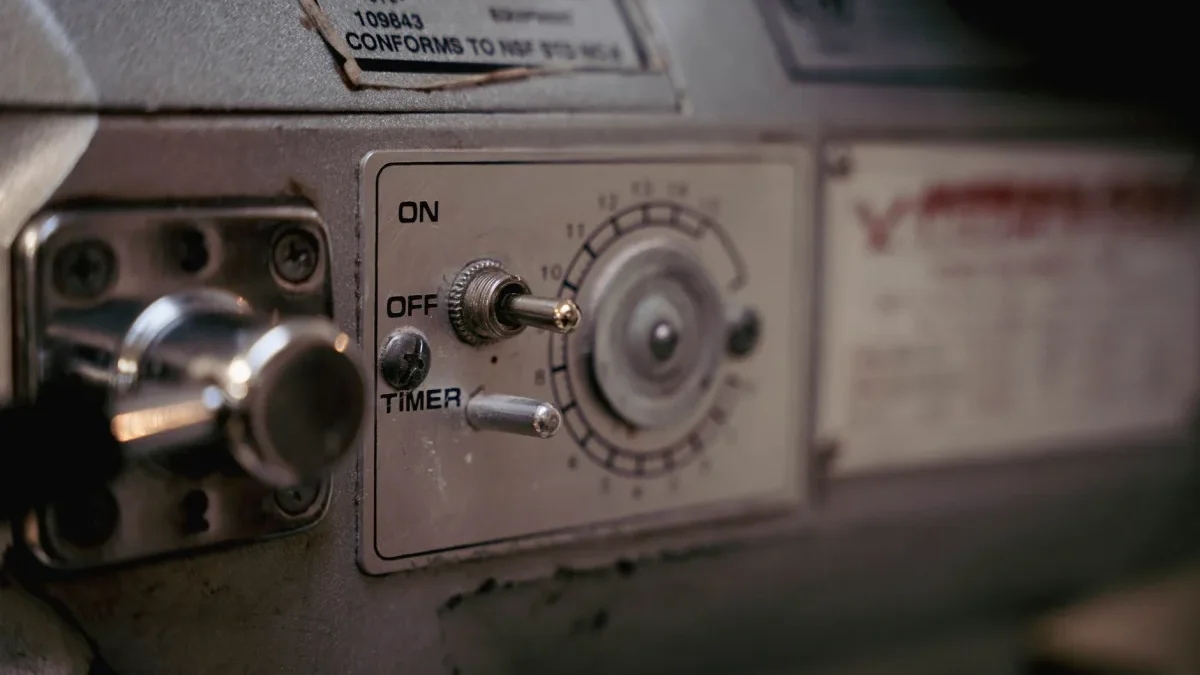
Your standby generator fires up on a timer, usually once a week, and runs for somewhere between 5 and 20 minutes. During that window it circulates oil, warms the engine, charges its own battery, and burns off any moisture or fuel varnish that’s been sitting in the system.
Skip it and you’re asking for a no-start on the one night you need power. I’ve pulled up to more than one dead unit after an outage where the owner had disabled the exerciser to “save gas.” They saved maybe forty bucks a year and bought themselves a $600 service call.
If you’re fuzzy on how long and how often yours should run, our breakdown of how often you should exercise a standby generator walks through the timing by brand and climate.
The fuel math, unit by unit
Fuel is the cost people fixate on, and it’s the easiest to pin down. A generator at no-load, meaning it’s just idling under its own weight, not powering your house, burns far less than its nameplate rating suggests.
Here’s what I see in the field for common home sizes running a weekly 15-minute no-load cycle over a full year.
| Generator size | Fuel type | Per exercise | Annual fuel cost |
|---|---|---|---|
| 10 kW | Natural gas | ~15 cu ft | $20–$35 |
| 20 kW | Natural gas | ~28 cu ft | $35–$60 |
| 20 kW | Propane (LP) | ~0.3 gal | $55–$90 |
| 22 kW | Propane (LP) | ~0.35 gal | $70–$110 |
Natural gas wins on running cost almost every time because you’re paying utility rates instead of buying tanks of propane. That gap is exactly why fuel choice matters up front, our comparison of generator fuel types gets into the tradeoffs beyond just the exercise bill.
A quick note on those numbers: they’re for no-load exercise. If your unit is set to run a load test, where it actually transfers your house over and works the engine, fuel use jumps by two to four times. Most residential exercisers don’t do that, but some newer models offer it, and it’s worth knowing which mode yours is in.
Why propane owners pay more to idle
Propane carries less energy per unit and you’re buying it retail, often at $3 to $4 a gallon delivered. A 20 kW unit sipping a third of a gallon every week adds up to around 15 gallons a year just sitting in the yard. That’s not a disaster, but it’s real, and it’s why I tell propane customers to keep their cycle tight.
The cost nobody puts on the invoice
Fuel is the number people ask about. It’s not the number that matters most.
Every hour that engine runs, and a weekly cycle adds up to roughly 13 hours a year, it’s counting down toward its next oil change and wearing components that don’t care whether you were powering the house or just idling in the driveway.
Oil and filters
Manufacturers spec oil changes by run hours or by calendar, whichever comes first, usually every 100 to 200 hours or once a year. Weekly exercise alone won’t blow past the hour limit, but it does mean the calendar interval always applies. Figure $40 to $80 a year in oil and a filter if you do it yourself, more if a tech does it. If you’ve never done one, our walkthrough on changing the oil in a standby generator makes it a 30-minute job.
The battery is the quiet budget line
Here’s the one that surprises people. The starting battery does its hardest work every single time the unit exercises, and cold cranking week after week wears it down. Most home standby batteries last three to five years and run $40 to $120 to replace.
Spread that over its life and you’re looking at maybe $15 to $30 a year attributable to all that starting. It’s not huge, but it’s the part most likely to strand you during an outage. Staying ahead of it is worth the reminder in our guide to generator battery maintenance and replacement.
Never disable your exercise cycle to save money, and never run any generator inside a garage or enclosed space “just to test it.” Carbon monoxide from a running engine can kill in minutes. The CPSC has documented hundreds of generator-related CO deaths, and nearly all of them trace back to running the unit too close to living space.
Adding it all up for a real house
Let’s put a whole year on one example. Take a 20 kW natural gas unit, the most common size I install, running a standard weekly cycle.
- Fuel: about $45 a year
- Oil and filter (annual change): about $60
- Battery, spread over 4 years: about $20 a year
- Spark plugs and minor wear items, amortized: about $15 a year
That lands you around $140 a year to keep a standby generator exercised and ready. On propane, bump that closer to $170 or $180 because of the fuel. Either way, we’re talking about the price of a couple of dinners out to keep a $5,000 machine from failing when the grid does.
Check your exercise settings in the controller menu. If yours is set to a 20-minute weekly cycle, trimming it to 12 minutes still fully circulates oil and charges the battery, and it shaves roughly a third off your annual fuel burn. That’s a free adjustment most owners never touch.
Trimming the bill without cutting corners
You don’t have to choose between a healthy generator and a lower cost. A mistake I see all the time is homeowners going to extremes, either disabling the cycle entirely or letting it run long “to be safe.” Both are wrong.
Keep the cycle at 10 to 15 minutes, weekly, at no-load unless your manufacturer specifically calls for a load test. Do your own oil changes. Watch the battery date. And confirm your transfer switch is actually cycling the exercise correctly, a stuck or miswired switch can quietly cost you fuel and wear, which is one reason our overview of how transfer switches work is worth a read.
The U.S. Department of Energy also publishes solid guidance on backup power efficiency and sizing at energy.gov if you want to sanity-check your setup against something official.
Your next move this weekend
Walk out to the unit, open the controller, and note two things: what day and time it exercises, and how long the cycle runs. That two-minute check tells you most of what you need to know about your real yearly cost.
If the cycle’s longer than 15 minutes or you can’t remember the last time the battery was swapped, you’ve found your easy wins. Pair that with the full run-through in our complete generator maintenance checklist and you’ll have this dialed in before the next storm season. A generator that costs $140 a year to keep ready is the cheapest insurance in your whole house.