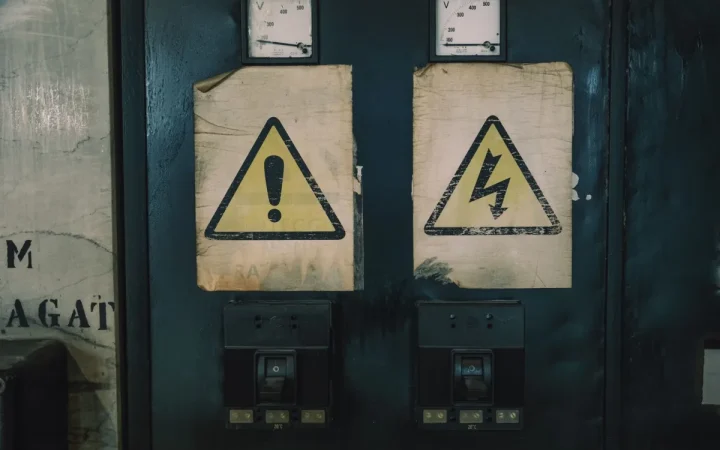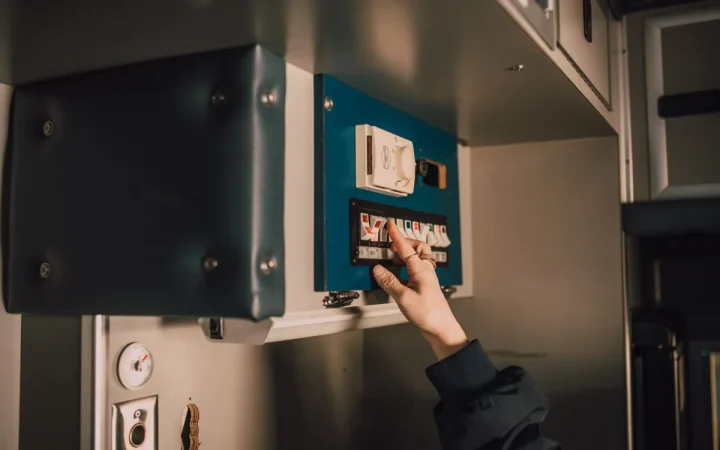
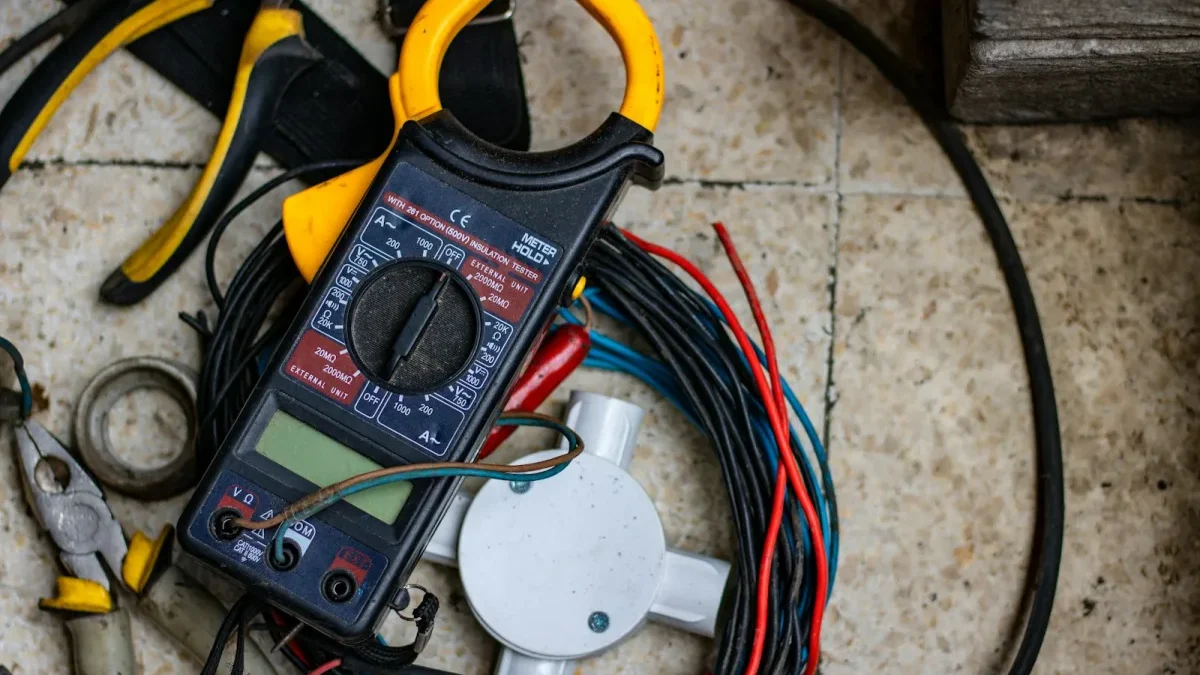
Most people think about their generator and forget the box bolted next to the panel. That box, the transfer switch, is what actually decides where your house pulls power from, and it’s the piece I get called out to fix more than any single generator part.
Here’s the uncomfortable truth from twelve years of doing this: a transfer switch can sit on your wall looking perfectly healthy and still fail the moment you need it. Contacts corrode. Springs weaken. A mouse builds a nest in the enclosure. None of that shows up until the power drops and you’re standing in the dark wondering why the generator is running but nothing in the house has lights.
Good news is that keeping one healthy takes maybe twenty minutes a month and a little attention twice a year. Let me walk you through what I actually do on a service call, so you can do most of it yourself.
Key takeaways
- Run a full transfer switch test at least once a month under real load, not just a button press.
- Manual switches need less babysitting than automatic ones, but both need clean contacts and tight lugs.
- Most failures I see trace back to loose connections, corrosion, or a switch that never got exercised.
- Anything involving opening the enclosure and touching live terminals is a job for a licensed electrician.
What transfer switch testing actually means
People hear “test” and picture pressing a button and watching a light blink. That’s a self-test, and it’s useful, but it only proves the control board woke up. It doesn’t prove the switch can carry your fridge, furnace blower, and well pump at the same time.
Real transfer switch testing means putting the switch through a full power transfer with load on it, then watching how it behaves. Does it move over cleanly? Does anything hum, buzz, or hesitate? Does the generator settle in under ten seconds or does it lug and struggle?
If you’re still deciding what kind of switch fits your setup, it’s worth reading up on how the different types work in our complete guide to transfer switches before you get too deep into a maintenance routine.
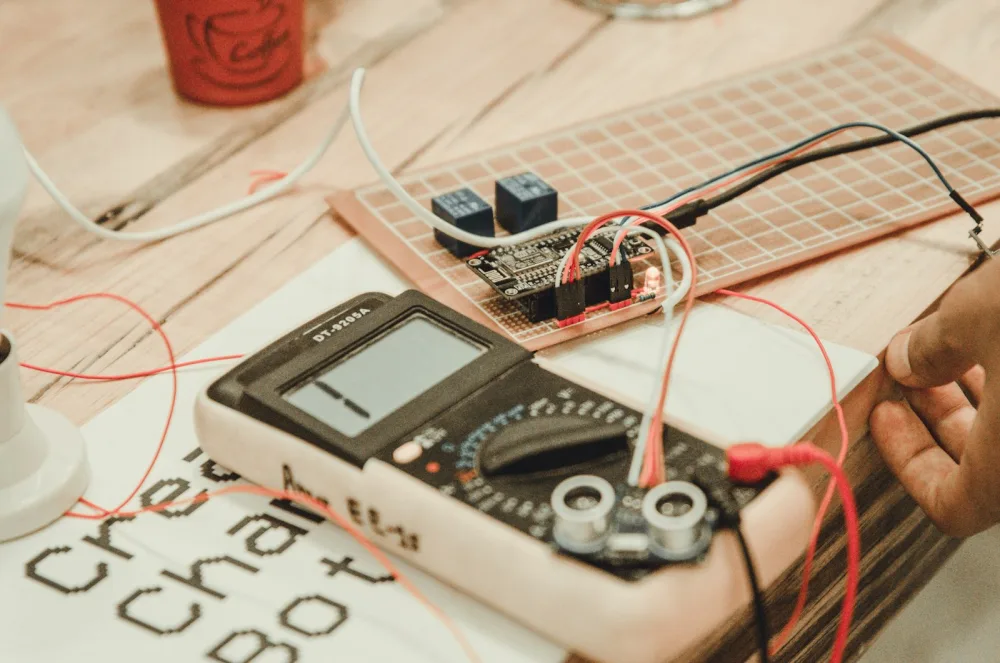
Your monthly test run, step by step
I tell every homeowner to pick a day, put it on the calendar, and treat it like changing a smoke detector battery. The first Saturday of the month works fine.
For a manual transfer switch
Start the generator and let it warm up for about a minute. Then flip your switch circuits over to generator, one at a time if it’s a circuit switch, and watch each load come alive.
Let it run under load for ten to fifteen minutes. That’s long enough to heat up any weak connection so you can find it. Then switch everything back to utility and shut the generator down.
Never backfeed your panel with a suicide cord or a double-male extension cord. It can kill a lineman working on your street and it violates code everywhere in the country. If you don’t have a proper switch yet, a generator interlock kit is the safe budget path.
For an automatic transfer switch
Automatic switches usually have a self-test exercise cycle you can set, often weekly for a few minutes. Keep that on, but don’t let it replace a real test.
Once a month, kill the utility power to the switch (most units have a test toggle or you can pull the main under the right conditions) and confirm the switch senses the outage, starts the generator, and transfers within its rated time, usually 10 to 30 seconds. Then restore utility and confirm it transfers back and lets the generator cool down before stopping.
The twice-a-year hands-on inspection
Twice a year, spring and fall, I do a closer look. Some of this you can handle; some you shouldn’t, and I’ll be clear about which is which.
With the generator off and both utility and generator power confirmed dead at the switch, an electrician will open the enclosure and check the guts. This is not a poke-around-while-it’s-live job. There’s line voltage on those lugs.
- Torque every lug and terminal to the manufacturer’s spec, since heat cycling loosens them over time.
- Look for discoloration or pitting on the contacts, which points to arcing.
- Check for corrosion, green crust on copper, or any sign of moisture getting in.
- Clear out dust, cobwebs, insect nests, and the occasional dead mouse.
- Confirm the enclosure gasket still seals and the door latches tight.
- Verify the neutral bonding is correct, which is a common miswire on DIY jobs.
A cheap infrared thermometer, about $25, lets you scan the switch under load without opening anything. A lug running 30 degrees hotter than its neighbors is telling you it’s loose. That one trick has caught more problems for my customers than any other.
Manual versus automatic: what each one demands
The type of switch you own changes how much attention it needs. Automatic units have more parts to fail, so they earn more scrutiny. Manual units are simpler but rely on you actually flipping them, which means the real risk is neglect.
| Task | Manual switch | Automatic switch |
|---|---|---|
| Full load test | Monthly | Monthly |
| Self-exercise cycle | Not applicable | Weekly, 5-15 min |
| Lug torque check | Twice a year | Twice a year |
| Control board check | None | Annually |
| Typical service cost | $0 DIY | $120-$250/yr |
If you’re weighing the two, or trying to decide how much of your house to cover, our breakdown of a whole-house versus circuit transfer switch lays out the tradeoffs in plain terms.
Warning signs that mean stop and call someone
A mistake I see all the time is a homeowner hearing a buzz and deciding it’s “probably fine.” It usually isn’t. A steady electrical buzz from a switch under load often means a contact isn’t fully closing, and a partly closed contact runs hot.
On a job last winter, a customer in an older farmhouse had ignored a faint burning smell for two weeks. By the time I opened the box, one lug had heated enough to char the insulation and darken the copper. Another month and that could have been a panel fire.
Call a pro if you notice any of these: a burning or hot-plastic smell, visible scorch marks, a switch that hesitates or chatters when transferring, breakers tripping only on generator power, or transfer times that keep getting longer. The National Fire Protection Association publishes the electrical codes your installer follows, and their guidance on standby systems is worth a read if you want the technical background.
Keep it on the calendar and it’ll keep the lights on
A transfer switch is one of the most reliable things in your electrical system right up until it isn’t, and the difference is almost always maintenance. Twenty minutes a month and one good inspection each season is the whole deal.
Your next step is simple: go pick a monthly date right now, write it down, and run your first real load test this weekend. While you’re at it, fold your generator into the same routine using our generator maintenance checklist, and if you’re still shopping, make sure the unit is sized right with our guide on how to size a generator for your home. Ready.gov also keeps a solid, plain-English page on preparing for power outages that’s worth bookmarking.