Two years ago I ran a service call for a couple in a 1990s colonial who’d just spent eleven grand on a whole-house standby unit. Nice install. The problem was they bought it the same month they signed a contract for a cold-climate heat pump and a Level 2 EV charger. Nobody told the salesman. Nobody told me until the panel was already full.
That generator was correctly sized for the house they had. It was undersized for the house they were about to have. And swapping a standby unit after the fact is not a cheap Saturday project.
If you’re buying backup power now and you know electrification is coming, you want to plan for the home you’ll own in five years, not the one you have today. Sizing a generator for a heat pump is a different math problem than sizing for a furnace and a window AC, and an EV charger only makes it bigger.
Key takeaways
- A cold-climate heat pump can pull 7,000 to 15,000 running watts, several times more than a gas furnace’s blower.
- A Level 2 EV charger adds 7,200 to 11,500 watts on its own, but it’s the easiest big load to pause during an outage.
- Load management (soft starters, smart panels, EVSE that throttles) often lets a smaller generator run a bigger house.
- Buy for the loads you’ll add within five years; upsizing a standby unit later usually means new gas and wiring work.
Why heat pumps and EVs change the whole calculation
A gas furnace barely sips electricity. The blower motor draws maybe 600 to 800 watts, and your old generator sizing was really built around the well pump, the fridge, and the central AC compressor.
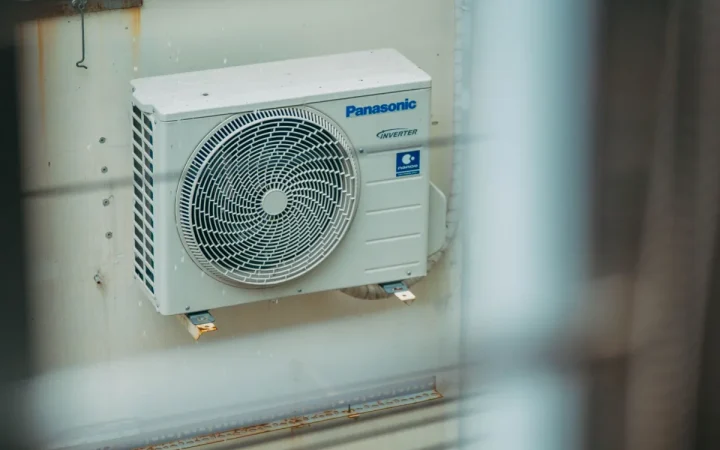
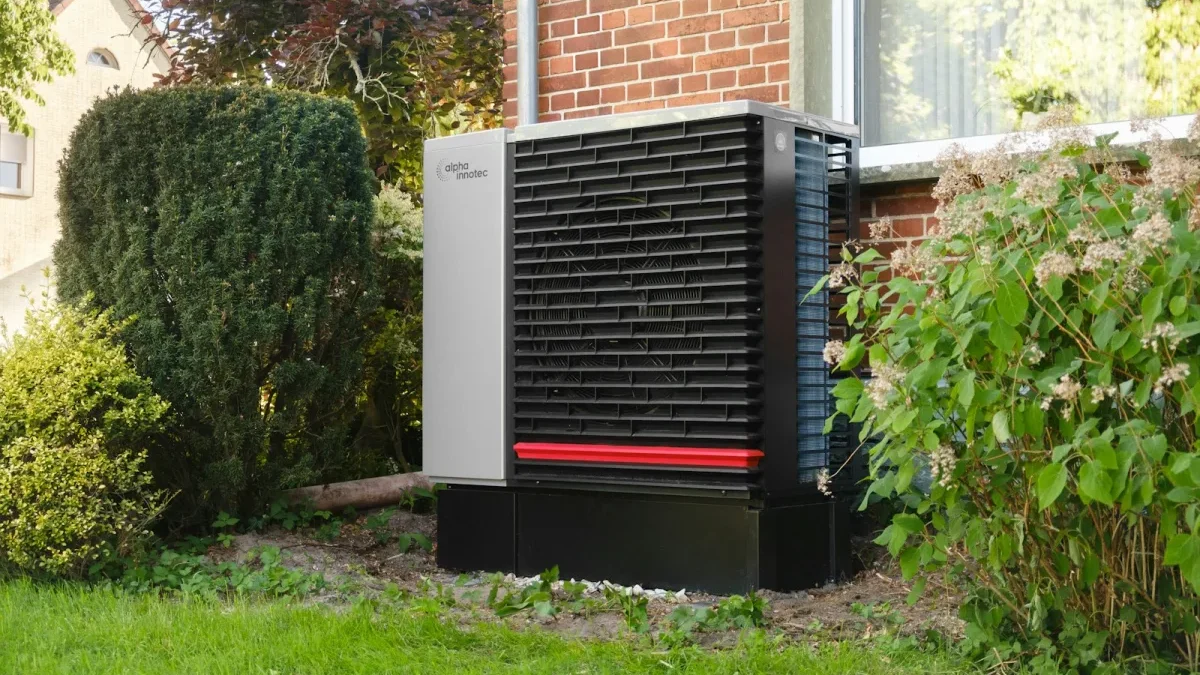
A heat pump flips that. Now heating is an electrical load, and in January it’s your single biggest one. A ducted cold-climate system in heating mode commonly runs 3,000 to 6,000 watts, and when the outdoor temperature drops and the backup electric resistance strips kick in, you can see 10,000 to 15,000 watts on a larger home.
Add a car that wants 7,200 to 11,500 watts to charge, and you’ve stacked two loads that a decade ago simply didn’t exist in most houses.
The numbers I actually see in the field
Every install is different, but here’s a realistic starting table for planning. Confirm your own equipment’s nameplate before you buy anything.
| Load | Running watts | Surge / peak watts |
|---|---|---|
| Cold-climate heat pump (3-ton, compressor only) | 3,500–6,000 | 9,000–12,000 |
| Heat pump with resistance backup engaged | 10,000–15,000 | 15,000+ |
| Level 2 EV charger (40A circuit) | 9,600 | 9,600 |
| Refrigerator | 150–800 | 1,200 |
| Well pump (1 HP) | 1,000–2,000 | 4,000–5,000 |
| Lights, outlets, TV, internet | 800–1,500 | — |
Look at those surge numbers. That heat pump compressor slamming on can momentarily double its draw, and that’s the spike that stalls an undersized generator. If you want the full walkthrough of how those figures roll up, our guide on how to size a generator for your home lays out the method step by step.
Don’t just add everything up
The mistake I see all the time is people totaling every nameplate on the panel and buying a monster generator to cover it. You don’t run the EV charger, the heat pump on resistance heat, the dryer, and the oven all at the same second during an outage. Most people won’t even try.
What matters is your realistic peak simultaneous load during a power failure, plus the largest single surge on top of it.
On that colonial job, once we sat down and looked at it honestly, the family’s true outage peak was the heat pump plus fridge plus a few lights, around 8,500 watts running with a compressor surge. The car could wait. That’s a very different number than the 28,000 watts you’d get by adding up every breaker.
Charge your EV before a storm hits, the same way you’d top off the gas tank. A car sitting at 80% can skip charging for days, which takes the single biggest flexible load completely off your generator during the outage.
Load management is cheaper than a bigger engine
This is where you save real money. Instead of buying capacity to cover every load at once, you buy devices that keep those loads from all firing at once.
Soft starters
A soft starter on the heat pump compressor cuts that startup surge by 50 to 70 percent. On a 3-ton unit that can drop the peak from 11,000 watts to under 5,000, which sometimes lets a 14kW generator do the work of a 20kW. The part runs $300 to $500 installed. That’s the same logic we cover in sizing a generator for central air conditioning, since it’s the same compressor surge problem in reverse.
Smart load-shedding panels and switches
A smart transfer switch or managed load center watches your generator’s output and automatically drops non-essential circuits when demand climbs. The EV charger and dryer get paused; the heat pump and fridge stay on. If you’re fuzzy on how the generator ties into your panel in the first place, our breakdown of transfer switches and how they work is worth a read before you shop.
Smart EV chargers
Many Level 2 chargers can throttle their amperage or pause entirely on a signal. Set the car to charge at 16 amps instead of 40 during an outage and it draws 3,800 watts instead of 9,600, slow but steady.
Never run a generator, or the extra fuel to feed a bigger one, inside a garage or near windows. Carbon monoxide kills fast. The CPSC has documented the risk in detail at their carbon monoxide safety center, and standby units must be professionally installed outdoors with proper clearance.
How to pick a size you won’t outgrow
Run through this before you settle on a number. It only takes ten minutes with your equipment manuals.
- Pull the nameplate running and locked-rotor amps off your heat pump’s outdoor unit.
- Check whether the system has electric resistance backup, and how many kilowatts of strips.
- Note your EV charger’s circuit size (32A and 40A are most common).
- List your true must-run loads: fridge, well pump, furnace controls, medical devices.
- Add a soft starter to the plan and recalculate the surge downward.
- Decide whether the EV charges during outages at all, or gets shed.
- Add 20 percent headroom to your final running figure for future creep.
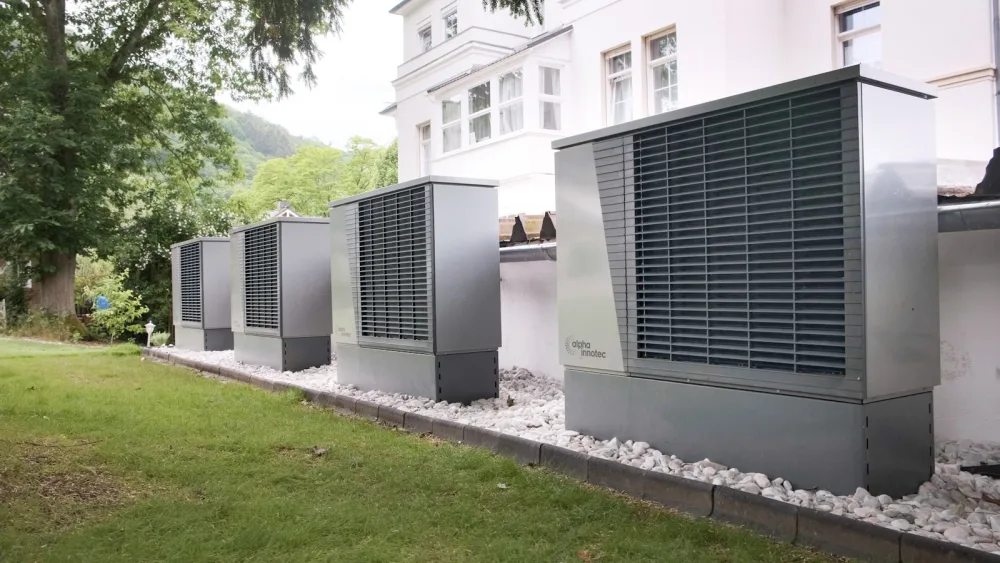
For most electrified single-family homes I work on now, the sweet spot lands at a 20 to 26kW air-cooled standby unit with load management, rather than the 14 to 18kW that would’ve been standard a decade ago. If you’d rather plug numbers into a tool, the generator sizing calculator walkthrough gets you a ballpark in a few minutes.
What buying too small actually costs you
Upsizing a standby generator later is not a swap-the-box job. You’re often looking at a bigger gas meter or a larger propane line, heavier gauge wire, a new pad, and sometimes a permit and inspection all over again. On that colonial, the do-over quote came to about $6,400 on top of the original eleven grand.
Buying one size up front, when the crew and the trench are already there, might have cost $1,800 more. That’s the whole argument for future-proofing in one sentence.
If you want to understand the full range of standby options and warranties before you commit real money, spend a few minutes with our complete guide to whole-house standby generators. And for federal guidance on sizing and safe operation, the U.S. Department of Energy keeps a solid primer on emergency generators.
Your move this week
Go outside and read the nameplate on your heat pump’s outdoor unit, then find the breaker size on your EV charger. Those two numbers, plus your fridge and pump, tell you eighty percent of what you need.
Take that to a licensed installer and ask specifically about a soft starter and load management, not just a bigger engine. A dealer who only wants to sell you more kilowatts is leaving the smarter, cheaper option on the table, and you’ll be the one paying for it.