
I’ve wired and serviced backup generators for a long time, and the question I get more than almost any other is which fuel to feed the thing. Folks assume it’s a technical debate. It’s usually not. It comes down to what’s already buried in your yard and how long you need the lights to stay on.
A natural gas vs propane generator decision is really a decision about supply. Natural gas arrives by pipe from the utility. Propane sits in a tank you own or lease. Same generator, in a lot of cases the exact same engine, just a different jet in the fuel mixer. But those two supply setups behave very differently when a storm rolls through.
So let’s walk it like I would on a site visit, kitchen coffee in hand.
Key takeaways
- Natural gas means no refueling and no tank, but you’re at the mercy of the utility line staying pressurized.
- Propane stores for years, works when the grid and gas main are both down, and gives you control over your supply.
- The same standby unit usually loses 8 to 12 percent of its output on natural gas compared to propane.
- If you already have a gas meter, natural gas is cheaper to run day to day. If you’re rural or want true independence, propane wins.
What actually separates a natural gas vs propane generator
Both fuels are clean-burning, both are easy on the engine, and both start reliably in an automatic standby unit. Where they part ways is delivery and storage.
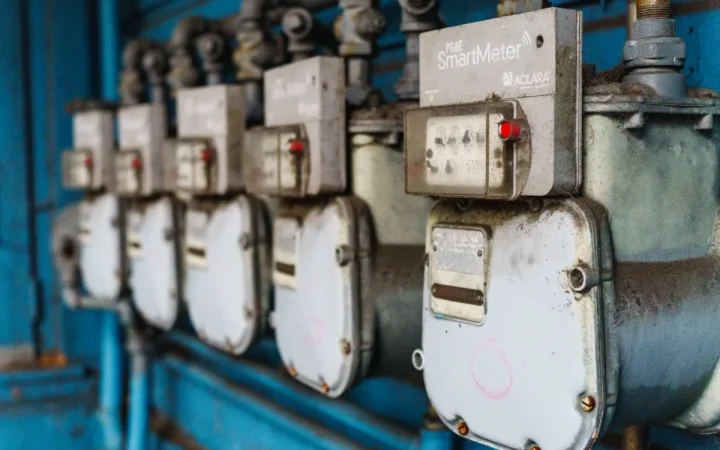
Natural gas (methane) comes to the house at low pressure through the same line that feeds your furnace and water heater. You never touch it. There’s no tank, no delivery truck, no gauge to read. As long as the utility keeps that line charged, you have unlimited runtime.
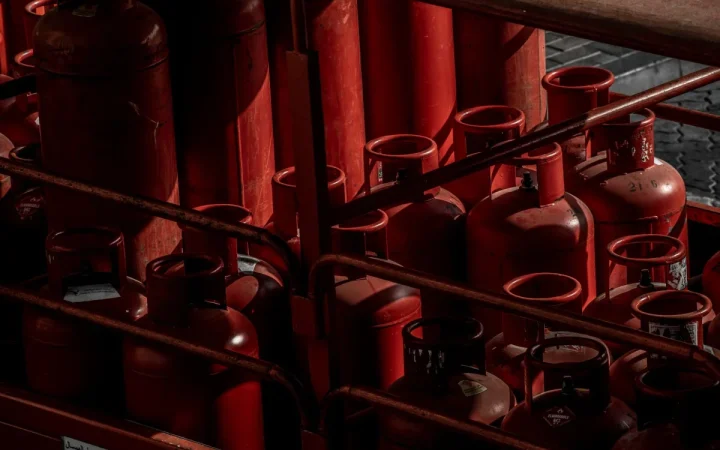
Propane is stored as a liquid under pressure in a tank on your property, anywhere from a 100-pound cylinder up to a 500 or 1,000-gallon buried tank. You buy it, it sits there, and it doesn’t spoil. A well-sized tank can carry a house through a week of outages without a single delivery. If you want the deeper trade-off list, I lay it out in our writeup on propane generators, pros and cons.
Power output isn’t identical
Here’s a detail salespeople gloss over. Propane packs more energy per cubic foot than natural gas, so the same engine makes a little more power on propane. On a typical air-cooled standby, I usually see a 22 kW unit rated around 19 to 20 kW on natural gas and the full 22 on propane.
For most homes that gap doesn’t matter. But if you’re sizing tight to run a well pump, a 5-ton AC, and an electric range at once, that 8 to 12 percent can be the difference between riding through and tripping the unit.
Cost, and where your money really goes
People fixate on price per unit and miss the bigger picture. Let me split it into two buckets: fuel cost and setup cost.
On running cost, natural gas almost always wins if you already have a meter. In most markets I work in, a full-load hour on natural gas runs roughly $1.50 to $2.50, while the same hour on propane lands closer to $3.00 to $5.00 depending on what you paid per gallon. Over a long outage that adds up.
Propane pricing swings with the season and your delivery volume. Buy 500 gallons in summer and you’ll pay a lot less per gallon than a 100-gallon top-off in a January cold snap. If you want to estimate your own burn rate, our piece on how much propane a generator uses has the math worked out.
Ask your installer to spec a dual-fuel-ready unit. Most standby models can be converted between natural gas and propane by swapping an orifice and moving a jumper. It costs almost nothing up front and keeps your options open if you switch fuels later.
Setup and hookup
Natural gas hookup is usually cheaper because the fuel source already exists. Your installer taps the existing line, though a bigger generator sometimes needs the meter or a section of pipe upsized to keep pressure up under load. On a job last winter, a 24 kW unit was starving because the run from the meter was undersized half-inch pipe. Bumping it to three-quarter inch fixed a problem the homeowner had blamed on the generator for a year.
Propane setup costs more day one. You’re buying or leasing a tank, paying for a pad or excavation, and running a line. A 500-gallon tank installed can run $1,500 to $3,000 before you even fill it.
How each fuel behaves when the grid goes down
This is the part that actually decides it for most people.
Natural gas has one real weakness: it depends on that utility line staying pressurized. Most of the time it does. But earthquakes, major floods, and some regional disasters can shut the gas main right when you need it. If the line drops, your generator is a lawn ornament.
Propane owes nothing to anyone. The fuel is already on your property. Grid down, gas main down, roads closed for three days, doesn’t matter. You run until the tank runs low. For rural homes and anyone in serious storm or earthquake country, that independence is the whole argument.
Propane is heavier than air and pools in low spots if it leaks. Never install a tank or run a generator in a basement, crawlspace, or pit. Keep the unit outdoors with proper clearance, and put a low-level propane detector near any indoor appliance. The CPSC carbon monoxide guidance is worth a read for anyone running any fuel-burning backup.
Cold weather
Propane has a catch in deep cold. Below roughly minus 20 to minus 30 Fahrenheit, liquid propane stops vaporizing well, and a small or nearly empty tank can lose pressure. A larger tank kept above a quarter full handles this fine because there’s more surface area to boil off vapor. Natural gas doesn’t care about the cold at all since it arrives as a gas already.
Quick side-by-side
| Factor | Natural Gas | Propane |
|---|---|---|
| Refueling | Never, piped in | Tank deliveries or refills |
| Runtime | Unlimited (while line holds) | Limited by tank size |
| Works if utilities fail | No, needs the gas main | Yes, fully independent |
| Running cost per hour | Lower ($1.50–$2.50) | Higher ($3.00–$5.00) |
| Power output | ~8–12% lower | Full rated output |
| Storage life | None needed | Years, doesn’t degrade |
| Best for | Homes with gas service | Rural, off-grid, storm-prone |
Which one fits your house
Run through this before you sign anything:
- Do you already have a gas meter and adequate line size? If yes, natural gas is the low-hassle, low-cost pick.
- Are you rural or without a gas connection at all? Propane, easily.
- Do you live where the gas main could go down in a disaster? Lean propane for the independence.
- Is your winter routinely below minus 20 Fahrenheit? Size the propane tank large or go natural gas.
- Want a quiet, low-maintenance standby unit either way? Both fuels qualify, so decide on supply first.
If you’re still weighing every option including diesel and gasoline, our overview of generator fuel types compared puts them all next to each other. And whichever fuel you land on, keeping the unit healthy matters more than the fuel itself, which is why I point every client to our generator maintenance checklist.
My honest recommendation before you buy
Nine times out of ten, if a home already has natural gas service and a properly sized line, I tell the owner to run natural gas. No tank to manage, cheaper hourly, and one less thing to think about at 2 a.m. during a storm.
But if you’re rural, off the gas grid, or you simply want fuel you control no matter what the utility does, propane is the right call and I’ll spec a tank big enough to matter.
Your next step is simple: call your gas utility and ask whether your meter and line can support a standby generator of the size you want. That one phone call settles the natural gas question before you spend a dime. For sizing and safety practices, the Ready.gov power outage guidance is a solid, plain-language reference to keep on hand.