I spent twelve years pulling wire and setting generators before I started writing, and diesel units were the ones I trusted to still crank on the coldest, ugliest job of the winter. There’s a reason hospitals and cell towers run them. They’re built like tractors, and they don’t much care if the power’s been out for two hours or two weeks.
That said, diesel isn’t the automatic right answer for every house. It shines in specific situations and gets fussy in others, and the fuel itself has a couple of quirks that catch new owners off guard.
So let’s talk through it like we’re standing in your driveway looking at the concrete pad, deciding whether this is the machine for you.
Key takeaways
- A diesel home generator sips less fuel per kilowatt-hour than gasoline and holds up under long, heavy loads.
- Diesel fuel goes bad in roughly 6 to 12 months unless you treat and rotate it, so storage is the real homework.
- Expect higher upfront cost but longer engine life, often 10,000 to 30,000 hours before a major overhaul.
- Cold-weather starting needs a block heater and winter-blend fuel, or you’ll be out there with a cold, sulking engine.
Why homeowners look at a diesel home generator
The pull toward diesel usually comes down to two things: fuel efficiency and durability. A diesel engine squeezes more work out of every gallon than a comparable gasoline unit, often 25 to 30 percent better, because diesel fuel packs more energy and the engines run at lower, less-frantic RPMs.
On a job last winter, a client with a 20 kW diesel standby ran his whole house through a four-day ice storm on about 40 gallons. A gasoline portable would have needed constant refueling and probably a trip to a gas station that had no power to run its pumps.
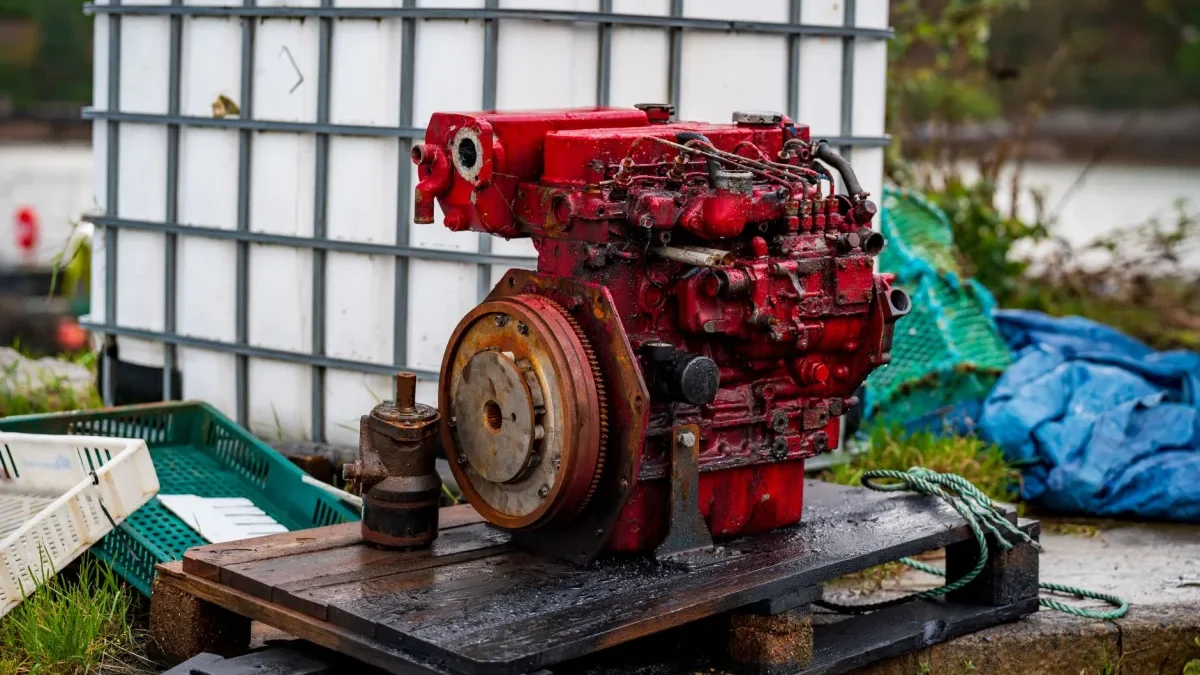
Diesels also last. There’s no spark plug, no carburetor to gum up, and the parts are heavier by design. It’s common to see one clock 15,000 hours and still start on the first crank.
Where diesel actually beats the alternatives
If your outages tend to be long, or you’re running big loads like a well pump, central AC, and an electric range at the same time, diesel earns its keep. It’s happiest working hard for hours, not idling to power a couple of lamps.
If you want a side-by-side on how the fuels stack up on cost and convenience, I laid that out in our breakdown of the main generator fuel types, which is worth a read before you commit to any of them.

The real cost of running one
Here’s where people get surprised, in both directions. Diesel machines cost more up front, but the running math often favors them once the hours pile up.
A rough fuel-burn rule for diesel: about 0.07 gallons per hour, per kilowatt of load. So a 20 kW unit at half load (10 kW) burns roughly 0.7 gallons an hour.
| Generator size | Load level | Approx. diesel burn | Cost per hour (at $4.25/gal) |
|---|---|---|---|
| 10 kW | Half (5 kW) | ~0.35 gal/hr | ~$1.49 |
| 20 kW | Half (10 kW) | ~0.70 gal/hr | ~$2.98 |
| 20 kW | Full (20 kW) | ~1.40 gal/hr | ~$5.95 |
| 30 kW | Half (15 kW) | ~1.05 gal/hr | ~$4.46 |
Prices swing with the market, so treat those dollar figures as a ballpark. But you can see how a partial load keeps things reasonable, which is why I always tell folks not to buy way more generator than they need.
For comparison, if you’re weighing this against a propane setup, the numbers in how much propane a generator actually uses and the natural gas consumption figures are the ones to lay next to this table.
The fuel storage problem nobody warns you about
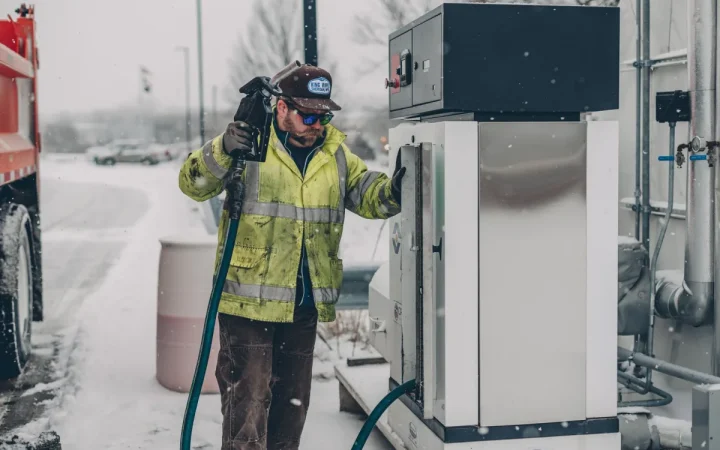
This is the part that trips up new diesel owners more than anything else. Diesel fuel does not store forever. Left alone, it starts to degrade in about six months, and by a year you can get water contamination, algae growth (yes, actual microbial gunk), and clogged filters.
A mistake I see all the time: someone fills a 200-gallon tank, feels prepared, and then two winters later the fuel is cloudy sludge that won’t run the machine when they finally need it.
Store diesel in an approved, vented tank away from living spaces and ignition sources, and keep it out of direct sun. Water condensation inside a half-empty tank is the number one killer of stored diesel, so keep tanks topped up and add a biocide if the fuel will sit.
The fix isn’t complicated, it just takes discipline. Treat the fuel, keep the tank full to cut down on condensation, and rotate your stock so nothing sits too long.
- Add a diesel stabilizer and a biocide when you fill the tank.
- Keep the tank at least 90 percent full to minimize condensation.
- Rotate fuel every 6 to 12 months by burning it down during exercise runs.
- Drain the water separator on the generator on a set schedule.
- Switch to winter-blend diesel before cold weather to prevent gelling.
The same “top it off and rotate it” logic applies to gasoline too, and the safety habits carry over. If you keep any gas cans around, the guidance in storing gasoline for a generator safely is a good companion to this.
Cold weather, the diesel Achilles’ heel
Diesel and deep cold have a complicated relationship. Below about 15 degrees Fahrenheit, untreated diesel starts to gel, the paraffin wax in it thickens and clogs the fuel lines. I’ve watched a perfectly good generator refuse to start on a 5-degree morning purely because of gelled fuel.
Two things solve this. First, a block heater, which is a small electric warmer that keeps the engine coolant warm so it starts cleanly. Most quality standby diesels come with one, and it’s worth confirming yours does.
Run your diesel generator under load for 20 to 30 minutes once a month, ideally with the block heater on. Regular exercise keeps seals wet, burns off condensation, and tells you the machine works before an actual outage does.
Second, use winter-blend or treated diesel once the temperatures drop. Anti-gel additives are cheap insurance, and the fuel supplier in cold regions usually blends for the season automatically.
Installation and the stuff you can’t skip
A whole-house diesel standby is not a plug-it-in project. It needs a level pad, a transfer switch wired by a licensed electrician, and exhaust routed well away from windows and doors.
Carbon monoxide from diesel exhaust is just as deadly as from any other engine, and it’s invisible. Never run one in a garage, a breezeway, or anywhere near the house’s fresh-air intake. The CPSC has clear placement rules worth reading before install, and I’ll point you to their official guidance below.
Because these units run long and hard, upkeep matters. Oil changes, filter swaps, and coolant checks are what buy you those 20,000-hour lifespans. I keep a full rundown in the complete generator maintenance checklist, and diesel owners should treat it as a calendar, not a suggestion.
Is diesel overkill for you?
Honestly, sometimes yes. If your outages are short and rare, and you just need to keep the fridge and a few circuits alive, a diesel standby is more machine than your situation calls for.
In that case, a smaller portable makes more sense, and the tradeoffs there are covered in our beginner guide to portable home backup generators.
How to decide, and what to do this week
Diesel is the pick when you want a workhorse: long runtimes, heavy loads, and an engine that’ll outlive the roof over it, as long as you respect the fuel. If you can commit to rotating and treating your diesel, and your winters get cold, this is a machine that will not let you down.
Your next step is simple. Add up the wattage of everything you truly need running at once, then get a licensed electrician out to look at your panel and pad before you shop for a specific size. For placement and carbon monoxide safety, start with the CPSC’s generator safety guidance, and for fuel handling basics the OSHA reference on diesel exhaust is a straight, no-nonsense read. Get those two things sorted, and you’ll be buying from knowledge instead of a sales pitch.