The first backup generator I ever hooked up for a customer, back around 2011, was already sitting in their garage when I got there. The homeowner had been running it through an extension cord snaked under the kitchen window, powering a fridge and a couple of lamps. He asked me, half-joking, why he couldn’t just “plug the generator into the house.” I spent the next twenty minutes explaining why that particular idea gets people killed.
That conversation is the reason this article exists. The piece of gear that answers his question is a transfer switch, and it’s the least glamorous, most misunderstood part of any home backup setup.
So let’s clear it up, plainly, the way I’d explain it standing in your driveway.
Key takeaways
- A transfer switch safely moves your home’s power source between the utility grid and your generator, so the two never connect at the same time.
- Skipping one and back-feeding through an outlet can kill utility workers and destroy your generator, it’s illegal in most places for good reason.
- The two main types are whole-house (automatic) and circuit/manual switches; most homeowners start with a manual sub-panel.
- Expect to spend roughly $300 to $2,000 on the switch itself, plus $500 to $1,500 for a licensed install.
What is a transfer switch, really?
Here’s the short version. What is a transfer switch? It’s a box, usually mounted next to your main electrical panel, that decides which power source feeds your house, the utility or your generator, and physically prevents both from being connected at once.
That “one at a time” part is the whole point. Utility power and generator power can never touch. If they did, your little 7,500-watt generator would try to push electricity backward onto lines built to carry thousands of volts.
Think of it like a railroad switch. The train goes down one track or the other, never both. The transfer switch throws that track for your home’s electricity.
Why you can’t just run an extension cord (or worse, a “suicide cord”)
There’s a homemade contraption floating around the internet called a suicide cord, a cable with a male plug on both ends. You plug one end into the generator and the other into a wall outlet. It energizes your house through that circuit.
The name isn’t a joke. Both ends carry live power, so one exposed prong will bite you hard. Worse, that power flows back through your panel, out to the pole, and up the utility line a crew might be repairing.
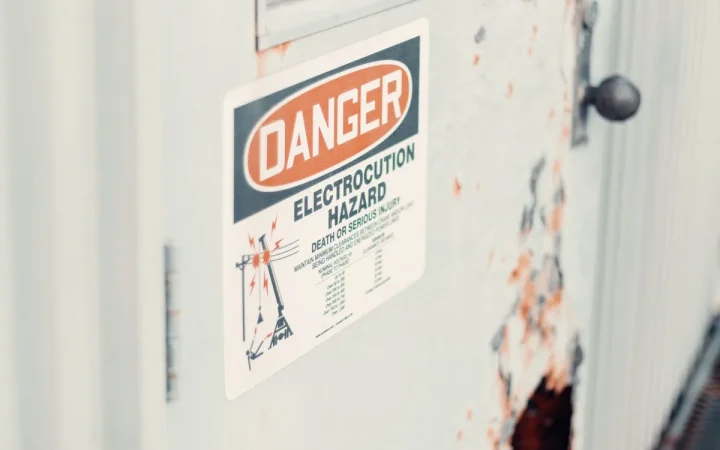
Back-feeding without a transfer switch can send lethal voltage down what a lineman believes is a dead line. The Consumer Product Safety Commission has documented electrocution deaths from exactly this. Never energize your home wiring through an outlet. Ever.
A transfer switch or an interlock kit is the legal, code-compliant way to feed your panel. If budget is your main hurdle, a generator interlock kit gives you a safe, permitted connection for a fraction of the cost of a fancy automatic switch.
The main types, and who each one suits
Not every home needs the same box. The right choice depends on your budget, your generator, and how much you care about being home when the lights go out.
Manual transfer switches (the workhorse)
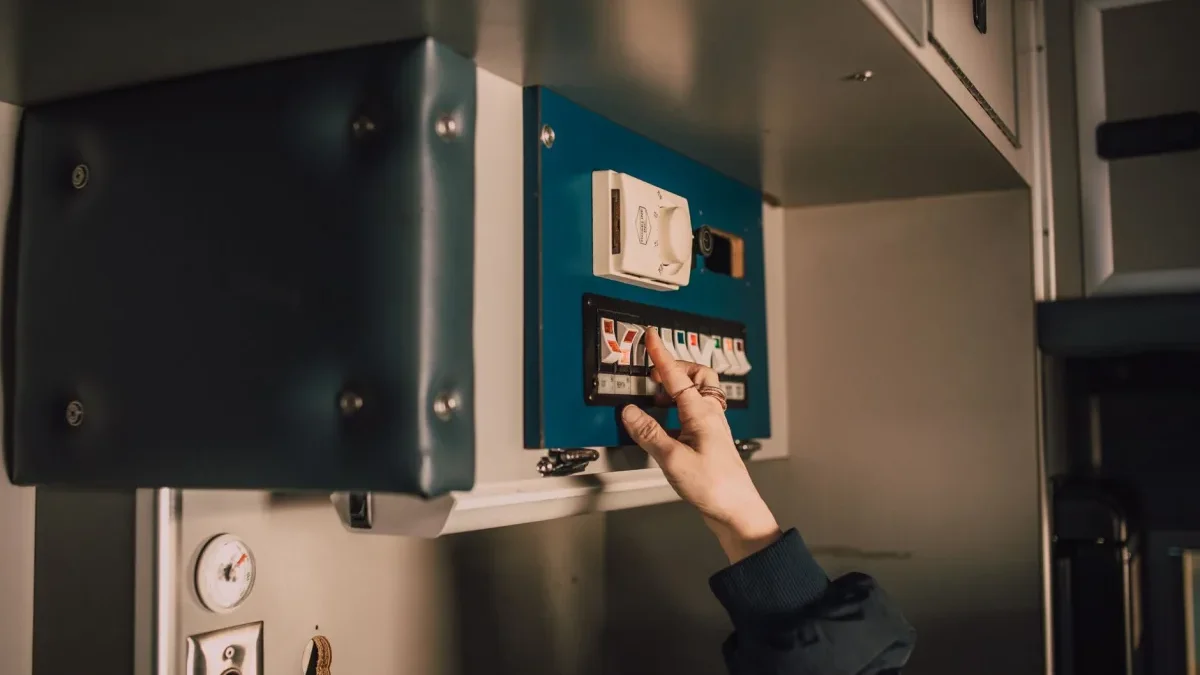
These are what I install most. When the power drops, you walk outside, start the generator, then flip the switch by hand. Most are a small sub-panel with six to twelve circuits you pre-select, furnace, fridge, well pump, a few outlets.
They’re affordable and dead reliable. A common Reliance or Generac manual switch runs $300 to $600.
Automatic transfer switches (ATS)
An ATS senses the outage and does everything for you, starts a standby generator, waits for it to stabilize, then switches over in maybe ten to thirty seconds. You could be on vacation and never know the grid blinked.
That convenience costs more. The switch alone is $400 to $2,000, and it’s almost always paired with a permanently installed standby unit. If you’re weighing coverage against price, the tradeoffs in whole-house versus circuit transfer switches are worth reading before you commit.
Whole-house vs. circuit switches
A circuit switch powers a chosen handful of loads. A whole-house switch, usually with load management, can run the entire panel as long as your generator is big enough to keep up.
On a job last winter, a family insisted on whole-house so their two heat pumps stayed on. That meant a 22 kW standby unit and a service-rated ATS, a very different bill than the $500 manual sub-panel their neighbor was perfectly happy with.
How a transfer switch actually works
Inside the box are two sets of contacts and a mechanical interlock. The interlock is a physical bar or slider that makes it impossible for both sides to close together, you literally cannot connect grid and generator at once, even if you tried.
In a manual unit, you move a handle. In an ATS, a controller and relays do the moving based on voltage sensing.
Here’s the sequence I walk every customer through:
- Grid power fails.
- You (or the ATS) start the generator and let it warm for 30 to 60 seconds.
- The switch disconnects the house from the utility.
- The switch connects the house to the generator.
- When the grid returns, you reverse the steps, utility first, then shut the generator down.
Picking and sizing the right switch
Two numbers drive this decision: how many amps your service is, and how many watts your generator makes. Match the switch to both.
A 30-amp manual switch pairs with a portable generator around 5,000 to 8,000 watts. A 200-amp service-rated ATS is for whole-house standby setups pushing 20 kW or more. Getting the wattage math right first saves grief, and sizing a generator for your home should honestly come before you shop for any switch.
| Type | Switch cost | Best for | Operation |
|---|---|---|---|
| Manual sub-panel | $300–$600 | Essential circuits, portable generator | Flip by hand |
| Interlock kit | $100–$250 | Budget whole-panel access | Flip by hand |
| Circuit ATS | $400–$1,200 | Hands-off backup, key loads | Automatic |
| Whole-house ATS | $900–$2,000 | Full-home standby | Automatic |
Add up the running watts of only what you truly need during an outage, fridge (150), furnace blower (600), well pump (1,000), a few lights and chargers. Most homes get by comfortably on far less than people assume, which lets you buy a smaller, cheaper switch and generator.
Installation, permits, and staying legal
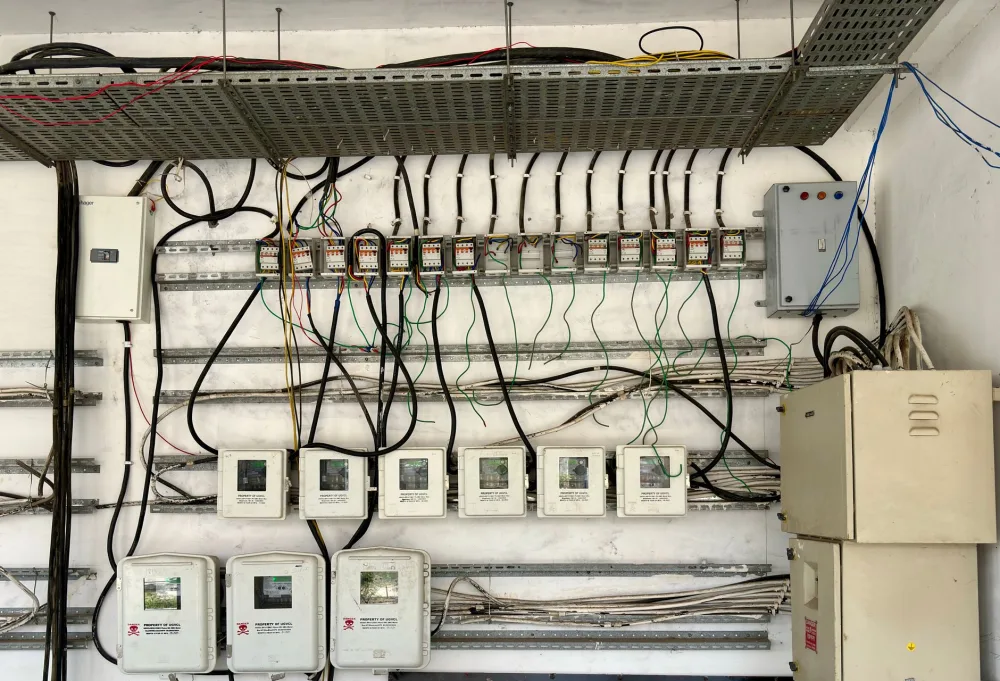
I’ll be blunt: this is not a Saturday DIY project for most folks. A transfer switch ties directly into your main panel, and a wrong connection is a fire or a lethal shock waiting to happen.
Nearly every jurisdiction requires a permit and an inspection, and many require a licensed electrician. Utilities often won’t allow a standby hookup without proof of a proper switch. The full transfer switch installation cost and process breaks down what a pro visit actually covers.
The National Fire Protection Association’s NEC (article 702 covers optional standby systems) is the code your inspector will check against. You can read the basics at nfpa.organd general generator safety guidance is on ready.gov.
Your next move
Start with the question I ask every customer: home or away? If you need power to come on without you lifting a finger, price out an automatic switch and a standby generator. If you’re fine walking outside with a flashlight, a manual switch or interlock kit will serve you for years at a fraction of the cost.
Either way, size your loads first, get a licensed electrician for the panel work, and put the whole rig on a schedule so it starts when you need it. A quick pass through a generator maintenance checklist every fall is what separates the folks who have power at 2 a.m. from the ones cranking a dead engine in the rain.