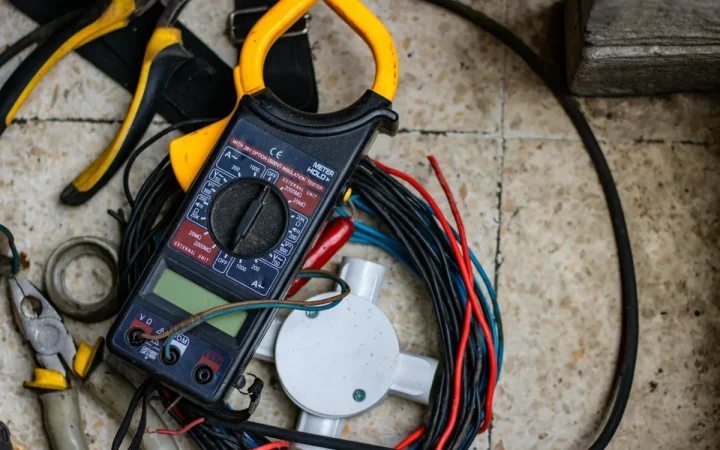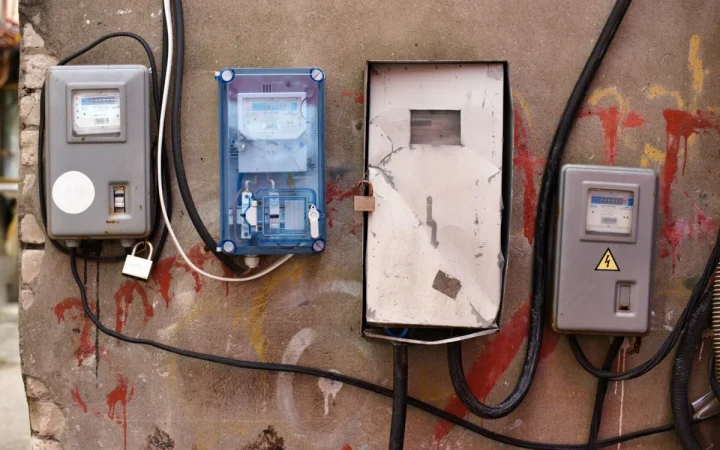

The question I get asked more than any other on a first visit isn’t about generators at all. It’s “How do I connect the thing safely without burning the house down or frying a lineman?” That job belongs to the transfer switch, and the two flavors most homeowners run into are a whole-house switch and a circuit (sometimes called “manual” or “sub-panel”) switch.
They do the same core job. They keep your generator and the utility from ever touching the same wires. But they cost wildly different amounts and they suit very different homes, so picking wrong means either overspending by a couple grand or shivering in the dark because your one heater didn’t make the cut.
I spent 12 years pulling wire and swapping panels before I started writing, and I’ve installed both kinds in the same neighborhood on the same week. Let me walk you through how I’d help a neighbor choose.
Key takeaways
- A circuit transfer switch backs up 6 to 12 chosen circuits and usually runs $300 to $900 installed alongside a portable generator.
- A whole-house (whole-panel) automatic switch covers everything but pairs with a standby generator and typically lands between $3,500 and $12,000 installed.
- Your generator’s wattage, not your wish list, decides how much you can actually run at once.
- Both require a licensed install and a permit in nearly every U.S. jurisdiction.
Whole house vs circuit transfer switch: the core difference
A circuit transfer switch sits next to your main panel. It taps a fixed set of individual breakers, six, ten, sometimes twelve, and lets you flip each of those loads between utility and generator with a little toggle. You start your portable generator, plug it in, and manually move the switches.
A whole-house transfer switch is a different animal. It usually lives between the meter and the main panel, and when the power drops it disconnects the entire house from the grid and reconnects it to a standby generator, often automatically within 10 to 30 seconds. Nothing to plug in, nothing to toggle.
The names get muddy because salespeople blur them. If someone can move every load in your home, that’s whole-house. If you’re choosing winners and losers ahead of time, that’s a circuit switch. For the full mechanics of how these devices isolate the grid, our complete guide to transfer switches breaks the internals down.
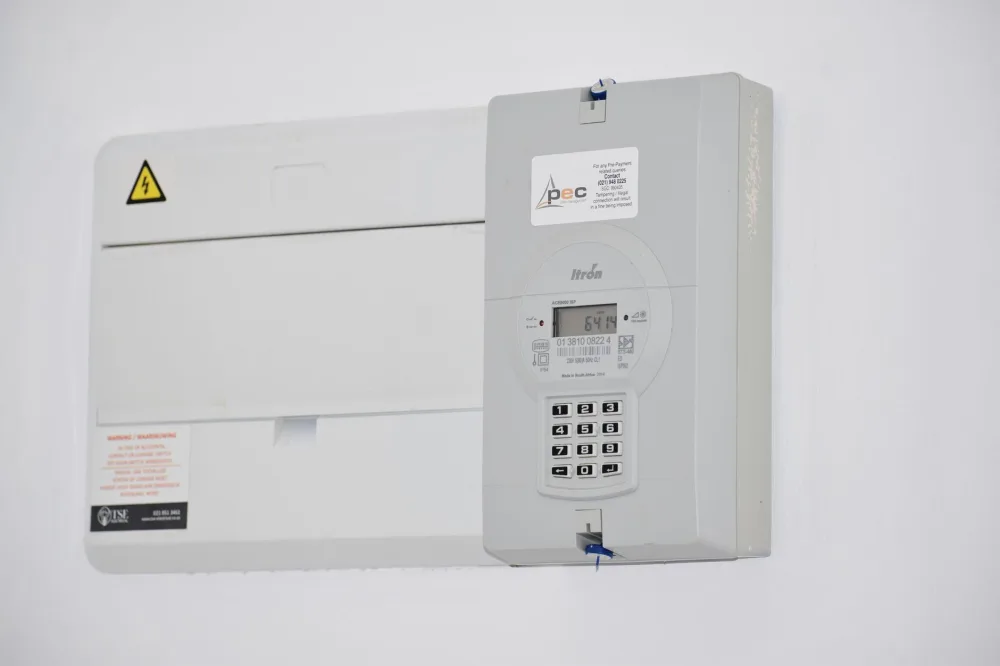
What a circuit transfer switch actually powers
This is the setup I install most for beginners, and honestly for good reason. It’s affordable, it’s simple, and it pairs with a portable generator you can wheel into the garage in summer.
You pick the circuits that matter during an outage. A typical list looks like this.
- Furnace blower or boiler (500 to 800 watts running)
- Refrigerator and a chest freezer (roughly 1,200 watts combined on startup)
- Well pump, if you’re on a well (1,000 to 2,400 watts, big surge)
- A few lighting and outlet circuits (200 to 400 watts)
- Garage door opener and internet router
The wattage reality check
Here’s the part people skip. A 10-circuit switch does not mean you can run all 10 circuits at full tilt. Your generator sets the ceiling.
Say you’ve got a 5,500-watt portable. Your furnace, fridge, freezer, and some lights sit around 3,000 running watts, which sounds fine, until the well pump kicks on and demands a 4,000-watt surge on top. That’s why I tell folks to sketch out running watts and starting watts before they buy anything. The guide to sizing a generator for your home has the worksheet I use.
Never run a portable generator’s cord straight into a wall outlet to “backfeed” the panel. It energizes the utility line outside and can kill a lineman working to restore your power. This isn’t a scare story, it happens. Read why backfeeding a generator is so dangerous before you ever improvise.
What a whole-house switch buys you
On a job last winter, a couple in a 3,200-square-foot house with two kids, electric range, and a home office told me they never wanted to think about the generator again. That’s the whole-house customer in one sentence.
With an automatic whole-house switch feeding a standby generator, the outage becomes a blink of the lights. The furnace, the range, the sump pump, the HVAC, all of it comes back on its own while you’re asleep. No cords, no toggling, no wheeling anything out of the garage in a sleet storm.
The catch is money and scale. A standby generator big enough to carry a whole house runs 14 to 26 kilowatts, and once you add the automatic switch, the gas or propane hookup, the concrete pad, and permits, most of my clients land between $7,000 and $12,000. Smaller homes with load management can come in nearer $5,000.
Many whole-house systems use “load shedding” so a smaller generator can still cover a big house. It drops the air conditioner or dryer for a few minutes when the well pump or range spikes, then restores it. That trick can knock a couple grand off the generator size you need.
Cost, effort, and coverage side by side
Numbers land better than adjectives, so here’s how the two stack up on the factors homeowners actually weigh.
| Factor | Circuit switch | Whole-house switch |
|---|---|---|
| Installed cost | $300 to $900 | $3,500 to $12,000 |
| Generator type | Portable, 3.5 to 8 kW | Standby, 14 to 26 kW |
| Circuits covered | 6 to 12 chosen | Entire panel |
| Transfer | Manual, a few minutes | Automatic, 10 to 30 sec |
| Fuel | Gasoline you store | Natural gas or large propane |
| Your effort per outage | Roll out, start, toggle | None |
Sizing the switch to your panel matters as much as sizing the generator. A switch has to match your service amperage, and getting that wrong causes nuisance trips or a failed inspection. Our breakdown of transfer switch sizing by amps covers how to match a 100A, 150A, or 200A service.
How I’d help you choose
Start with two honest questions. How long do your outages usually last, and how much do you mind babysitting a generator?
If you lose power a handful of times a year for a few hours, and you’re fine walking outside to start a portable, a circuit switch is the smart money. You’ll keep the essentials alive for a fraction of the cost, and a decent portable inlet setup is clean and code-legal.
If you’re on a well, work from home, have medical equipment, or you’re in an area where ice storms knock power out for days, the automatic whole-house route earns its price. The math changes when an outage means a flooded basement from a dead sump pump or a freezer full of spoiled food.
A middle path I set up often: a circuit switch paired with a permanent generator inlet box mounted on the exterior wall. You get a weatherproof, one-cord connection without the whole-house price tag. For the load numbers behind these calls, the U.S. Department of Energy’s home electricity guidance is a solid reference, and the Ready.gov power outage checklist is worth a read before storm season.
Your next move before you buy anything
Don’t start with the generator catalog. Start with a clipboard.
Walk your house and write down every appliance you’d genuinely need during a two-day outage, then note its running and starting watts off the nameplate or the manual. Add them up. That single number tells you whether a 6,500-watt portable and a circuit switch will do, or whether you’re truly in whole-house territory.
Take that list to a licensed electrician for a quote on both options, and once your system’s in, keep it healthy with a proper generator maintenance routine. A switch you never test is a switch you can’t trust the night you need it.