The first automatic transfer switch I ever wired into a house was a dumb metal box the size of a phone book. It did one job, did it well, and told you exactly nothing about how it was doing it. You found out the generator ran only because the gas gauge was lower and the neighbor mentioned hearing it at 2 a.m.
Fast forward to now, and half the switches I install talk to a phone. They text you when the power drops, log every start, and let you watch the whole thing from a lawn chair three states away. That’s the pitch, anyway. Some of it is genuinely useful, and some of it is a $400 upcharge for a feature you’ll open twice a year.
I’ve put in enough of both kinds to have opinions. Here’s the honest version for a homeowner who’s still figuring out what any of this does.
Key takeaways
- A smart transfer switch is a normal transfer switch plus a communication board that sends alerts and data to an app.
- The real value is early warning, you learn about a failed weekly test days before the storm, not during it.
- Expect to pay $150 to $500 more than a comparable standard switch, plus a working Wi-Fi or cell signal at the panel.
- Monitoring does not replace maintenance; it just tells you when to go do the maintenance.
What a smart transfer switch actually is
Strip away the marketing and a smart transfer switch is the same device as a regular one. It watches your utility power, and when that power fails it disconnects your house from the grid and connects it to the generator instead. When the utility comes back, it flips you home again. That transfer part hasn’t changed in decades, and if you want the ground-level version I wrote it all up in our complete guide to how transfer switches work.
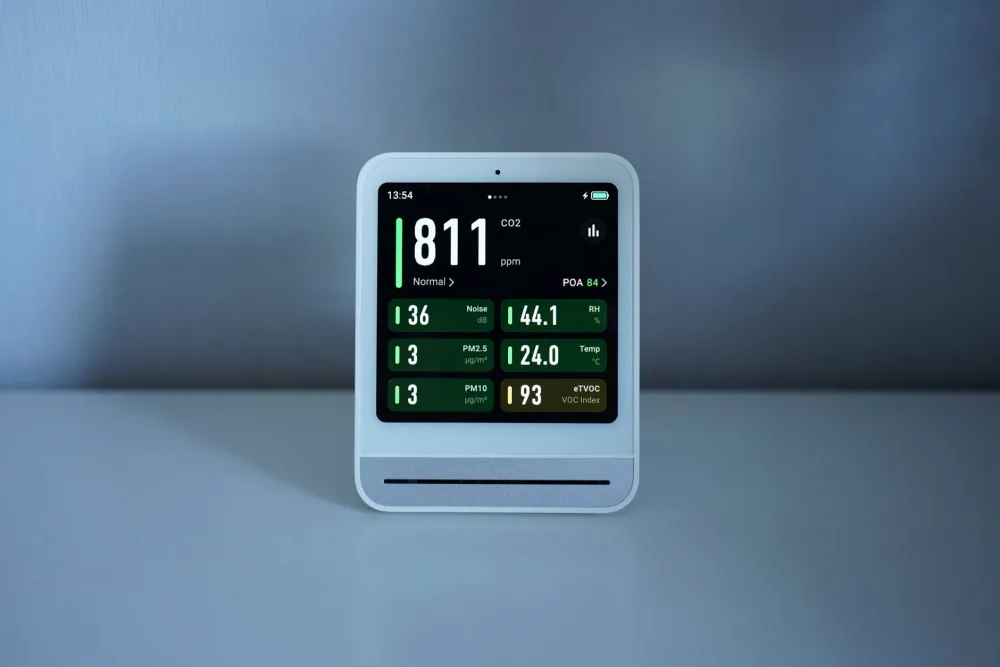
What’s bolted on is a little brain, a controller with Wi-Fi, cellular, or ethernet, that reports what the switch is doing. Voltage, generator run hours, whether last Tuesday’s self-test passed, sometimes the battery voltage on the generator itself. It pushes that to a manufacturer app on your phone.
That’s the whole trick. It’s not a different category of equipment. It’s a standard switch with a messenger attached.
Where the “smart” part lives
On a Generac or Kohler standby system, the intelligence usually rides on the generator’s control board and the transfer switch just does as it’s told. On a portable setup with a manual or automatic switch, the monitoring might be a separate module you wire in. Either way, the sensing and the reporting are two different jobs, and it helps to know which box is doing which when something acts up.
What the monitoring is genuinely good for
The single best thing these systems do is catch a problem while the sun is still shining.
Standby generators run a self-test every week, usually a quiet five-minute exercise cycle. On a dumb system, if that test fails, you have no idea. The generator sits there looking fine right up until the outage, when it clicks, groans, and does nothing. On a job last winter a customer’s unit had thrown a low-oil fault in October; because he had monitoring, he got the alert, I swapped a sensor, and he was covered before the first real storm in December.
Without that alert, he’d have found out in the dark with a freezer full of venison. That’s the difference in one sentence.
Turn on the weekly-test notification even if you ignore every other alert. A silent failed self-test is the most common reason a “working” generator doesn’t start when you need it.
Run-hour logging is the other quietly useful feature. Oil changes on most air-cooled standby units come due around every 100 to 200 hours or once a season. The app counts the hours for you, so you’re not guessing or relying on a sticker you wrote in 2021.
What it doesn’t do
Monitoring tells you something is wrong. It does not fix it, and it does not do the maintenance for you. I’ve had folks assume the app meant they could skip oil changes because “it would let me know.” It lets you know after the oil is already cooked, which is not the same as protecting the engine.
A smart switch also won’t rescue an undersized system. If your generator can’t carry the load, the app will happily report an overload while your lights flicker, very informative, still dark. Sizing is a separate decision you make up front, and it’s worth getting right using our walkthrough on how to size a generator for your home before you ever pick a switch.
Never rely on an app to confirm your house is isolated from the grid before you touch anything. Backfeeding a utility line can kill a lineman. Any transfer work, smart or not, follows the same lockout rules, the phone is a convenience, not a safety device.
Smart versus standard: the money question
Here’s roughly what the upcharge looks like based on what I’ve quoted and installed. Prices swing by region and brand, so treat these as a fair middle.
| Feature | Standard switch | Smart switch |
|---|---|---|
| Automatic transfer | Yes | Yes |
| Remote alerts / app | No | Yes |
| Run-hour & fault logging | No | Yes |
| Typical hardware cost | $300–$900 | $500–$1,400 |
| Needs internet at panel | No | Usually yes |
| Monthly fee (some brands) | None | $0–$10 |
So you’re looking at somewhere around $150 to $500 more for the smart version, and a handful of brands charge a small monthly fee for cellular reporting if your Wi-Fi doesn’t reach the equipment. That last point trips people up, the switch is often on the outside of the house, right where the router signal dies.
If budget is tight and you’re comparing hookup styles anyway, a manual approach can make sense; I laid out the cheapest legitimate route in the piece on the generator interlock kit budget hookupand it also helps to understand the difference between a whole-house and a circuit switch before you spend on monitoring for either.
Is a smart switch worth it for you?
Run yourself through this quick gut check. If you’re nodding at most of it, the upcharge earns its keep.
- You travel or own a second property you can’t check on in person.
- You depend on power for medical equipment, a home office, or a sump pump.
- You’ve been burned before by a generator that “should have worked.”
- You have a reliable Wi-Fi or cell signal where the equipment lives.
- You’d actually open the app and act on an alert, not mute it.
If you’re home most of the time, hear the generator exercise every week, and check the oil yourself, a good standard switch does the job for less. There’s no shame in the plain box. I’ve got one on my own detached shop.
Installing and pairing it without a headache
The wiring on a smart switch is identical to a standard one, the smart part is a setup step, not a wiring change. On a professional install the electrician lands the same conductors; the difference is the ten minutes at the end spent on the app and the network. If you’re weighing the labor, the numbers and steps in our breakdown of transfer switch installation cost and process apply to both types.
Two things save the most grief. First, get the Wi-Fi sorted before the crew leaves, a cheap outdoor mesh node near the panel beats fighting a weak signal for years. Second, register the unit under an email you’ll still have in five years, not a throwaway. Warranty and alerts both hang off that account.
For the actual mechanics of standby systems and why manufacturers push scheduled service so hard, the National Fire Protection Association’s home generator safety guidance is a straight, non-salesy reference. The U.S. Department of Energy also keeps a plain overview of emergency home power basics if you’re starting from zero.
Your next move
Before you shop features, decide the boring stuff: how much of the house you need to back up, whether internet reaches your panel, and whether you’ll genuinely respond to an alert. Those three answers tell you if the smart version pays off or if you’re buying peace of mind you’ll never open.
Then, smart or standard, put maintenance on the calendar. The switch that talks to your phone is only as good as the person who acts on what it says, so pair whatever you buy with a real service routine, and our complete generator maintenance checklist is the place to start that habit this weekend.