
The first standby unit I ever serviced on my own was a 20 kW Generac behind a farmhouse outside Ithaca. The owner swore he’d “never touched it” in six years, and the dipstick came out looking like coffee that had been left on a burner all weekend. That engine still ran, but it was living on borrowed time.
Here’s the thing most people miss: a standby generator sits idle for weeks, then runs hard for hours during an outage when you need it most. The oil is what stands between smooth running and a scored cylinder wall. And unlike your car, nobody’s reminding you with a dashboard light.
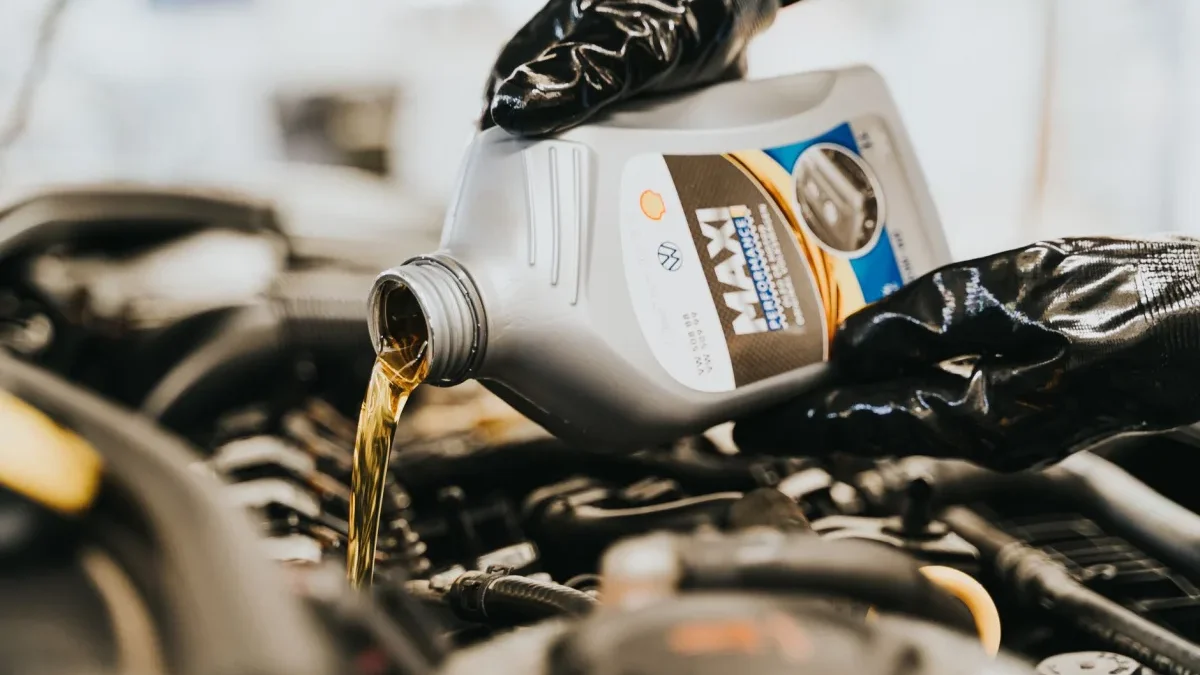
Good news is a standby generator oil change is one of the easiest jobs you can do yourself. Give me half an hour of your Saturday and I’ll walk you through it the way I’d show a neighbor over the fence.
Key takeaways
- Change the oil after the first 25 hours of run time, then every 100–200 hours or once a year, whichever comes first.
- You’ll need the right oil weight for your climate, a new filter, a drain pan, and about 30 minutes.
- Always run the engine a few minutes first so the oil drains warm and carries out the gunk.
- Never work on the unit until it’s off, cooled, and the battery is disconnected.
Why a standby generator oil change matters more than you’d think
Your generator’s engine is basically a lawn-tractor engine that’s been asked to do a serious job. When the power drops, it can run 8, 12, sometimes 24 hours straight. Old oil breaks down under that heat and stops protecting the moving parts.
On a job last winter, I pulled a filter off a 16 kW unit that had gone three years without service. The oil had turned to a thin, gray sludge, and the owner was staring down a $2,800 engine rebuild instead of a $35 oil change. That math sticks with people.
Clean oil also keeps the unit ready. A generator that gets its weekly self-test but never fresh oil is like a fire extinguisher nobody ever checks the gauge on. If you want the full picture on staying ahead of failures, our complete generator maintenance checklist lays out everything on one page.

Gather your tools and the right oil first
Nothing kills momentum like getting halfway through and realizing you’re missing a wrench. Lay everything out before you start.
- Owner’s manual (for oil capacity and drain plug location)
- New oil, usually 1.5 to 1.9 quarts for a residential air-cooled unit
- Correct oil filter for your model
- Drain pan that holds at least 2 quarts
- Socket or wrench for the drain plug
- Oil filter wrench
- Funnel, shop rags, and nitrile gloves
- Cardboard or an old towel to protect the pad
Picking the right oil weight
Most air-cooled residential generators want a synthetic 5W-30 in cold country or a 10W-30 in warmer regions. Some Generac and Kohler units call for their own branded synthetic, check the manual, because guessing here isn’t worth the $10 you’d save.
If you live somewhere that dips below 10°F, synthetic 5W-30 is my default. It flows during a cold-start emergency far better than conventional oil, and cold starts are exactly when the engine sees the most wear.
Before you touch a wrench, shut the generator off at the unit, switch the main breaker or disconnect to OFF, and remove the negative battery cable. A standby unit can crank itself during a scheduled test, you do not want your hands near it when that happens.
How often should you actually do it?
The first oil change is the one people skip, and it’s the most important. New engines shed tiny metal particles as parts break in, so that first-25-hour change flushes them out.
After that, the interval depends on how much your unit runs. Here’s the cheat sheet I give homeowners.
| Situation | When to change oil |
|---|---|
| Brand-new unit | After first 25 run hours |
| Light use (weekly self-tests only) | Once a year, minimum |
| After a long outage (24+ hours run time) | Check level; change if near 100 hours |
| Heavy or standby-critical use | Every 100–200 run hours |
Run hours matter more than the calendar for busy units, but even a generator that barely runs needs annual oil because moisture and acids build up while it sits. If you’re fuzzy on run time, the piece on how often to exercise a standby generator explains how those weekly tests add up.
The oil change, step by step
Pick a dry day and give yourself elbow room. This goes faster than you expect once the plug is out.
1. Warm the engine
Start the generator and let it run about five minutes. Warm oil is thinner and carries suspended dirt out with it, draining cold oil leaves half the grime behind. Then shut it down and do your safety lockout.
2. Drain the old oil
Slide your pan under the drain. Some units have a drain plug you unscrew; nicer models have a drain hose with a cap. Loosen it slowly, the first oil out is hot enough to sting. Let it fully drain, which takes two or three minutes.
3. Swap the filter
Spin the old filter off with the filter wrench; expect a little more oil to dribble out. Wipe the mounting surface clean, then smear a dab of fresh oil on the new filter’s rubber gasket. Thread it on by hand until snug, then about three-quarters of a turn more. No wrench needed here.
4. Refill and check
Reinstall the drain plug or cap. Pour in the amount your manual specifies, but add the last quarter-quart slowly and check the dipstick, overfilling causes foaming and smoke. You want the level right at the full mark, not above it.
5. Test and re-check
Reconnect the battery, restore power, and run the unit a couple minutes. Watch for leaks around the plug and filter. Shut down, wait a minute, and check the dipstick one more time, it usually reads a hair lower after the filter fills.
Write the date and hour-meter reading on a strip of masking tape stuck inside the enclosure door. Next year you’ll know exactly when you last serviced it instead of guessing.
Don’t forget what you drained
Used motor oil is nasty stuff and it’s illegal to dump. Pour it into a sealable container, the old oil jug works fine, and drop it at any auto parts store or municipal recycling center. Most take it free. The EPA’s guidance on recycling used oil at home is worth a two-minute read the first time.
While you’ve got the enclosure open, glance at the terminals. Oil changes pair naturally with battery maintenance and replacementsince a corroded battery is the number-one reason a healthy generator won’t start when the lights go out.
A few mistakes I see all the time
The one that makes me wince is overfilling “just to be safe.” Extra oil gets whipped into foam by the crankshaft, and foam doesn’t lubricate. I’ve seen half a quart too much smoke a unit blue on its next test.
Second is using the wrong filter because it “looked close enough” at the parts counter. The bypass valve and thread pitch vary between models, and a mismatched filter can starve the engine of oil. Match the part number from your manual.
Last, people forget the fuel side of the house entirely. Oil is only one system, if you’re not sure your fuel type is right for your setupthat’s worth sorting out on the same afternoon.
Your next 30 minutes
Go find your owner’s manual and read the oil capacity and filter part number, that’s the real starting line. Order the filter, grab a jug of the right oil, and block out one Saturday morning.
Do that first change, mark the date on the door, and you’ve just taken the single most valuable maintenance step a standby generator owner can take. When the next storm rolls through and your neighbors are sitting in the dark, you’ll be glad you did.