
Most homeowners never think about their standby generator until the lights go out. It sits quietly next to the house, wired to a transfer switch, waiting. Then a storm rolls through, the power drops, and everyone finds out at the exact same moment whether that machine actually works.
The good news is that keeping it ready is almost embarrassingly simple. The bad news is that the one thing it needs, most people accidentally shut off. On a service call last February, I found a homeowner whose Generac had a “did not start” error going back eleven months. The unit was fine. Someone had disabled the weekly run because they didn’t like the noise on Sunday mornings.
So let’s talk about how often you should exercise a standby generator, what that exercise cycle really does, and how to tell if yours is doing its job.
Key takeaways
- Let the unit run its automatic self-test once a week for 5 to 20 minutes. Don’t disable it to save on noise.
- Run one longer test under real household load a few times a year to catch problems the short cycle hides.
- The weekly cycle exists mainly to keep the battery charged and the lubrication moving, not to “warm up” the engine.
- Log the runs and watch the battery. A dead 12-volt battery is the number one reason a standby won’t start.
Why you need to exercise a standby generator at all
An engine that never runs is an engine that quietly rusts from the inside. Oil drains off the cylinder walls, fuel can gum up, and the battery slowly loses charge sitting there doing nothing.
The weekly exercise cycle fights all three. It circulates oil across the bearings and cylinder walls, burns off any moisture that condensed inside the crankcase, and, most importantly, tops off the starting battery through the charging system.
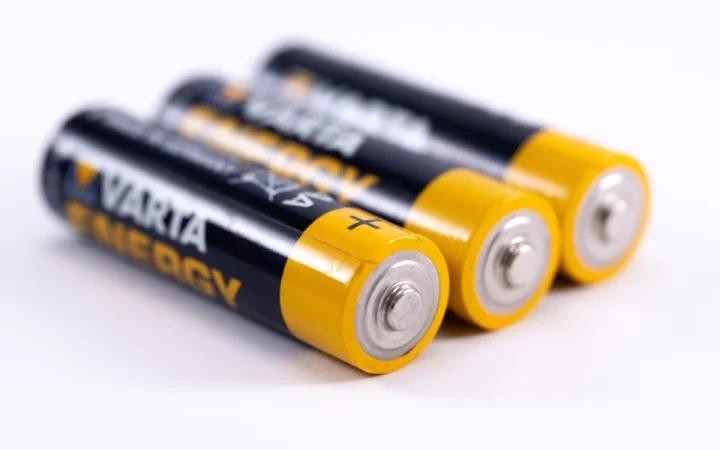
That battery point is the big one. In my years on service calls, a weak or dead 12-volt battery was behind more no-start failures than every other cause combined. The generator itself was usually healthy. It just couldn’t crank.
How often is “often enough”?
For a permanently installed home standby, the answer almost every manufacturer lands on is once a week. Generac, Kohler, and Cummins all ship their units set to a weekly self-test from the factory, usually 5 to 20 minutes depending on the model and the setting you choose.
You don’t have to babysit it. The controller runs the test on its own, at a day and time you pick. My advice to clients is to schedule it for a weekday mid-morning, say 11 a.m. Tuesday, when someone’s usually around to hear a problem but the neighbors are at work.
The two kinds of exercise runs
There’s a difference between a self-test and a real workout, and it trips people up.
The weekly self-test is a no-load or light-load run. The engine starts, spins up, runs for a few minutes, and shuts down. It proves the thing will start and keeps the fluids moving. What it does not do is prove your generator can carry your actual house.
That’s why I tell homeowners to do a longer loaded test two to four times a year. You trip the main utility breaker (or use the test function on the transfer switch), let the generator pick up the real load of the house, and run it 20 to 30 minutes. That’s when a marginal unit shows its cards.
Do your quarterly loaded test right before storm season and again before deep winter. If something’s wrong, you want to find out on a calm afternoon, not at 2 a.m. with the temperature dropping.
A simple schedule you can actually keep
You don’t need a spreadsheet. Here’s the rhythm I set up for the homes I service, and it has held up across hundreds of units.
| How often | What to do | Roughly how long |
|---|---|---|
| Weekly | Let the automatic self-test run. Just listen for a clean start and shutdown. | 5-20 min (automatic) |
| Monthly | Walk out and look it over: leaks, nesting rodents, chewed wires, warning lights. | 5 min |
| Quarterly | Run a loaded test with the house on generator power for 20-30 minutes. | 30 min |
| Annually | Oil, filter, spark plugs, valve check, battery load test. Usually a pro visit. | 1-2 hours |
The weekly and monthly items are easy enough that any homeowner can own them. The annual service is where a lot of folks bring in a technician, and honestly that’s money well spent. A yearly oil and filter change on a 20 kW unit runs most people $250 to $400 installed, and it’s the cheapest insurance you’ll ever buy against a $6,000 replacement.
If you want the full rundown of what a proper yearly service covers, our complete generator maintenance checklist walks through every step.
Reading the signs your generator gives you
Your generator talks to you if you listen. During the weekly run, stand near it once in a while and pay attention.
A healthy unit cranks and catches within a second or two, settles into a steady hum, and shuts down cleanly. Watch and listen for the things that mean trouble:
- Long cranking or several attempts before it starts (often a weak battery)
- A rough, surging idle that won’t smooth out
- Black or blue smoke that doesn’t clear in the first minute
- A new rattle, squeal, or knock you didn’t hear last month
- Any yellow or red status light on the controller
The battery deserves special attention because it’s the usual culprit. Most standby batteries last three to five years, and they tend to fail in cold weather right when you need them. If yours is pushing four years, test it or just replace it. Our guide to generator battery maintenance and replacement covers how to check state of charge without any special tools.
Don’t confuse “it ran” with “it’s ready”
A mistake I see all the time: someone hears the weekly test fire up, nods, and assumes everything’s fine. But a no-load run can hide a bad automatic voltage regulator or a transfer switch that won’t actually flip. The only way to catch those is the loaded quarterly test, which is exactly why I keep harping on it.
If you’ve never watched your transfer switch do its job, the quarterly test is a good time to learn. That box is what hands your house from the grid to the generator and back, and it’s a common failure point people overlook.
A few things that quietly wreck standby generators
Exercise keeps the engine happy, but a couple of outside factors do more damage than idle time ever will.
Fuel is the first. Natural gas units are easy since the fuel never goes stale. Propane and diesel are a different story, and if you’re on either, it’s worth understanding how your fuel behaves over time. Our breakdown of generator fuel types compared gets into which needs babysitting and which doesn’t.
The second is exhaust, and this one’s a safety issue, not a maintenance one. A standby vents combustion gases just like any engine. Keep the exhaust path clear of snow, leaves, and mulch, and never let anyone close up around it while it runs. The CPSC has solid guidance on generator placement and carbon monoxide at cpsc.gov, and it’s worth a five-minute read. We also cover it in plain terms in our piece on carbon monoxide safety around generators.
Never run any generator, standby or portable, inside a garage or enclosed space, even with the door open. Carbon monoxide is odorless and can build to deadly levels fast. Standby units must be installed outdoors with proper clearance.
If you also keep a portable unit as a backup to your backup, the off-season storage matters too. A little prep goes a long way, and our notes on winterizing a portable generator save a lot of spring headaches.
Where to point your attention this week
Start with the smallest thing that matters most: confirm your weekly self-test is actually turned on and hasn’t been disabled. Pull up the controller, check the exercise setting, and pick a time that works for your household.
Then put two calendar reminders in your phone: a quarterly loaded test and an annual professional service. That’s the whole system. Once a week the machine takes care of itself, four times a year you give it a real workout, and once a year a pro digs in.
Do that, and when the next storm knocks the grid out, your generator won’t be a question mark. It’ll just start, the way it’s supposed to. For a deeper reference on federal preparedness, the government’s outage guidance at ready.gov pairs well with a well-kept unit.