
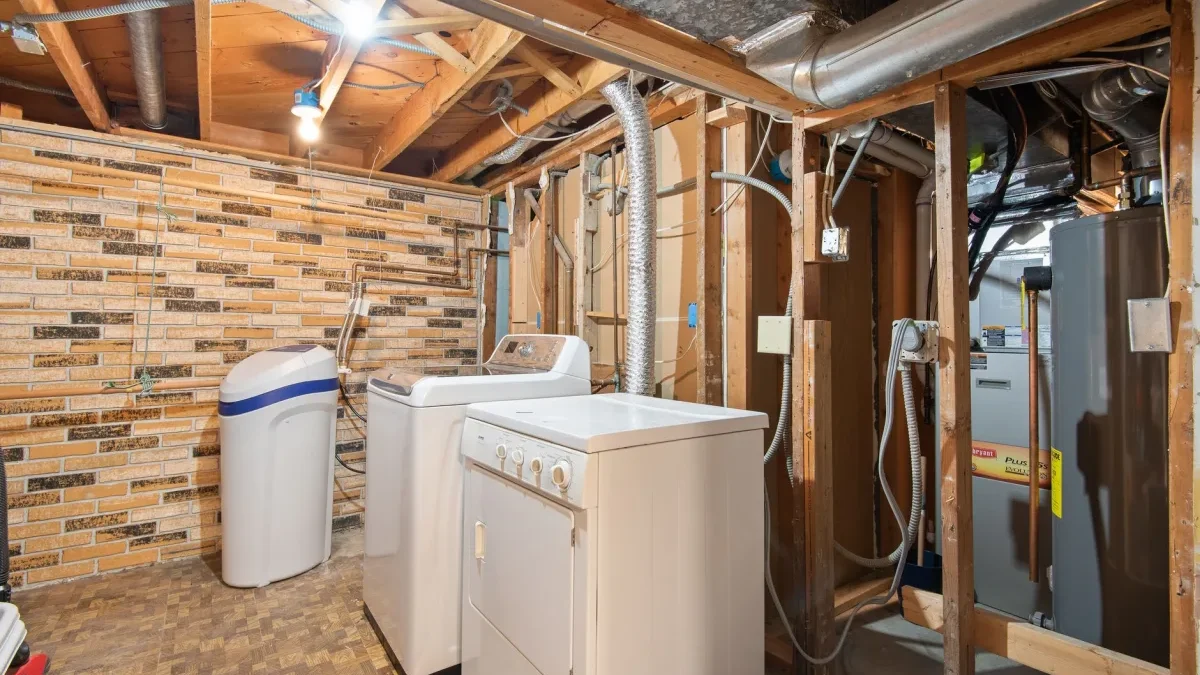
The worst basement flood I ever saw happened during a power outage that lasted nine hours. The homeowner had a perfectly good sump pump and a generator in the garage, but the generator was a tiny 1,000-watt unit he bought for camping. It stalled the second the pump tried to start. By morning he had four inches of water and a ruined furnace.
Sump pumps are sneaky loads. They sit quiet for weeks, then the same storm that knocks out your power is the exact moment they need to run hard. Sizing a generator for a sump pump isn’t complicated, but the number that matters is not the one printed on the pump’s nameplate.
Let me walk you through what actually happens when that pump kicks on, and how to pick a generator that won’t leave you bailing with a bucket.
Key takeaways
- A typical 1/2 HP sump pump runs on about 800-1,050 watts but needs roughly 2,000-2,300 starting watts for a split second.
- Size your generator to the starting surge, not the running number, or the motor won’t spin up.
- A 3,500-4,000 watt generator comfortably covers one sump pump plus a few lights and a phone charger.
- A soft starter can cut the surge dramatically and let a smaller generator do the job.
Why a generator for a sump pump trips people up
Every motor pulls a big gulp of current the instant it starts. Electricians call it inrush or locked-rotor current, and for a sump pump it’s usually two to three times the running draw. That spike lasts a fraction of a second, but your generator has to supply all of it or the motor stalls and hums.
Here’s the trap. A 1/2 HP pump might list 8 or 9 running amps on its label. Multiply by 120 volts and you get around 1,000 running watts, which sounds like a 1,200-watt generator would cover it. It won’t. That same pump can demand 18-20 amps at startup, which is over 2,200 watts for that first heartbeat.
A mistake I see all the time is homeowners buying to the running number and wondering why their pump grinds instead of pumps. The starting surge is the whole ballgame.
Real numbers: what your pump actually pulls
Sump pump motors come in a handful of common sizes. The figures below are what I’ve measured with a clamp meter on real installs, and they line up with most manufacturer specs. Yours may vary a little, so always check the label first.
| Pump size | Running watts | Starting (surge) watts |
|---|---|---|
| 1/3 HP | 600-800 | 1,300-1,800 |
| 1/2 HP | 800-1,050 | 2,000-2,300 |
| 3/4 HP | 1,100-1,400 | 2,600-3,100 |
| 1 HP | 1,500-1,900 | 3,500-4,100 |
Find your pump’s horsepower on the label or in the manual, then look at that starting column. That surge number is your minimum generator surge rating, with a little headroom on top.
Never run a generator in a garage, basement, or anywhere near an open window. Carbon monoxide from a portable generator can kill in minutes. Keep it outside, at least 20 feet from the house, with the exhaust pointed away. The CPSC logs dozens of generator-related CO deaths every year, and nearly all of them were preventable.
How to size the generator, step by step
Sizing is mostly arithmetic once you know the surge number. I do it the same way on every job.
1. Start with the pump’s surge
Take the starting-watt figure for your pump size. For a common 1/2 HP pump, call it 2,300 watts to be safe.
2. Add anything else running at the same time
During an outage you’ll probably want a few LED lights (maybe 60 watts total), a phone charger, and possibly the furnace blower. If you’re also planning to keep the heat on, my breakdown of what size generator you need to run a furnace lays out those numbers, because a blower motor has its own surge to account for.
3. Match the generator’s two ratings
Every generator lists two numbers: running (rated) watts and starting (peak/surge) watts. Your pump’s surge has to fit under the generator’s surge rating, and everything’s steady-state draw has to fit under the running rating. Both have to check out.
- Generator surge watts are higher than your pump’s starting surge
- Generator running watts cover the pump plus lights plus anything else
- You’ve left about 20% headroom so the unit isn’t maxed out
- The outlet and cord are rated for the pump’s amperage
For a single 1/2 HP pump plus basics, a generator rated around 3,500 running / 4,000+ surge watts is my go-to. It starts the pump without strain and leaves room for a light or two. If you want to power more of the house, work through the full method in this guide to sizing a generator for your whole home.
A cheaper path: shrink the surge with a soft starter
Here’s the trick most folks don’t know about. You can lower the pump’s starting surge instead of buying a bigger generator. A soft starter ramps the motor up gradually rather than slamming it to full speed, which can cut inrush by 50% or more.
On a job last winter I fitted a soft starter to a 3/4 HP pump so it would run off the homeowner’s existing 3,000-watt inverter generator. Without it, the pump surged past what that little unit could handle. With it, the pump barely made the generator blink. If a smaller, quieter generator appeals to you, read up on how soft starters shrink the generator you need before you spend money on a bigger machine.
If your generator has to run the pump plus a fridge, a furnace, and lights all at once, wire in load management so the big motors don’t try to start at the same instant. My write-up on generator load management and load shedding explains how to stagger those loads.
Connecting it safely (don’t skip this part)
A sump pump usually plugs into a wall outlet, so the easy answer is a heavy-duty extension cord run from the generator to the pump. Use a 12-gauge outdoor-rated cord and keep it as short as you reasonably can. A skinny, 100-foot cord drops voltage and can make the motor struggle to start all over again.
If you’d rather not run cords through a window every storm, a proper transfer switch lets the generator feed your existing circuits safely. Never backfeed power by plugging a generator into a dryer outlet. That energizes your home’s wiring and can electrocute a lineman working to restore power. My rundown on transfer switches covers the safe options.
Homeowners who deal with frequent outages often decide a permanent solution beats dragging out a portable unit at 2 a.m. If that’s you, take a look at the tradeoffs in this complete guide to whole-house standby generators. For general storm prep, Ready.gov’s power outage guidance is a solid, plain-language reference, and the CPSC portable generator safety center covers the CO risks in detail.
Your move before the next storm
Grab a flashlight, read your sump pump’s label, and write down its horsepower. Match that to the starting-watt column above, add a little headroom, and you’ll know exactly what generator will keep your basement dry.
Do it on a calm, dry afternoon. Test the whole setup once so you’re not learning how it works while water rises around your ankles. A 20-minute dry run today is worth every penny of that ruined furnace you’ll never have to replace.