The most common reason a brand-new standby generator runs rough, throws error codes, or shuts off under load isn’t the generator at all. It’s the pipe feeding it. I’ve been called out to more than a few homes where a $6,000 unit was choking simply because someone ran it off the same half-inch line that feeds the furnace.
Getting the natural gas line size for a generator right is honestly one of the least glamorous parts of the install, and one of the most important. Gas is different from propane or gasoline: it comes in at low pressure, and a 22kW generator gulps a lot of it at once. Skimp on the pipe diameter and the engine simply can’t pull enough fuel to make full power.
So let’s walk through how I actually size these lines on a real job, the numbers that matter, and where beginners get tripped up.
Key takeaways
- Size the pipe to the generator’s BTU demand at full load, not its “average” use.
- Length matters as much as diameter, a long run needs a fatter pipe.
- Most whole-home units (16kW–26kW) need a 1-inch to 1-1/4-inch line, not the 1/2-inch that feeds appliances.
- Your utility meter and regulator have to supply the whole house plus the generator at once.
- Gas line sizing is a permitted, code-governed job, get it inspected.
Why the natural gas line size for a generator is a bigger deal than you’d think
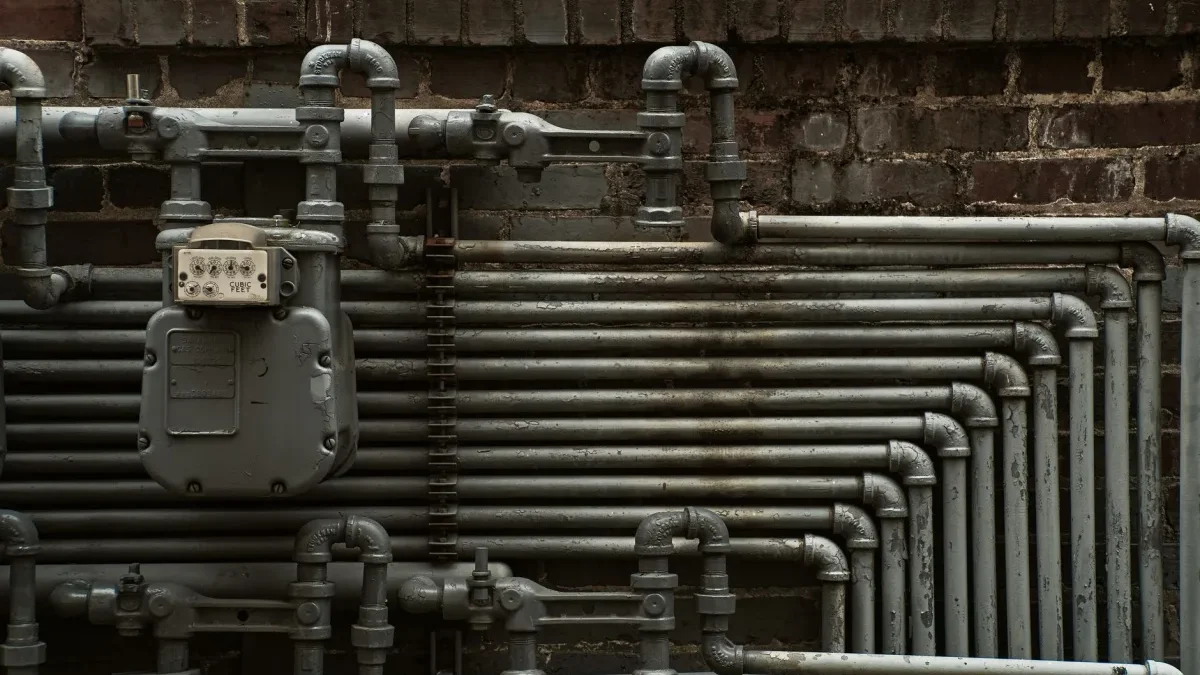
Residential natural gas usually arrives at your appliances around 7 inches of water column, that’s less than half a pound of pressure. There isn’t much to spare. Every foot of pipe, every elbow, every tee eats a little of it.
A generator engine under load is a hungry beast. A 22kW Generac, for example, calls for roughly 300 cubic feet of gas per hour at full output. Your furnace might pull 100,000 BTU. Your water heater, 40,000. Add a running generator on top and the total can double.
If the pipe can’t deliver that volume, pressure sags. The generator sees low fuel pressure, derates or faults out, and you’re standing in the dark wondering why the expensive thing you bought won’t carry the house.
The two numbers that decide pipe size: BTU load and distance
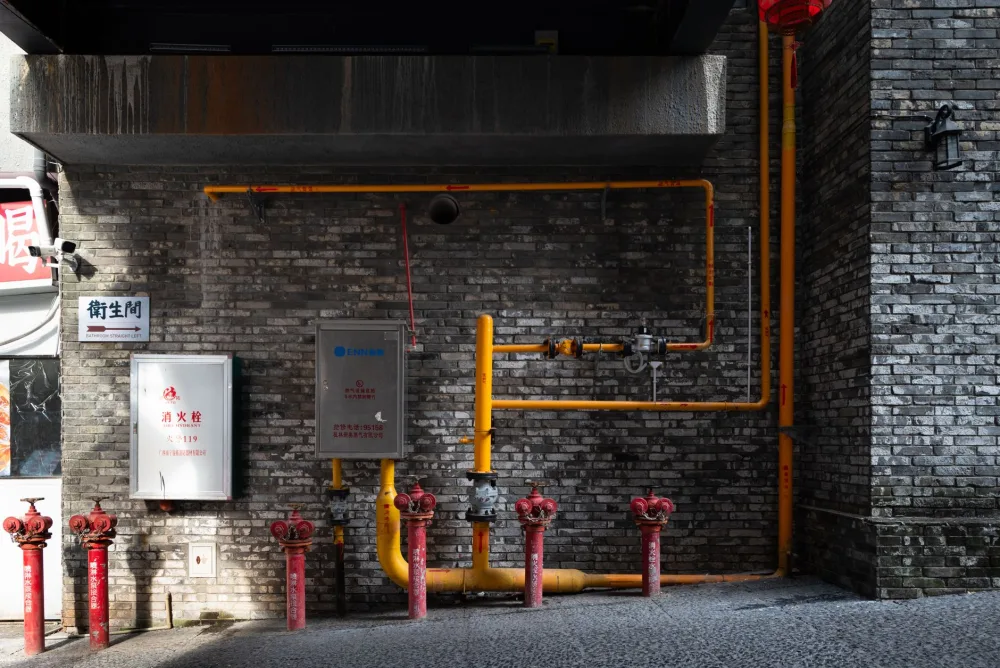
Sizing a gas line comes down to two things, how much fuel the load demands, and how far that fuel has to travel from the meter.
Step one: find the BTU demand
Generator specs list fuel consumption, but you can convert electrical output to gas demand quickly. Natural gas holds about 1,000 BTU per cubic foot. A rough field rule I use: figure roughly 10,000 BTU per kilowatt for a modern air-cooled standby unit.
So a 22kW unit lands near 220,000 BTU/hr. Here’s a quick reference for the common sizes I install:
| Generator size | Approx. gas demand (BTU/hr) | Cubic feet/hr |
|---|---|---|
| 10 kW | 150,000 | ~150 |
| 14 kW | 190,000 | ~190 |
| 18 kW | 250,000 | ~250 |
| 22 kW | 300,000 | ~300 |
| 26 kW | 340,000 | ~340 |
Use the manufacturer’s actual spec sheet for the final number, these are ballpark figures to get you oriented.
Step two: measure the run
Now measure the total pipe length from the gas meter to the generator, and don’t cheat here. On a job last winter the homeowner swore it was “about 40 feet.” It was 78 feet once I ran the tape around the foundation. That difference bumped us from 1-inch pipe to 1-1/4-inch.
Elbows and tees add “equivalent length” too. A practical habit: add roughly 5 feet of pipe for every elbow when you’re estimating.
Reading a pipe sizing chart without losing your mind
Gas codes publish capacity tables, how many cubic feet per hour a given pipe diameter carries over a given distance at low pressure. Here’s a simplified version for Schedule 40 black iron at 0.5 psi with a 0.3-inch water column drop, which covers most homes:
| Pipe size | Capacity at 40 ft | Capacity at 80 ft | Capacity at 120 ft |
|---|---|---|---|
| 3/4″ | ~245 CFH | ~168 CFH | ~135 CFH |
| 1″ | ~460 CFH | ~316 CFH | ~253 CFH |
| 1-1/4″ | ~945 CFH | ~649 CFH | ~521 CFH |
Say you’ve got that 22kW unit (~300 CFH) at 80 feet. A 1-inch line carries 316 CFH there, technically it squeaks by, but with almost no margin. I’d step up to 1-1/4-inch and sleep better. Pipe is cheap compared to a callback.
Natural gas work is not a DIY sizing exercise you eyeball. Undersized or leaking lines are a fire and carbon-monoxide hazard. Sizing must follow your local code (usually based on the NFPA 54 fuel gas code), be permitted, and be pressure-tested and inspected. If you’re unsure, hire a licensed gas fitter.
The mistake I see all the time
People tap the generator into the nearest existing appliance line. That half-inch or three-quarter-inch pipe was sized for one appliance, it was never meant to feed a whole-house generator on top of everything else.
The house load and the generator both draw at the same time during an outage, because the generator runs while the furnace, water heater, and range keep working. Your meter and regulator have to supply all of it simultaneously.
That’s why I always call the gas utility before an install. Sometimes the existing meter and service can handle the extra load; sometimes they need to swap the regulator or upsize the meter. It’s usually free, and it saves everyone a headache.
Ask your utility for the meter’s rated capacity in CFH before you buy the generator. If your meter tops out at 250 CFH and you want a 26kW unit needing 340 CFH, you’ll need a meter upgrade first, better to know on day one.
A quick checklist before you commit to a size
- Pull the generator’s exact fuel demand from the spec sheet (CFH at full load).
- Measure the true pipe run from meter to unit, then add ~5 ft per elbow.
- Check your gas meter’s rated capacity against total house demand plus the generator.
- Match pipe diameter to demand and distance using a code sizing table, with margin.
- Confirm whether black iron, CSST, or PE is allowed and required in your area.
- Pull a permit and schedule the pressure test and inspection.
Natural gas isn’t your only option, of course. If your street doesn’t have a gas main, propane covers the same ground with its own tradeoffs. It’s worth reading through how the common generator fuel types compare before you settle, and if you’re leaning toward LP, the pros and cons of propane generators and a look at how much propane a generator actually burns will tell you what tank size you need. For heavier or off-grid setups, some folks compare against diesel units for home backup too.
Where to go from here
If you’re at the planning stage, do this now: grab the fuel demand number off your target generator’s spec sheet, measure the run to where the unit will sit, and call your gas utility to confirm meter capacity. Those three facts tell your installer almost everything they need to quote the pipe correctly.
Then hand the sizing to a licensed pro who’ll permit and test it, and once it’s running, keep it healthy with a regular service routine, which our generator maintenance checklist lays out step by step. For the authoritative code and safety details, the NFPA 54 National Fuel Gas Code and the CPSC’s generator safety guidance are the references I point homeowners to.