
The first time I installed a meter collar transfer switch, I finished the electrical work before lunch. Twelve years of pulling wire and mounting service panels, and I stood there almost suspicious of how quick it went. No cutting into the main panel. No hunting for two spare breaker slots that weren’t there.
These things are still new enough that most homeowners have never heard the name, and plenty of installers haven’t touched one either. That’s a shame, because for a certain kind of house they’re the cleanest option on the market.
So let me walk you through what a meter collar transfer switch actually is, where it shines, and the couple of spots where I’d steer you somewhere else.
Key takeaways
- A meter collar transfer switch installs between your electric meter and the meter socket, no panel work required.
- Install labor is usually a few hours instead of a full day, which cuts total cost.
- It’s a whole-house device, so you’ll still want to size your generator to match the loads you actually care about.
- Your utility has to allow it, and a licensed pro almost always has to pull the meter to install it.
What a meter collar transfer switch actually is
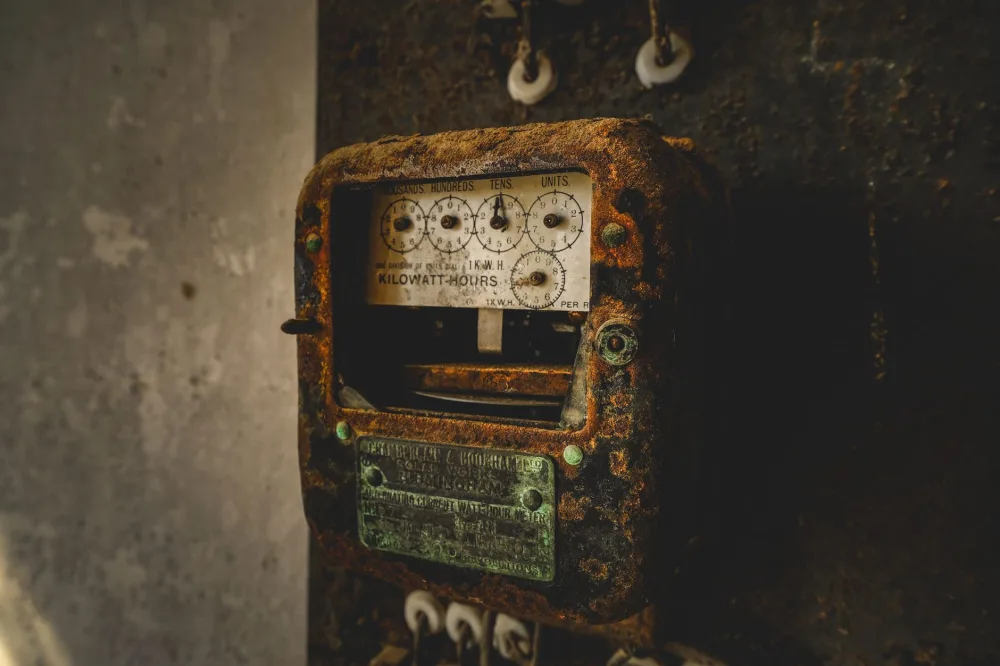
Your electric meter plugs into a round socket on the side of your house. A meter collar transfer switch is a ring-shaped adapter that sits in between, the meter pops out, the collar goes in, and the meter plugs back into the collar.
Inside that ring is the switching hardware. When the grid drops, it disconnects your house from utility power and connects it to your generator or battery instead. When the power comes back, it flips you back over.
Because it lives outside at the meter, it never touches your indoor panel. That’s the whole trick, and it’s why the install is so fast. If you want the broader picture of how these devices compare, I’d start with our complete guide to transfer switches and come back here.
Why the fast install matters for your wallet
A traditional whole-house transfer switch is a real project. You’re mounting a subpanel or a service-rated switch, re-landing conductors, and often coordinating a utility disconnect. That’s most of a day, sometimes two.
On a job last winter I priced a conventional service-entrance switch at around $1,400 installed, mostly labor. The meter collar version for the same house came in near $900, same protection, hours instead of a full day on the clock.
The device itself isn’t cheap; collars run roughly $700 to $1,200 depending on brand and amp rating. But you claw a lot of that back on labor. For a deeper breakdown of where the money goes on a standard job, our piece on installation cost and process lays it out.
Pulling the meter usually means working on the line side of your service, the part that stays energized even with your main breaker off. This is not a DIY afternoon. Most utilities require a licensed electrician and their own authorization before anyone touches that meter.
How it stacks up against the other hookups
There are three common ways homeowners connect a generator, and each has a personality. I keep this little cheat sheet in my head on every estimate.
| Option | Typical installed cost | Install time | Best for |
|---|---|---|---|
| Meter collar switch | $900 to $1,600 | 2 to 4 hours | Whole-house backup, no free panel space |
| Interlock kit | $400 to $800 | 3 to 5 hours | Budget builds, DIY-friendly panels |
| Circuit transfer switch | $900 to $1,800 | Half to full day | Backing up a chosen set of circuits |
The cheapest path is still an interlock kitand I love them for the right panel. But interlocks need compatible panel space and a bit of homeowner discipline about which breakers you flip. The collar takes that judgment call off your plate.
Whole-house, with a catch
A meter collar switch is a whole-house device by nature. It backs up everything downstream, which sounds great until your generator tries to run the electric range, the dryer, and the heat pump all at once.
That’s why sizing matters more here, not less. If you’re weighing coverage against generator size, read our take on whole-house versus circuit transfer switches before you buy.
Sizing your generator so the lights don’t flicker
A mistake I see all the time: someone buys a slick meter collar setup, then hooks it to a 3,500-watt portable and wonders why the breaker trips every time the well pump kicks on.
The collar happily passes whatever your generator can make. It won’t magically stretch 3,500 watts into a whole home. A 7,500 to 10,000-watt unit is a sane starting point for most single-family houses, and larger if you’re running central air or a heat pump.
Do the math before you buy the switch, not after. Our walkthrough on sizing a generator for your home gives you a worksheet to add up real loads.
Some collars are rated for automatic transfer with a standby unit, others only for manual portable hookup. Confirm the rating matches your generator type before ordering, a manual-only collar won’t talk to an automatic standby.
What has to line up before you buy
The device is simple. The approvals around it are where people get tripped up. Run through this before you spend a dime.
- Your utility allows meter collar devices, some still don’t, so call and ask by name.
- Your meter socket type and amp rating (usually 100, 150, or 200 amps) matches an available collar.
- There’s physical clearance around the meter for the collar to sit without fouling the cover.
- You have a licensed electrician lined up who’s pulled a meter before.
- Your generator’s wattage and type (portable versus standby) fit the collar’s rating.
The utility question is the big one. Because the collar sits on their metering equipment, some power companies treat it like touching their property, which, technically, it is. A quick call saves you from buying hardware you can’t legally use.
For the ground rules on generator safety and backfeed hazards, the U.S. Fire Administration keeps a solid plain-English reference at usfa.fema.gov. Worth five minutes before your first outage.
Keeping it working once it’s on
A meter collar switch is low-maintenance, but “low” isn’t “none.” Once a year I like to run a transfer test, start the generator, watch the house cut over, then cut back. It takes ten minutes and tells you the contacts are still healthy.
The generator itself needs far more attention than the switch does. Stale fuel and a dead battery strand more homeowners than any transfer failure I’ve seen, so put those on a schedule.
Is this the right switch for your house?
If you’ve got a full panel, want the whole house covered, and don’t relish a two-day install, a meter collar transfer switch is probably the smoothest road you’ll find. If you’re on a tight budget or only need a handful of circuits, an interlock or circuit switch still wins.
Your next step is one phone call: ask your utility whether they permit meter collar devices on their sockets. That single answer decides everything downstream. While you wait to hear back, run your load math and set up a generator maintenance routine so the whole system is ready the day the grid isn’t.