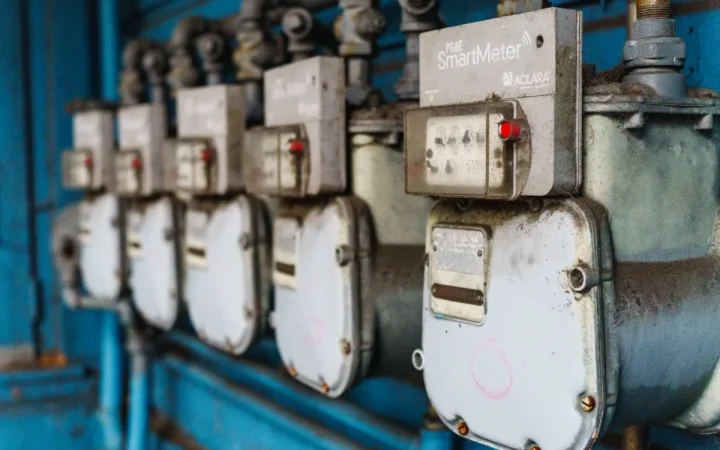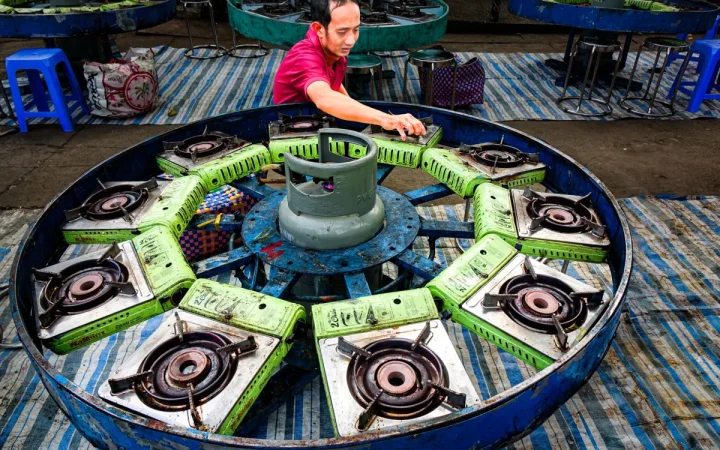
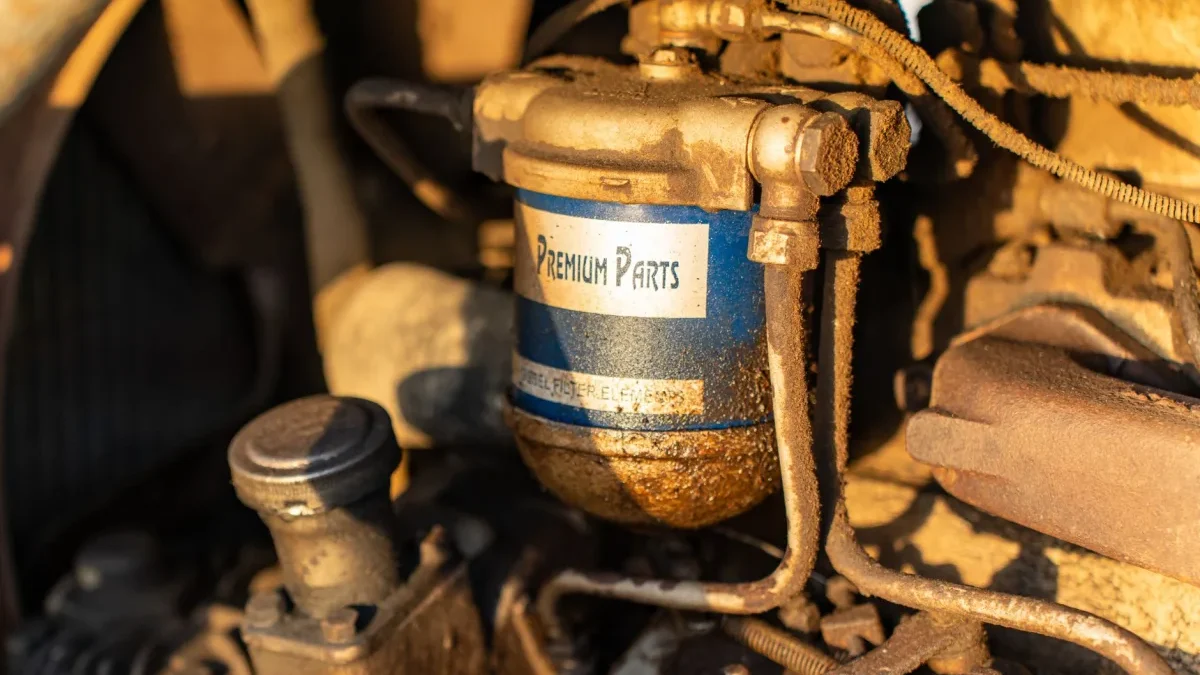
The first tri-fuel conversion I ever did was on a neighbor’s job site, not a customer’s. His portable generator had been sitting in a shed on stale gasoline for two summers, and it wouldn’t start no matter how many times he yanked the cord. We drained the carburetor, bolted on a conversion kit, ran a hose to his 20-pound grill tank, and it fired on the second pull. He looked at me like I’d done a magic trick. All I’d really done was give the engine a fuel that doesn’t go bad sitting still.
That’s the whole appeal, honestly. A conversion takes a generator that only drinks gasoline and lets it also run on propane or piped natural gas. You keep your options open, and you stop being at the mercy of one fuel that’s a pain to store and worse to find during an outage.
But there’s real nuance here, power loss, install cost, safety details, that the sales listings gloss over. Let me walk you through it the way I’d explain it standing in your garage.
Key takeaways
- A tri fuel generator burns gasoline, propane, or natural gas, and a conversion kit adds the extra two fuels to a gas-only unit.
- Expect to lose roughly 10 percent of your rated wattage on propane and up to 20-25 percent on natural gas.
- DIY kits run $150-$400; a plumber tapping your natural gas line usually adds $500-$1,500.
- Propane stores for years without going stale, which is the single biggest reason folks make the switch.
What a tri fuel generator conversion actually does
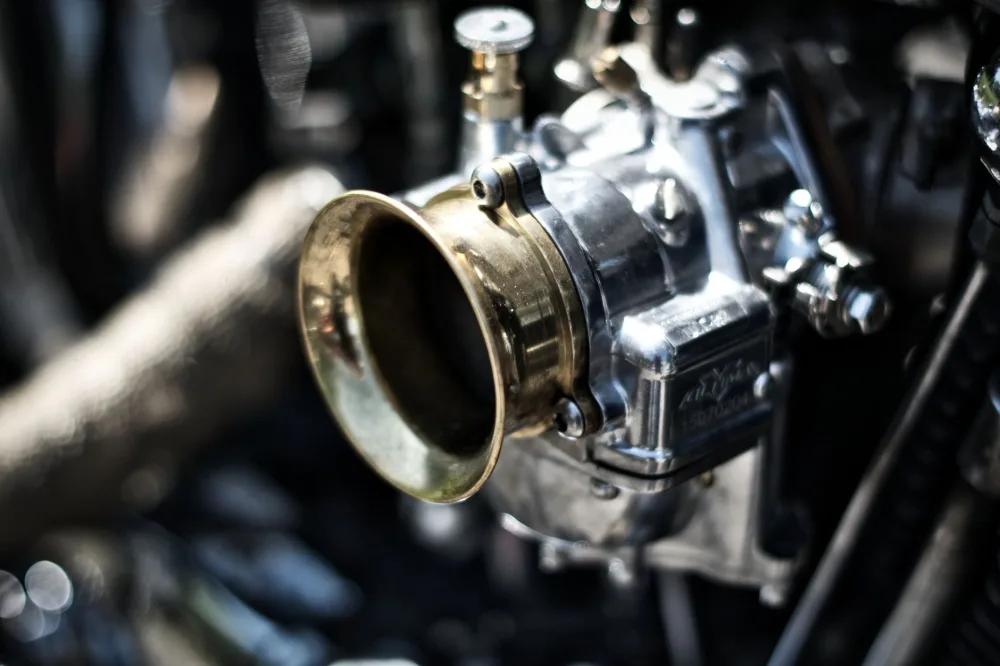
Your engine doesn’t care much whether it’s fed liquid gasoline or a gas vapor, as long as it gets the right mix of fuel and air. A conversion kit adds a regulator and a mixing block that sits between your fuel source and the carburetor. It meters propane or natural gas vapor into the intake, and a selector or a couple of hose swaps lets you pick which fuel you’re on.
On most kits you’re still using the original carburetor for gasoline. The propane and natural gas plumbing is bolted on alongside it, so nothing about your gas-only capability goes away. You gain two fuels, you don’t trade one for another.
Why the three fuels aren’t interchangeable in practice
Each fuel has a different energy density, and that’s where the trade-offs live. Gasoline packs the most punch per unit, propane a bit less, and natural gas the least of the three at the pressure it comes into your house.
That difference shows up as wattage. If your generator is rated at 7,500 watts on gasoline, plan on roughly 6,750 on propane and closer to 5,600-6,000 on natural gas. It’s not a defect, it’s physics. I’d rather you know that number before you buy than discover it when your well pump won’t kick on.
The real reasons people convert
The number one reason, by a mile, is storage. Gasoline starts degrading in a month or two and turns to varnish that gums up a carburetor. Propane in a sealed tank is still good a decade later. That’s why so many of the folks I talk with about how the different generator fuels stack up land on propane as their standby choice.
The second reason is outage math. During a bad storm, gas stations lose power and can’t pump. If your generator runs on natural gas piped from the street, you have fuel as long as the utility line holds pressure, which it usually does. I get into that reliability question more in my piece on whether a natural gas generator keeps running during an outage.
Third is just plain flexibility. Run natural gas at home for cheap, throw a propane tank in the truck for a camping trip, keep a can of gasoline for a quick job. One machine covers all of it.
Propane and natural gas are fuel gases under pressure. Always leak-test every fitting with soapy water before you run the unit, brush it on, watch for bubbles, and never use a flame to check. And keep any generator well away from windows and doors; carbon monoxide from the exhaust kills people every year regardless of which fuel it’s burning.
What it costs to convert
Here’s roughly what I quote people, and where the money actually goes.
| Item | Typical cost | Notes |
|---|---|---|
| Bolt-on conversion kit | $150 – $400 | Universal kits are cheaper; engine-specific kits fit better |
| Propane setup (hose, regulator) | Included in kit | You supply the tank |
| Natural gas line tap | $500 – $1,500 | Licensed plumber, permit often required |
| Your own labor (DIY) | 1 – 3 hours | Basic hand tools, no engine teardown |
The kit itself is cheap. The expensive part, if you want natural gas, is getting a properly sized gas line and a shutoff run to where the generator sits. That’s plumber territory, and it’s not the place to cut corners.
If you’re only after propane, a DIY install on a Saturday morning is very doable. I’ve watched first-timers do it in about 90 minutes with the printed instructions and a 7/16 wrench.
The install, step by step
I won’t pretend every kit is identical, but the sequence is nearly always the same. Read your specific instructions, this is the shape of the job, not a substitute for them.
- Confirm the kit matches your engine model and carburetor type before you order.
- Shut the generator off, disconnect the spark plug, and let it cool completely.
- Remove the air filter housing to reach the carburetor mounting studs.
- Install the mixing plate between the carburetor and air intake using the supplied gaskets.
- Mount the regulator and route the fuel hose to your propane tank or gas line.
- Leak-test every connection with soapy water at operating pressure.
- Start on gasoline first, confirm it still runs, then switch fuels and test each one under a light load.
Buy the engine-specific kit if one exists for your model, even if it costs $50 more than a universal one. The mixing plate lines up on the first try, the seals actually seal, and you’ll skip the fiddly shimming that eats an afternoon.
Where conversions go wrong
A mistake I see all the time is people expecting full nameplate power on natural gas and then blaming the kit when the numbers don’t add up. That’s not a bad kit, that’s the fuel. Size your generator around the derated figure, not the sticker.
On a job last winter, a homeowner had run his converted unit on natural gas for a whole season and couldn’t understand why his 8,000-watt generator kept tripping when the furnace, well pump, and fridge all cycled at once. He was pulling more than the 6,200 or so watts the machine could actually make on that fuel. We didn’t fix the generator, we fixed his expectations and staggered his loads.
The other common slip is fuel storage math. Propane looks bottomless until you’re 14 hours into an outage. A 20-pound grill tank runs a mid-size generator only about 5 to 6 hours at half load. If you want to ride out a two-day event, you need a 100-pound tank or a bank of the smaller ones. Running the numbers on how much fuel your generator size actually burns before an outage saves a cold, dark scramble later.
And don’t forget upkeep. Gaseous fuels burn cleaner than gasoline, but the engine still needs oil changes and valve attention on schedule, my full generator maintenance checklist covers what to touch and when.
Is a conversion right for your setup?
If you already own a solid gasoline portable and you’re tired of stabilizer, drained carburetors, and gas-station roulette during storms, a propane conversion is one of the best few-hundred-dollar upgrades you can make. It’s reversible, it’s beginner-friendly, and it buys you fuel that waits patiently for years.
Natural gas is a bigger commitment because of the plumbing, but if your home already has a gas line, the running cost is hard to beat, I break those numbers down in my comparison of what different fuels cost to run per hour. Just size around the lower wattage from the start.
Your next step is simple: find your generator’s exact engine model number, stamped on the block or the spec sticker, and search for a conversion kit made for it. New to portable backup altogether? Start with my beginner’s guide to portable generators for home backupthen come back and convert. And before you run anything, read the U.S. Consumer Product Safety Commission’s guidance on safe portable generator use and the Department of Energy’s notes on emergency home power. A tank that never runs dry does you no good if the exhaust is pointed the wrong way.