The first time a customer asked me if his new portable generator needed a ground rod, he’d already been given three different answers by three different people at the hardware store. That’s the problem with grounding. It’s simple physics wrapped in confusing language, and half the advice online is written by folks who’ve never actually stood in a wet driveway during an outage.
So let me clear it up the way I would over the fence. Knowing how to ground a generator safely isn’t about memorizing code sections. It’s about understanding what grounding does, when your unit already handles it for you, and when you need to drive a copper rod into the dirt.
I spent 12 years as a licensed electrician, and a good chunk of that was hooking up backup power for regular homeowners. Most of them were beginners. Nobody got hurt, and you won’t either if you follow a few plain rules.
Key takeaways
- Most modern portable generators are “bonded” internally, so plugging tools directly into them usually needs no separate ground rod.
- A ground rod becomes important when you feed power into your house wiring through a transfer switch or an inlet box.
- An 8-foot copper-clad rod, clamp, and #6 copper wire runs about $30 and takes 20 minutes to install.
- Never skip the manual. Some units require bonding changes; some already have a floating neutral for a reason.
What grounding actually does
Grounding gives stray electricity a safe path back to earth instead of through you. If a hot wire inside the generator touches the metal frame, a proper ground trips the breaker or blows the fault harmlessly into the dirt rather than turning the whole chassis into a shock hazard.
Think of it as a pressure relief valve. You hope it never gets used, but the one time it matters, it saves a life.
There’s a second piece people mix up: bonding. Bonding ties the neutral conductor to the frame at one specific point. Grounding connects that bonded system to the earth. You need both working together, but only in the right spot, or you get nuisance trips and ground-fault outlets that won’t reset.
How to ground a generator for basic tool use
Here’s the part that surprises people. If you’re just running a couple of extension cords to a fridge, a space heater, or your power tools, and everything plugs straight into the generator’s receptacles, most modern portable units are already grounded for that use.
The frame acts as the grounding point, and the manufacturer bonded the neutral to it at the factory. The Occupational Safety and Health Administration confirms this for many portable generators that meet the “separately derived system” exception. You can read their plain-language take at OSHA’s portable generator page.
A mistake I see all the time: someone reads a scary forum post, panics, and drives a ground rod for a generator that only ever runs an extension cord. It doesn’t hurt anything, but it’s often unnecessary work.
Never run a generator indoors, in a garage, or near open windows. Carbon monoxide from one unit can kill in minutes. Grounding protects against shock, not exhaust, so keep it at least 20 feet from the house with the exhaust pointed away.
When you really do need a ground rod
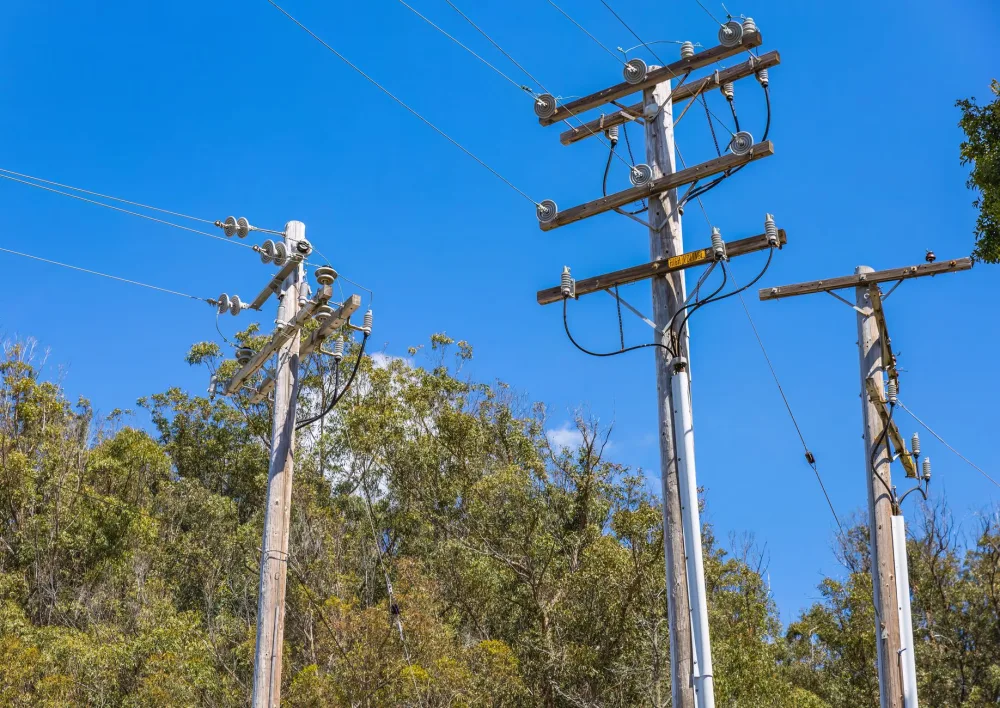
The rules change the moment you connect a generator to your home’s wiring. That means a manual transfer switch, an interlock kit, or a generator inlet box on the side of the house.
Now the generator is feeding your whole panel, and the earth ground needs to reference back to the same grounding system the utility uses. In this setup, a dedicated ground rod is usually required by the National Electrical Code, and your local inspector will look for it.
If you’re planning that kind of install, read up on how transfer switches work before you buy hardware. The switch type decides whether your neutral stays bonded at the generator or floats, and that single detail changes your whole grounding approach.
The floating neutral wrinkle
Some generators used with transfer switches need a “floating neutral,” meaning the factory bond has to be removed or was never there. Others keep the bond. Get this wrong and your GFCI outlets trip constantly or, worse, they stop protecting you.
On a job last winter, a homeowner in Ohio had bought a bonded-neutral unit for a switch that expected a floating one. His whole panel kept nuisance-tripping at 2 a.m. Twenty minutes and one removed bonding screw later, it ran clean. The manual told him exactly which screw. He’d just never opened it.
Installing a ground rod, step by step
When you do need one, the job is genuinely easy. Here’s the whole kit and the order I work in.
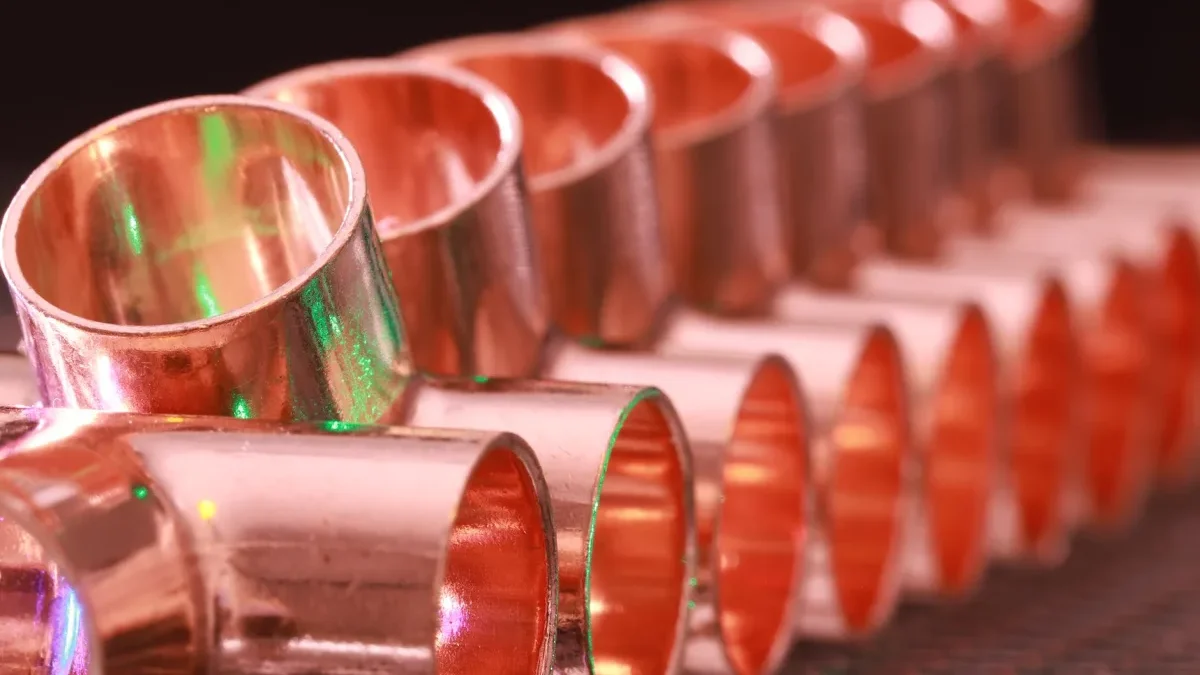
- Buy an 8-foot copper-clad steel ground rod (about $18), an acorn ground clamp ($4), and a length of #6 bare copper wire ($1 to $2 per foot).
- Pick a spot near the generator, away from buried utility lines. Call 811 first if you’re unsure what’s underground.
- Drive the rod until only a few inches stick out. Wet soil and a small sledge make this far easier than dry August ground.
- Attach the clamp to the exposed rod and secure your copper wire under it, nice and tight.
- Run the other end to the generator’s grounding lug, marked with the ground symbol, and torque it down.
The total spend is usually under $30 and the labor is 20 minutes if the dirt cooperates. Compare that to the cost of a shock, and it’s the cheapest insurance you’ll ever buy.
Keep the ground wire as short and straight as you reasonably can. Long, coiled runs add resistance and make the ground less effective. Ten feet of straight #6 beats thirty feet of loops every time.
Bonded versus floating neutral at a glance
This table is the cheat sheet I wish someone had handed me on day one. Match your setup to the row and you’ll know what your generator’s neutral should be doing.
| Your setup | Ground rod needed? | Neutral should be |
|---|---|---|
| Extension cords straight from generator | Usually no (frame-bonded) | Bonded (factory default) |
| Non-switched-neutral transfer switch | Yes, per code | Bonded at generator |
| Switched-neutral transfer switch | Yes, per code | Floating (bond removed) |
| Generator inlet / interlock kit | Yes, per code | Depends on switch type |
If you can’t tell which transfer switch you have, that’s the moment to call a local electrician. It’s a 15-minute answer for a pro and a genuine safety question, not a place to guess.
Habits that keep the whole system safe
Grounding is one layer. It works best alongside the rest of your maintenance routine, so don’t treat it as a one-and-done bolt you tighten and forget.
Check the clamp and lug for corrosion once a season, especially if you live somewhere salty or wet. A green, crusty connection is barely a connection at all. I fold this quick look into the same walkthrough covered in the complete maintenance checklist, right alongside oil and filters.
Weather matters too. Cold snaps stress starting systems and can loosen fittings as metal contracts, which is worth remembering if you’re already looking at cold weather kits and warmers. And if you ever notice tingling on the frame, hard starts, or breakers that trip for no reason, treat those as early signs your generator needs repair rather than quirks to live with.
Your next 30 minutes
Go grab your generator’s manual right now and find two things: whether the neutral is bonded from the factory, and whether the maker calls for a ground rod in your intended use. Those two lines settle 90 percent of the confusion.
If you’re only running extension cords, you’re likely set as-is. If you’re wiring into the house, put an 811 call, a $30 rod kit, and a chat with a licensed electrician on this week’s list. For the bigger picture on how grounding fits your total ownership cost, the breakdown in the real cost of an exercise cycle is worth a read before your next outage catches you flat-footed.