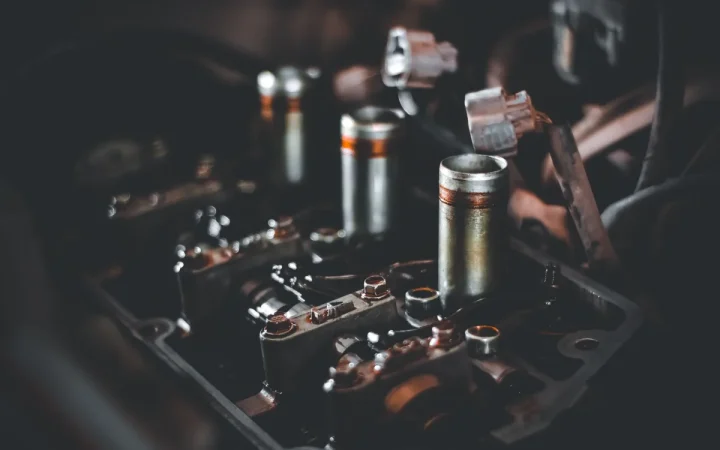

The worst service call I ever took came on a Tuesday in January. A guy on a rural road outside town had lost power for two days, hauled his generator out of the shed, and it wouldn’t turn over. When I pulled the carburetor bowl, it looked like someone had poured maple syrup in there. Old gas, left to varnish over a warm summer and a cold fall, had gummed the whole thing solid.
He’d spent about $700 on that generator three years earlier and used it maybe twice. Now he was looking at a $180 carb rebuild during the exact storm he’d bought it for. That’s the story I think about every fall.
Winterizing a portable generator isn’t hard, and it isn’t expensive. It’s mostly about deciding what you want the machine to do over the winter, then prepping it to match. Let me walk you through how I do it.
Key takeaways
- Bad fuel is the number one killer of stored generators. Add stabilizer or drain the tank completely.
- Change the oil before storage, not after. Warm, dirty oil holds acids that eat at the engine all winter.
- Decide up front: are you storing it, or keeping it ready to run in the cold? The steps differ.
- A cheap battery tender and a clean, dry spot do more for longevity than any additive.
First, decide: sleep or standby?
Before you touch a wrench, answer one question. Are you putting this generator away until spring, or do you need it ready to start at 2 a.m. when a nor’easter knocks out the grid?
Those are two different jobs. If you live somewhere the power actually goes out in winter, you want it fueled, stabilized, and startable. If your generator only comes out for summer camping or hurricane season, you want it dry and dormant.
Most homeowners I talk to fall in the first camp and don’t realize it. They think “winterize” means “shut down,” when what they actually need is a machine that survives the cold and fires up on demand.
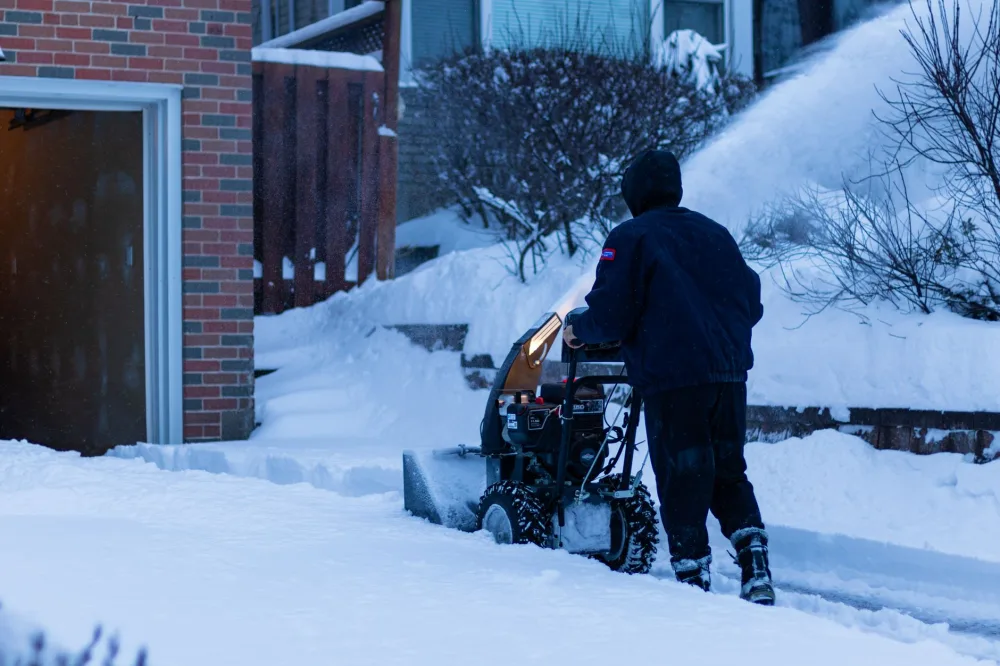
How to winterize a generator you’ll still need to run
This is the standby setup. The goal is a full, protected tank and an engine that starts in the cold.
Treat the fuel and keep it full
Gasoline starts breaking down in about 30 days. Ethanol-blended pump gas is worse because ethanol pulls moisture out of the air, and that water ends up in your carburetor. Add a stabilizer like STA-BIL at the dose on the label, usually about 1 ounce per 2.5 gallons, then run the engine 10 minutes so treated fuel reaches the carb.
Keep the tank full, not half empty. Air space is where condensation forms. A full tank has less room for water to collect on the inside walls.
Write the fill date on a strip of masking tape stuck to the tank. Rotate the fuel every 3 to 4 months by running the unit under a light load. Stale stabilized gas is still stale.
Change the oil and check the plug
Run the engine a few minutes to warm the oil, shut it down, and drain it while it’s still warm so the gunk flows out with it. Refill with the grade your manual calls for. In real cold, a synthetic 5W-30 flows far better at startup than the SAE 30 many small engines ship with.
While you’re in there, pull the spark plug and take a look. If the tip is black and crusty, swap it. A $4 plug is cheap insurance, and if you’ve never done it, my walkthrough on how to replace a generator spark plug covers it in five minutes.
Keep the battery alive
Electric-start models have a small battery that self-discharges in the cold. A $25 battery tender left plugged in keeps it topped off so the starter actually cranks when you need it. I’ve watched too many people yank a pull-cord in a blizzard because their dead battery left them no choice.
How to put a generator away for the season
If the machine is going to sit untouched until May, you have two honest options for fuel, and I’ll be straight about both.
| Approach | Best for | Watch out for |
|---|---|---|
| Stabilize a full tank | Ready-to-run standby units | Fuel still ages; rotate every 3-4 months |
| Drain fuel completely | Long storage, 4+ months untouched | Run carb dry or gum still forms in the bowl |
If you drain, don’t just empty the tank. Shut off the fuel valve and let the engine run until it dies. That burns the gas out of the carburetor bowl, which is exactly where my January customer’s syrup came from. An empty tank with a full carb still varnishes.
Drain fuel outdoors, away from any flame, water heater pilot, or cigarette. Store gasoline in an approved container, never inside your living space, and never run the generator in a garage or shed. Carbon monoxide has killed people doing exactly that.
A simple end-of-season checklist
Here’s the run-through I do on my own unit every fall. It takes under an hour once you’ve done it twice.
- Fuel stabilized or fully drained (carb run dry if draining)
- Oil changed while warm, filled to the full mark
- Spark plug inspected, replaced if fouled
- Air filter checked, cleaned or swapped if dirty
- Battery on a tender (electric-start models)
- Exterior wiped down, no mouse nests near the intake
- Covered loosely and stored dry, off the bare floor
That last point matters more than people expect. Mice love the warmth of a generator’s air housing, and I’ve cut chewed wiring out of more than one unit that sat all winter in an open shed. A snug cover and a couple of peppermint sachets keep the nesters out.
Where people get it wrong
A mistake I see all the time is folks who “winterize” by draining the tank and calling it done, leaving old oil and a full carburetor behind. The dirty oil is acidic and slowly etches bearing surfaces over four idle months. The carb varnishes. Come spring, the machine that was supposed to be protected needs a $150 service.
The other big one is skipping the test run. Prepping a generator and never starting it again until an outage is a gamble. Fire it up for ten minutes once a month, under a small load if you can, and you’ll catch a weak battery or fouled plug on your schedule instead of the storm’s.
Cold also thickens everything. If yours is a pull-start and it fights you in January, that’s often stiff oil, not a dead engine. The right winter-weight oil fixes most of that. When it truly won’t fire, my troubleshooting guide for a generator that won’t start walks through the usual suspects in order.
Your next hour, well spent
Pick a dry afternoon this month before the first hard freeze. Decide whether you’re storing or standing by, then work down the checklist above. Warm oil out, fresh oil in, fuel handled, battery tended.
If you want the full year-round picture, our complete generator maintenance checklist ties these seasonal jobs into a schedule you can actually keep. And if you’re still weighing gas against propane for cold-weather starting, the breakdown of generator fuel types is worth a read before next season.
Do the hour now. You’ll thank yourself the night the lights go out. For the official word on safe operation and CO risk, the CPSC portable generator safety center and Ready.gov’s power outage guidance are both solid references, and my own notes on carbon monoxide safety around generators cover the placement rules that keep this whole thing safe.