The first generator I ever ruined, I ruined by babying it. Brand-new 7,500-watt unit, straight out of the box, and the owner ran it at a whisper-quiet idle for hours because he was scared to load it. Six months later the rings were glazed and it burned oil like a two-stroke. He did everything he thought was gentle, and every bit of it was wrong.
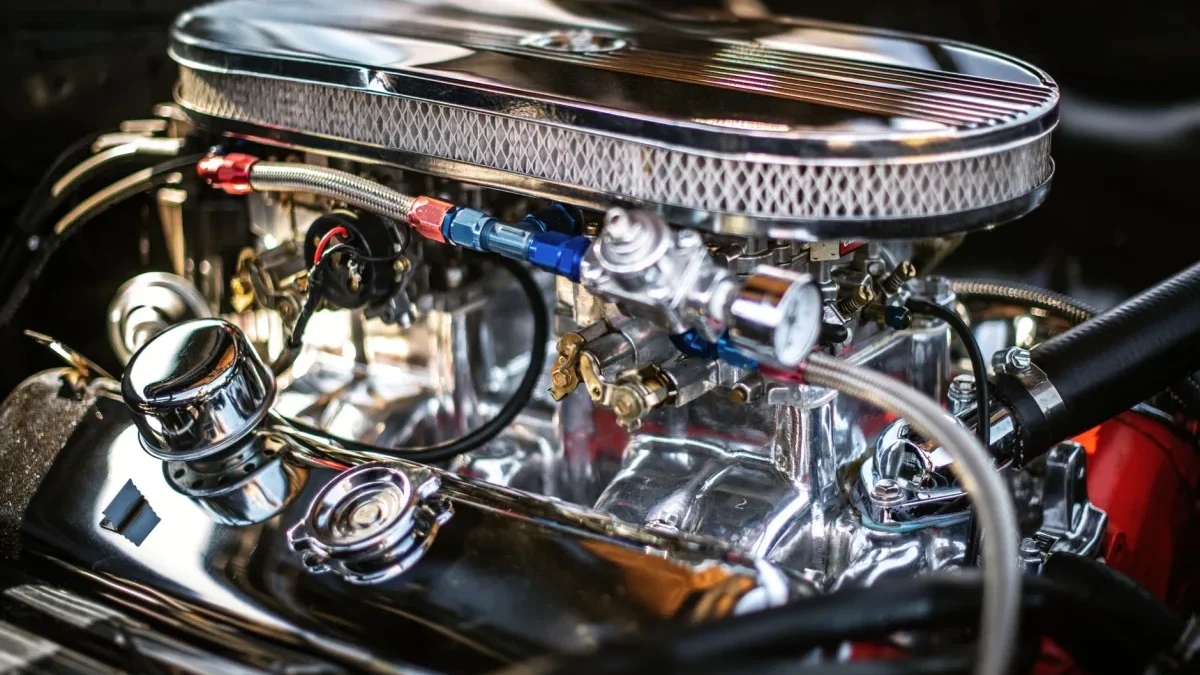
New engines are rough on the inside. The cylinder walls have a fine crosshatch pattern from the factory, and the piston rings need to wear against that pattern under real pressure to seat properly. That seating is what makes an engine hold compression and sip oil instead of gulping it. Skip it, or do it lazy, and you’re stuck with the results for the life of the machine.
Good news: it’s about an hour of your time and roughly twenty dollars in oil. Here’s exactly how I do it, the same way I did on install jobs for twelve years.
Key takeaways
- Run the first tank at a real load (about 50%), not at idle, light loading is what glazes cylinders.
- Change the oil early: once after the first 5 hours, again at 25 hours. That first oil is full of metal.
- Budget an hour and a few space heaters or a couple appliances to create load safely.
- Break-in only happens once per engine, and it locks in how the unit runs for years.
Why the generator break in procedure matters more than people think
Manufacturers ship these engines assembled but not “worn in.” The rings and cylinder are machined close but not perfect. Under moderate load, combustion pressure pushes the rings out against the wall, and the two surfaces polish each other into a tight seal.
At idle there’s barely any combustion pressure. The rings float, they don’t seat, and the crosshatch wears smooth before the rings ever grab it. That’s glazing, and it’s permanent. A glazed engine burns oil, smokes, and loses power, I’ve measured a supposedly 7,500-watt unit sagging under a 4,000-watt load because of it.
Never run a generator in a garage, breezeway, or within 20 feet of a window, even during break-in. Carbon monoxide from these engines can kill in minutes. The CPSC has documented hundreds of deaths from portable generators placed too close to homes, outdoors and well away from openings is the only safe spot.

Before you pull the cord
Read your specific manual first. Numbers vary, a Honda EU2200i and a big open-frame Champion don’t want identical treatment. But the checklist below covers what nearly every gas portable needs.
- Add oil. Most units ship dry or nearly dry, running one without oil is a five-minute funeral.
- Check the oil type. Straight 30-weight or 10W-30 is standard; your manual will say.
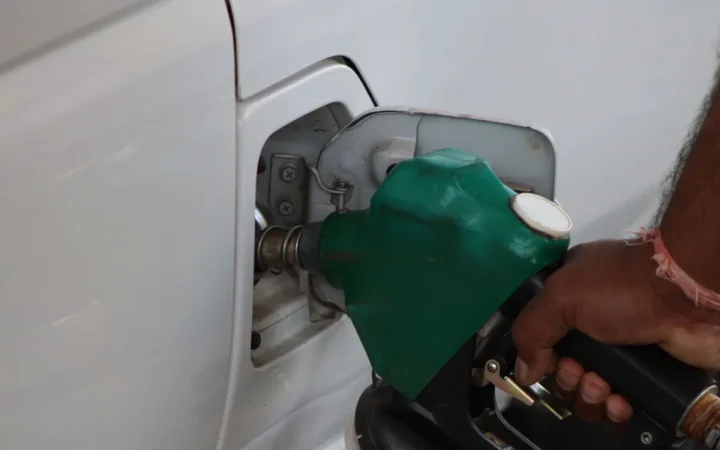
- Fill with fresh gas. If it’s older than 30 days or has heavy ethanol, don’t. Stale fuel is the number one no-start I get called about.
- Set it on level ground, outdoors, at least 20 feet from the house.
- Have a load ready: a couple space heaters, a window AC, or a few work lights on extension cords.
If any of this is unfamiliar, it’s worth reading through a plain-English beginner guide to portable generators for home backup before you start, it’ll make the manual make more sense.
The first hour, step by step
Start it and let it warm up
Fire it up and let it run with no load for about 5 minutes. This is the only time idling is fine, you’re just getting oil circulating and the engine up to temperature. Listen for anything ugly. A new engine can sound a little busy, but it shouldn’t knock or surge.
Load it to about half
Now put a real load on it. For a 5,000-watt generator, that’s roughly 2,000 to 2,500 watts, think two 1,500-watt space heaters, or a heater plus a few lights. Let it work at that level for the bulk of the first tank.
Don’t red-line it either. Break-in isn’t about maximum abuse; it’s about steady, moderate pressure. I vary the load a bit over the hour, bump it up, ease it off, because that changes RPM and helps the rings seat evenly across their range.
Space heaters are the cheapest break-in load out there. A pair of $25 ceramic heaters gives you a clean, steady 3,000 watts you can dial with their own switches, no fancy gear needed.
Run out the first tank
Let it run under that varying load until the tank is nearly empty, usually somewhere between 1 and 3 hours depending on tank size. Keep an eye on it. If you’re wondering whether your fridge counts as a good break-in load, it’s a light one on its own, this piece on whether a portable generator can run a refrigerator explains why a fridge only pulls a few hundred watts most of the time.
The oil changes nobody wants to do
This is where most people quit early, and it’s the part that matters most. That first batch of oil is doing double duty as a metal-catcher. As the rings and bearings wear in, they shed microscopic filings, and those end up suspended in the oil.
Here’s the schedule I stick to on every new unit:
| When | What to do | Why |
|---|---|---|
| Out of the box | Fill with correct oil | Many ship dry |
| After first ~5 hours | Full oil change | Dumps the worst of the break-in metal |
| At ~25 hours | Second oil change | Clears the rest; sets your normal interval |
| Every ~50-100 hours after | Routine change | Standard maintenance |
That first change after 5 hours feels almost wasteful, the oil’s only been in there an hour or two of runtime. Then you drain it and see the gray, glittery mess that comes out, and you get it. On a job last winter I drained a new inverter unit at 5 hours and the oil looked like liquid pencil lead.
Warm oil drains faster and carries more junk with it, so I always do the change right after shutting down, while it’s still hot. Careful, hot is hot. Catch it in a pan and take the used oil to any auto parts store; most take it free.
What break-in does not fix
A proper break-in makes a good engine last. It won’t rescue bad habits after the fact. The two things that kill more generators than break-in mistakes are stale fuel and improper storage.
If you only run the thing twice a year, how you park it between uses matters as much as break-in did. Fuel stabilizer, a run-dry or shut-off routine, and a dry spot, I lay it all out in this guide on storing a portable generator long-term. Fuel choice plays in too; if you’re deciding between gas, propane, and dual-fuel, the comparison of generator fuel types is worth a read before your next tank.
And if this whole routine has you rethinking whether a portable is even the right tool, comparing a portable generator against a battery power station can save you a lot of maintenance headaches down the road.
Your one-hour plan for this weekend
Pick a dry afternoon before you actually need the generator. Read the manual, put in fresh oil and fresh gas, roll it 20-plus feet from the house, and give it an hour under a couple of space heaters. Then change the oil while it’s warm, and mark your calendar for the 25-hour change.
Do that once and you’ve done right by the machine. For the deeper safety and placement rules, the manufacturer’s manual plus the guidance from the CPSC’s portable generator safety center and the Ready.gov generator page are the two references I’d keep bookmarked. An hour now buys you a generator that starts on the first cold morning it actually matters.