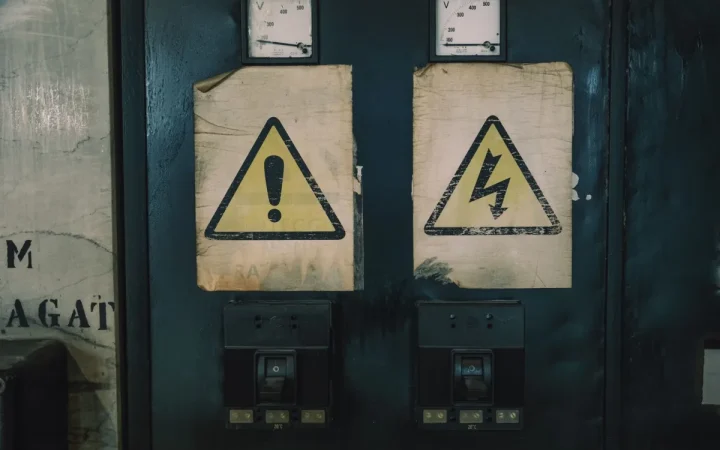

The generator roars to life, the neighbors’ houses stay dark, and yours still won’t power up. Nine times out of ten the generator isn’t the villain here. It’s the transfer switch, or something feeding it, that’s quietly gumming up the works.
I spent twelve years wiring and servicing backup power before I started writing about it, and I’ve opened up more of these boxes than I can count. The good news for you is that the failures repeat. Learn the handful of usual suspects and you’ll fix most of them yourself, or at least walk into the call knowing what your electrician is talking about.
So let’s go through the transfer switch problems that actually show up in the field, and what each one really needs.
Key takeaways
- Most no-power calls trace back to a tripped breaker, a loose neutral, or a switch left in the wrong position, not a dead generator.
- A switch that won’t move or chatters is usually a control-wire or solenoid issue, and it’s the one job I’d hand to a pro.
- Ten minutes of testing under load twice a year prevents about 80% of the surprises I get called out for.
Start with the transfer switch problems you can rule out fast
Before you touch anything, figure out whether the switch is even getting a chance to do its job. A cold generator or a blown inlet fuse looks exactly like a bad switch from the kitchen.
Run this quick mental checklist first. It costs you two minutes and saves you a repair bill more often than you’d think.
- Is the generator actually running and up to speed, not just idling or in choke?
- Are the main lugs or inlet breaker on the generator switched on?
- Is the transfer switch handle or selector fully in the “generator” position, not stuck halfway?
- Any tripped breakers on the switch itself or the panel it feeds?
On a job last winter, a homeowner in a rural township was ready to buy a whole new switch. The selector had stopped about a quarter inch shy of engaged. I nudged it home, the house lit up, and he felt a little silly. Don’t feel silly. It’s the first thing I check too.
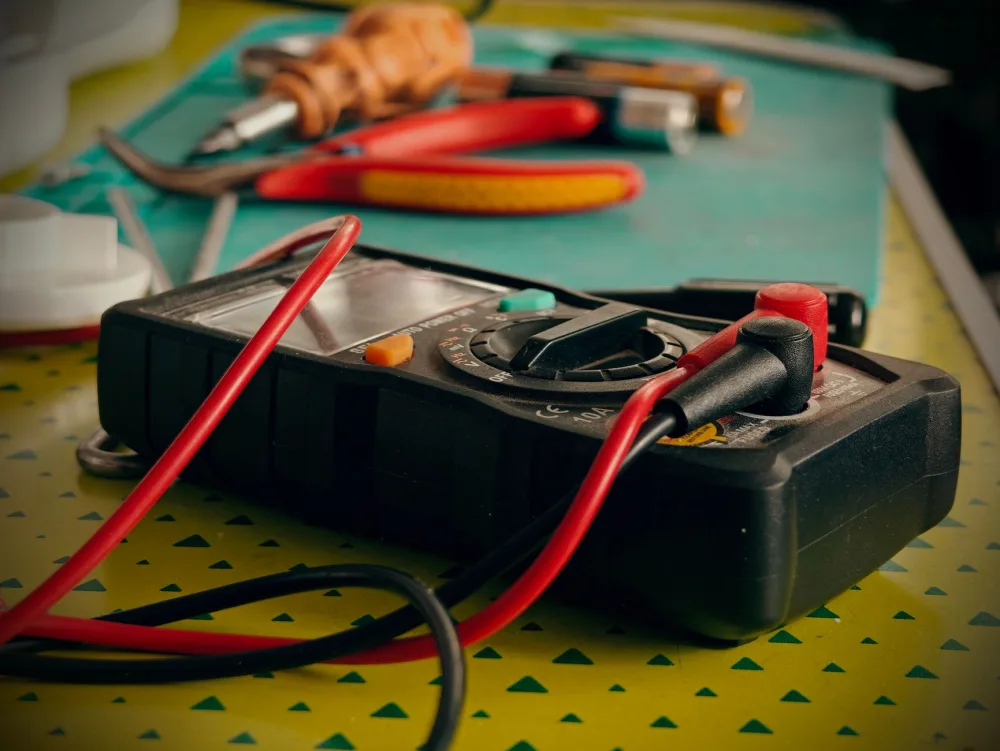
No power to the house even though the generator runs
This is the call I get most. Generator’s humming, switch is flipped, and the panel’s still dead.
A tripped breaker hiding in plain sight
Manual transfer switches have their own breakers, one per circuit, and they trip just like any other. A single popped breaker can kill the exact circuit you care about while everything else works fine. Walk the row and reset anything that’s not sitting flush.
The neutral or a lug worked loose
Vibration and heat cycling loosen connections over years. A loose neutral is nasty because it can give you flickering lights, weird voltages, or nothing at all. If you’re comfortable killing all power and pulling the cover, a quick check that every lug is torqued down solves a surprising number of these. If that sentence made you nervous, that’s your cue to call someone.
Inside that enclosure you can have both utility and generator power present. Always shut off the generator and the utility main before opening a transfer switch, and treat every conductor as live until you’ve verified it with a meter. The CPSC ties hundreds of deaths a year to generator-related incidents, and backfeed is a big piece of that.
The switch won’t transfer or makes a chattering noise
An automatic transfer switch that clicks rapidly, hums, or refuses to move is telling you its control circuit isn’t happy. This is a different animal from a dead breaker.
Chattering usually means the switch is seeing marginal voltage, sometimes from a weak generator battery or an undersized generator sagging under load. The solenoid tries to pull in, voltage drops, it drops out, and you get that machine-gun rattle. A generator that can’t hold voltage under load is often just too small for what you’ve bolted onto it, which is a sizing conversation more than a switch one, and our walkthrough on how to size a generator for your home lays out the math.
If it won’t move at all, suspect the control wiring between generator and switch, a failed transfer relay, or a dead 12-volt start battery. These are the transfer switch problems I’d rather you not chase alone. The control side is low voltage, but it sits inches from conductors that will absolutely hurt you.
Automatic switch that won’t sense the outage
Your automatic switch is supposed to notice the utility dropped and start the whole sequence on its own. When it just sits there during an outage, a few things are usually going on.
The controller has utility-voltage sensing thresholds and a time delay, typically a few seconds, so it doesn’t react to a momentary blink. If the delay got set long or the sensing fuse blew, the switch stays asleep. Some models also have an “off” or “manual” mode on the controller that quietly disables auto-start. I’ve found that toggle bumped more than once.
Older units drift out of calibration too. If yours is fifteen years old and getting cranky, that’s often the real story, and a replacement may cost less than repeated service calls. The comparison in our whole-house versus circuit transfer switch breakdown can help you decide what to put in if you go that route.
What each symptom usually means
Here’s the cheat sheet I wish someone had handed me early on. Match your symptom to the likely cause before you start pulling things apart.
| Symptom | Most likely cause | Typical fix |
|---|---|---|
| House dark, generator running | Tripped switch breaker or loose neutral | Reset breaker; re-torque lugs ($0 DIY to ~$150 pro) |
| Rapid clicking or hum | Weak battery or undersized generator | Replace battery ($30–$120); check load |
| Won’t move at all | Dead start battery or bad relay | Battery swap; relay replacement ($200–$450 pro) |
| Ignores the outage | Controller in manual, blown sense fuse | Reset mode; replace fuse ($10–$100) |
| Only some circuits work | Individual circuit breaker tripped | Reset the specific breaker ($0) |
Label every circuit on your manual switch with a paint pen the day it’s installed. When the power’s out and you’re working by flashlight, “fridge, furnace, well pump” beats guessing at “Circuit 4” every single time.
Interlock kits and manual switches have their own quirks
Not everyone has a fancy automatic setup. Plenty of homes run a simpler manual transfer switch or a breaker interlock, and those bring a shorter list of gotchas.
With an interlock, the number one issue is the sliding plate binding or getting installed slightly off, so it won’t let the backfeed breaker close. Loosen, realign, and it usually behaves. If you’re weighing that budget route, our piece on the generator interlock kit as a budget hookup covers where it shines and where it doesn’t.
Manual switches mostly fail from neglect and from being forced. People yank the handle or run more load than the switch is rated for. If you’re fuzzy on how the whole handoff even works, the plain-language complete guide to transfer switches is worth ten minutes before you troubleshoot.
Keep it from breaking in the first place
Almost every emergency call I ran could’ve been a quiet Tuesday-afternoon test instead. Twice a year, kill the utility power on purpose, start the generator, and run the house on it for fifteen minutes. You’ll catch the weak battery, the sticky handle, and the loose lug while the sun’s still up and the hardware store’s still open.
Write the date on a strip of tape inside the enclosure lid every time you test. Pair that with the routine in our complete generator maintenance checklist and you’ll be the neighbor whose lights actually come on. For the deeper wiring and code side, energy.gov’s guidance on home backup and standby systems and the safety references at the CPSC portable generator center are the two I’d point any homeowner to first.
Fix the small stuff early, test it twice a year, and know which two or three problems are yours to solve versus the electrician’s. Do that, and the next outage is a non-event. If you’re still at the planning stage, the numbers in our rundown of transfer switch installation cost and process will tell you what a proper job should run.