The question I get more than any other, usually from someone standing in their garage next to a brand-new generator still wrapped in plastic: “Marcus, how long is this thing actually going to run?” It’s a fair question, and the sticker on the box rarely gives you a straight answer.
Here’s the short version. Most homeowner-sized portable generators run somewhere between 8 and 12 hours on a full tank. But that spread is huge, and the honest answer is “it depends” on three things you control and one you don’t.
I spent twelve years wiring and servicing backup power, and I’ve watched people run out of gas at 2 a.m. in an ice storm because they trusted the brochure number. Let’s fix that.
Key takeaways
- Most portable units run 8 to 12 hours per tank at half load; runtime drops fast as you add appliances.
- The single biggest factor is load, not tank size. Half load can nearly double your hours versus full load.
- Fuel type matters. Propane and natural gas change the math entirely, and gasoline runtime is what the sticker usually quotes.
- You can stretch runtime with smart load management, a bigger tank, or an inverter unit that idles down.
What portable generator runtime actually means
When a manufacturer prints “10 hours” on the box, they’re almost always quoting runtime at 25 to 50 percent load with a full tank of gasoline. That’s the best-case number, measured in a lab, not in your driveway during a hurricane.
Portable generator runtime is simply how long the engine keeps producing power before the tank runs dry. The engine burns fuel at a rate tied to how hard it’s working. Ask it to power a fridge and a few lights, and it sips. Ask it to run a well pump, a space heater, and a window AC all at once, and it gulps.
So the “10 hours” on the box might really be 6 hours in your house. Not because the maker lied, exactly, but because you’re running more load than their test did.
The load math, without the headache
A typical 7,500-watt generator holds around 6.6 gallons of gas. At half load (about 3,750 watts) it might run 10 to 11 hours. Push it to full load and you could be refueling in 5 to 6 hours.
Here’s a rough guide I keep in my head on service calls:
| Load level | Example appliances running | Typical runtime (6.6-gal tank) |
|---|---|---|
| 25% (~1,875W) | Fridge, a few LED lights, phone chargers | 13-15 hours |
| 50% (~3,750W) | Fridge, lights, TV, small window AC | 9-11 hours |
| 75% (~5,600W) | Add a well pump and a microwave cycle | 6-8 hours |
| 100% (~7,500W) | Everything at once, heavy draw | 5-6 hours |
Notice how cutting your load in half roughly doubles your hours. That’s the lever most people never touch, and it’s free.
Why fuel type changes the whole answer
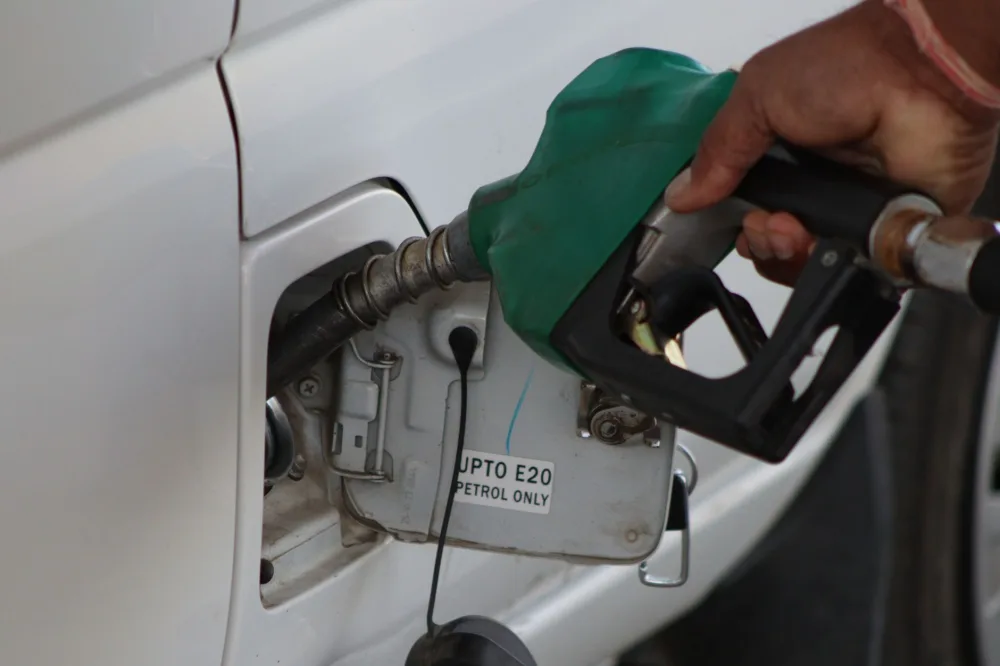
Gasoline is what the sticker number assumes, so most of the figures above are gas figures. But plenty of portables are dual-fuel now, and the runtime story shifts depending on what you feed them.
Propane burns a little less efficiently, so a 20-pound tank (the standard grill cylinder) usually gets you 5 to 7 hours at half load. The upside is propane stores for years without going stale, which gasoline absolutely does not.
Natural gas, if your generator is plumbed to a house line, runs essentially forever as long as the utility feeds it. No refueling at all. If you want the full breakdown of trade-offs, I walked through the differences in a comparison of generator fuel types that’s worth a read before you buy.
Never refuel a hot generator, and never run one in a garage, shed, or near an open window. Carbon monoxide kills fast and silently. The CPSC’s portable generator safety guidance recommends keeping the unit at least 20 feet from the house with the exhaust pointed away.
How to stretch your runtime
Runtime isn’t fixed. On a job last winter in a farmhouse outside Cedar Rapids, we took a family from refueling every 5 hours to every 9 just by managing what ran when. No new equipment.
Manage your load like a budget
You don’t need everything on at once. Run the well pump to fill a pressure tank, then shut it off. Cool the fridge down hard, then let it coast. Cycle the big draws instead of running them constantly.
- Prioritize: fridge, freezer, one heat source, a few lights. Everything else is optional.
- Stagger high-wattage items so they never run at the same second.
- Swap incandescent bulbs and old space heaters for lower-draw options where you can.
- Keep the tank topped off during daylight so you’re not fueling by flashlight at midnight.
- Track your real runtime the first time so you know your actual number, not the sticker’s.
Consider an inverter or a bigger tank
Inverter generators throttle the engine down when load is light instead of running full speed the whole time. That alone can add hours, and they’re a lot quieter, which I covered in a roundup of the quietest portable generators you can buy.
Some units also accept extended-run fuel tanks or a hookup to a larger propane cylinder. A 100-pound propane tank instead of a 20-pounder is a different life during a multi-day outage.
Do a dry run before storm season. Fill the tank, plug in your real appliances, and time it. You’ll learn your true runtime and shake out any starting problems while the sun’s still up and the hardware store’s open.
New generator? A few things affect runtime early
Fresh engines run a hair thirsty until they’re broken in. If yours is new, follow the break-in procedure before you lean on it hard. Rings need to seat, and a properly broken-in engine burns cleaner and runs more efficiently for years.
Old fuel is the other quiet killer. Gasoline starts degrading in about 30 days without stabilizer, and stale gas gums up carburetors and cuts efficiency. If your generator sits between outages, read up on storing a portable generator long-term so it starts on the first pull when you need it.
And if you’re brand new to all of this, my beginner’s guide to portable generators for home backup covers sizing, safety, and setup from scratch.
When runtime just isn’t enough
Sometimes the honest answer is that a portable isn’t the right tool. If your outages run three or four days and you’re refueling every 8 hours around the clock, that’s a miserable way to live.
A permanently installed standby unit runs on natural gas or a large propane tank and doesn’t need babysitting. I laid out the pros, costs, and install realities in a rundown of whole-house standby generators. For a lot of folks who lose power often, that math works out better than a fuel-can relay race.
Your next move before the next outage
Don’t wait for the lights to go out to learn your generator’s real runtime. This weekend, fill the tank, plug in the exact things you’d run during an outage, and start a timer. Write the number on a piece of tape stuck to the frame.
That single hour of testing tells you more than any spec sheet, and it turns “how long will this last?” into a number you actually trust. For deeper safety planning around outages, the Ready.gov power outage guidance is a solid reference to pair with your test run.