I’ve hauled a lot of generators up a lot of driveways. Some cost $329 at a big-box store the morning after a storm. Some cost $2,000 and came in a crate with a torque spec sheet. After twelve years wiring and servicing home backup power, I can tell you the price gap is real, but it doesn’t always mean what people think it means.
The cheap vs expensive generator question comes up every single outage season, usually from a homeowner standing in a flashlight beam wondering if they got ripped off. So let me lay it out the way I’d explain it to a neighbor leaning over the fence: where the extra money goes, and where it doesn’t.
Short version? Sometimes the budget unit is the smart buy. Sometimes it’s the most expensive thing you’ll ever own, because it fails at 2 a.m. in January.
Key takeaways
- A $300-$500 generator can run fine for occasional, light use; the gap shows up in noise, runtime, and lifespan.
- Premium units ($1,200-$2,500) buy you inverter-clean power, quieter operation, and parts you can actually replace in five years.
- Match wattage to your real needs first, overbuying a fancy unit wastes money faster than buying cheap.
- Cheap generators often skip the safety features (CO shutoff, proper GFCI) that matter most.
What “cheap” and “expensive” actually mean here
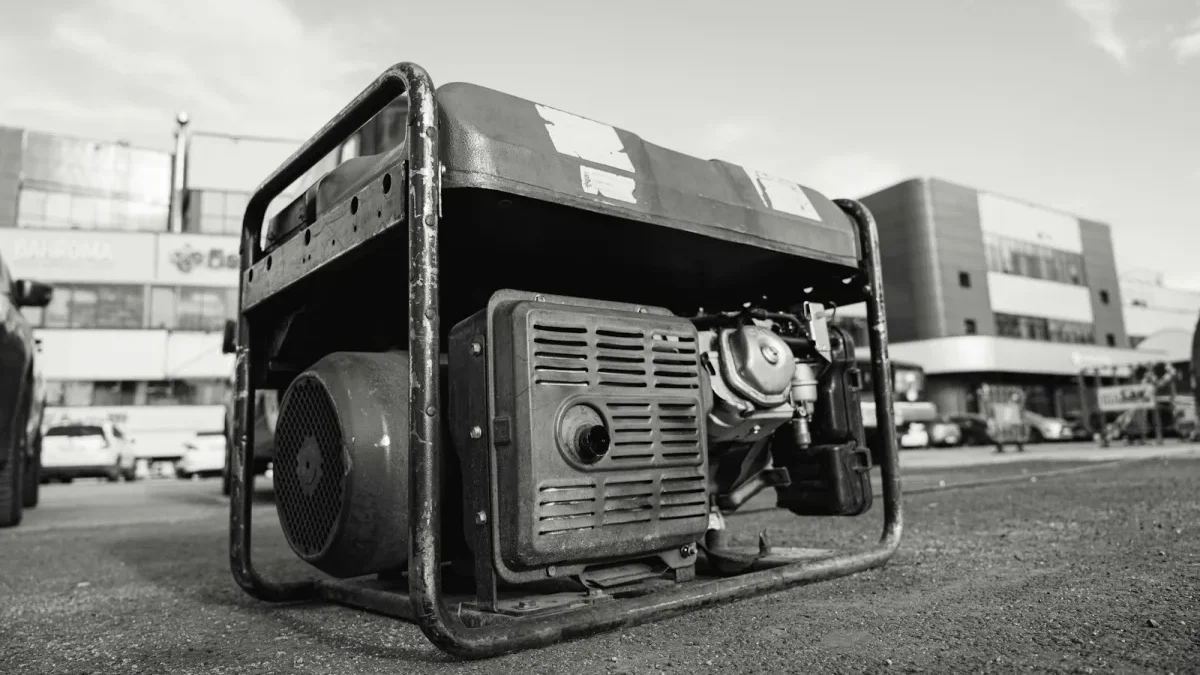
Let me put numbers on it so we’re talking about the same thing. When I say cheap, I mean roughly $300 to $600 for a 3,000 to 4,000-watt open-frame unit, the kind stacked on a pallet near the store entrance. Expensive lands around $1,200 to $2,500 for a 3,000 to 4,000-watt inverter generator from a name like Honda, Yamaha, or Champion’s higher line.
Notice something. Those two units can put out the same wattage. So you’re not always paying for more power. You’re paying for how the power is made, how long the thing lasts, and how much it annoys your neighbors at 6 a.m.
Before you shop either end, figure out your load. I walk people through this in the piece on how much wattage a portable generator needsbut the fast version: add up the running watts of what you must power, then leave headroom for motor startup surges.

Where your extra dollars really go
Power quality
This is the big one people miss. A cheap open-frame generator makes “dirty” power, the voltage waveform wobbles, and total harmonic distortion can run 12% or higher. Your fridge won’t care. Your laptop, gaming console, CPAP machine, and modern furnace control board might.
An inverter generator cleans that up to under 3% distortion. On a job last winter I swapped a homeowner’s $400 unit for an inverter model after his second furnace control board died mid-outage. That board cost him $340 each time. The “savings” evaporated fast.
Noise
Numbers tell this story better than adjectives. A budget open-frame unit runs around 72-78 decibels at 23 feet, think a loud vacuum that never stops. A quality inverter idles closer to 52-58 decibels, roughly normal conversation. Neighbors notice. HOAs definitely notice.
Runtime and fuel
Cheap units usually run at a fixed engine speed, burning gas whether you’re pulling 3,500 watts or 300. Inverters throttle down with the load, so a half-loaded premium unit might stretch a tank to 9-11 hours instead of 6. Over a three-day outage that’s a lot fewer trips to the gas can.
Never run any generator, cheap or premium, inside a garage, shed, or near open windows. Carbon monoxide from a portable unit can be lethal within minutes. The CPSC has documented hundreds of deaths from exactly this. Keep it at least 20 feet from the house with the exhaust pointed away, and read up on how to use a portable generator safely before your first start.
Where cheap generators quietly cut corners
The spec sheet won’t always show you this stuff, but I find it every time I service one.
Budget units often ship without a low-oil shutoff that actually works, with thin steel that rusts at the fuel cap, and, this is the one that worries me, without a built-in CO shutoff sensor. Newer premium units detect dangerous carbon monoxide buildup and kill the engine. Many cheap ones don’t.
- CO safety shutoff sensor built in
- True GFCI-protected outlets, not just a breaker
- Low-oil automatic shutoff that engages reliably
- Replaceable parts and a real parts catalog
- Spark arrestor if you’ll use it near dry brush
Parts availability is the sleeper issue. Three years in, a $400 generator’s carburetor cracks and the model’s been discontinued. Nobody stocks the part. It becomes scrap. A Honda EU3000 from 2015? I can still get every gasket for it.
A side-by-side at the same wattage
Here’s a rough comparison I sketch out for clients weighing a 3,500-watt budget open-frame against a premium inverter in the same class.
| Factor | Cheap (~$450) | Premium (~$1,800) |
|---|---|---|
| Power distortion (THD) | 10-15% | Under 3% |
| Noise at 23 ft | 74 dB | 55 dB |
| Runtime at half load | ~6 hrs | ~10 hrs |
| CO shutoff | Often none | Standard |
| Realistic lifespan | 2-4 yrs light use | 10+ yrs |
| Parts in 5 yrs | Hit or miss | Readily available |
Read that table honestly and you’ll see the premium unit isn’t “better at everything by a little.” It’s dramatically better at a few things that happen to matter during the exact moment you bought a generator for.
So which should you actually buy?
Depends entirely on how you’ll use it, and I mean that.
If you lose power maybe twice a year for a few hours, run a fridge and some lights, and store the thing in a dry shed, a solid $400-$500 unit is a perfectly rational choice. Don’t let anyone shame you into a Honda for that. Just budget for it to not last forever.
If you get multi-day outages, run sensitive electronics, or you’re powering a well pump and a furnace, the premium inverter earns its price back in reliability and clean power. If your outages are long and frequent, honestly compare against a permanently installed option too, I cover that tradeoff in the whole-house standby generator guide.
If long runtime is your priority but budget is tight, look at a dual-fuel model. Running on propane costs a bit more per kilowatt-hour but stores for years without going stale. I break down the tradeoffs in dual-fuel portable generators, explained and the broader fuel types comparison.
Your next move before you spend a dime
Don’t shop on price first. Shop on load, then runtime, then safety features, then price. Pull out last month’s outages, list what you actually need to keep running, and total the watts. That number tells you the size class, and only then does the cheap-versus-premium decision even make sense.
New to all this? Start with the plain-English beginner guide to portable generators for home backupthen come back and pick your tier. And whatever you buy, register it with the manufacturer and check it against the CPSC recall databaseI’ve turned away two recalled units from customers’ garages this year. For the wiring side, the Ready.gov power outage guidance is a solid reference on safe generator use during emergencies.
Buy the tool that fits the job. A generator you’ll baby twice a year and one you’ll lean on for a week straight are two different purchases, and pretending otherwise is how people waste money at both ends.