
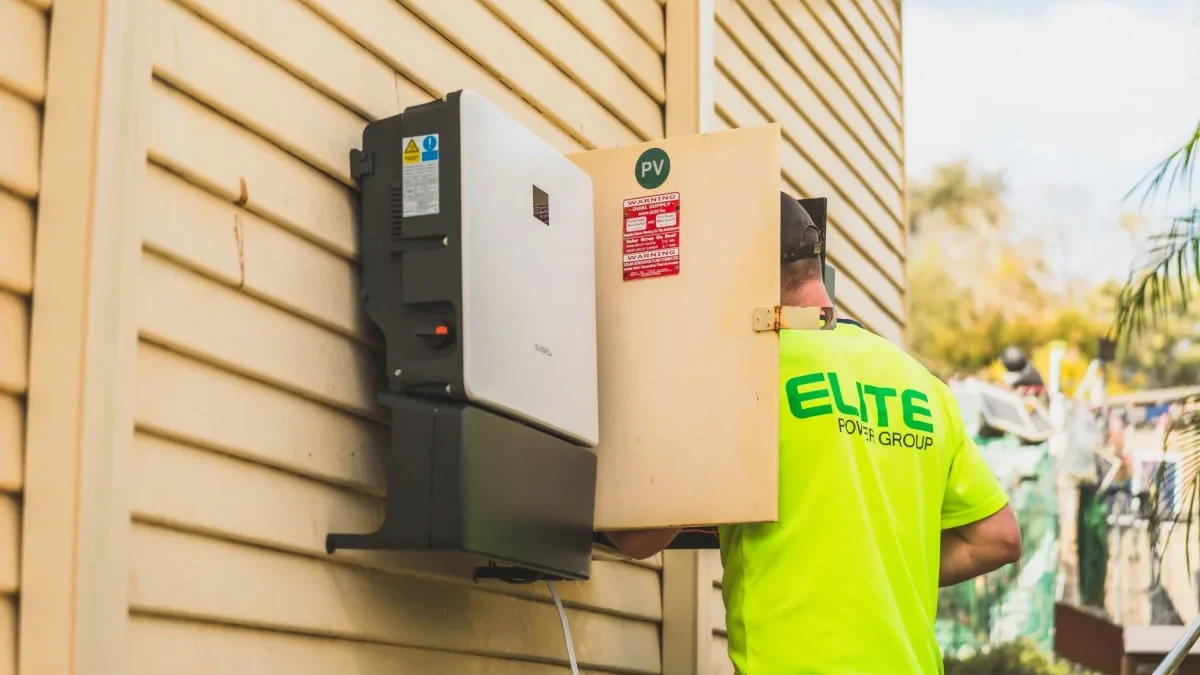
Most people call me after the power’s already been out for three days and the freezer’s leaking onto the garage floor. By then they just want it fixed, and they want to know what actually happens when a crew shows up to put a generator in. Fair question. It’s a bigger job than swapping a water heater and a smaller one than most folks fear.
I spent twelve years wiring these units before I started writing about them, so I’ve been the guy on my knees in the crawlspace and the guy explaining the invoice on the porch. What follows is the whole sequence, start to finish, minus the sales fluff.
If you’re still deciding whether the machine is even worth it, back up and read Do You Really Need a Standby Generator? first. This article assumes you’ve decided yes and want to know what the next few weeks look like.
Key takeaways
- A typical standby generator installation runs one to two days of on-site work, but the full timeline including permits and inspection is usually three to six weeks.
- Expect a total installed cost of roughly $8,000 to $18,000 depending on generator size, fuel line length, and how far the panel sits from the unit.
- The two big variables that drive your price are gas line distance and electrical panel location, not the generator itself.
- You do not need to be home for most of the work, but you do want to be there for the placement decision and the final test.
What a standby generator installation actually involves
A standby generator installation ties three trades together: an electrician, a gas fitter, and sometimes a small concrete or excavation crew. On smaller jobs one licensed company handles all of it. The generator sits outside on a pad, the transfer switch mounts near your electrical panel, and a fuel line feeds the engine from your natural gas meter or a propane tank.
When utility power drops, the automatic transfer switch senses it, tells the generator to start, and flips your house over to generator power. Ten to thirty seconds, usually. When the grid comes back, it flips you back and shuts the engine down. You don’t touch anything.
That handoff is the whole point. A portable unit makes you run outside with extension cords in the rain. If that trade-off interests you, the beginner guide to portable generators lays out the cheaper path.
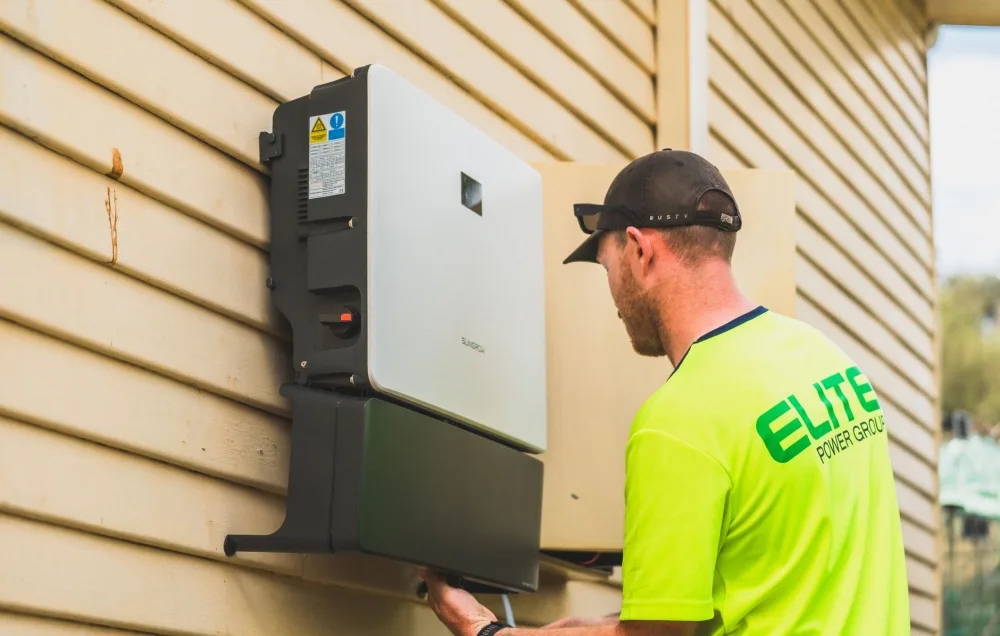
Before the crew arrives: sizing, permits, and the site visit
Sizing and the load calculation
Nothing gets ordered until someone runs a load calculation. A 22 kW air-cooled unit covers most 2,000 to 3,000 square foot homes with central air. Go bigger, add a second AC unit or an electric range and well pump, and you’re looking at 26 to 38 kW.
A mistake I see all the time: a homeowner buys the biggest generator the salesman offers “to be safe,” then pays for fuel and a slab they never needed. Get the math right instead of guessing. Our walkthrough on how to size a generator for your home shows the exact numbers to add up.
Permits and the utility
Almost every jurisdiction requires an electrical permit and a gas permit. The installer usually pulls these, but confirm it in writing. Permit fees land somewhere between $100 and $500 depending on your town.
Your gas utility may also need to verify your meter can supply enough volume. A 22 kW unit can pull 200-plus cubic feet per hour, and an undersized meter starves the engine. Upgrading the meter is free to cheap in most areas, but it adds a week or two.
Placement matters for more than looks. Code keeps the exhaust a set distance from windows, doors, and vents so carbon monoxide can’t drift indoors. The CPSC has documented deaths from generators placed too close to living space. Let the installer follow the clearance rules even if it means a less convenient spot.
Installation day, hour by hour
Here’s how a clean one-day job usually flows.
- Morning: crew sets the composite or concrete pad, or pours a slab if the ground needs it. Gravel base gets leveled and compacted.
- Late morning: the generator gets craned or muscled into place and bolted down. Air-cooled 22 kW units weigh around 400 to 500 pounds.
- Midday: the gas fitter runs and pressure-tests the fuel line from your meter to the unit.
- Afternoon: the electrician mounts the transfer switch, runs conduit to your main panel, and lands the wiring.
- Late afternoon: first start, breaker-by-breaker load test, and a walkthrough with you.
On a job last winter outside Cleveland, the only reason we ran into a second day was a 60-foot gas run under a paved driveway. We had to bore under it. That single obstacle added about $1,400 and four hours.
That’s the pattern. The generator install itself is predictable. The surprises come from distance and dirt.
What drives the price up or down
The generator is maybe half your bill. The rest is labor and materials that depend entirely on your house. Here’s a rough breakdown I give people so the quote doesn’t feel like a mystery.
| Cost factor | Typical range | What moves it |
|---|---|---|
| Generator unit (22 kW air-cooled) | $4,500 – $7,500 | Size and brand |
| Transfer switch | $400 – $1,200 | Whole-house vs. managed load |
| Gas line and hookup | $500 – $3,000 | Distance, boring, meter upgrade |
| Electrical labor and pad | $1,500 – $4,000 | Panel distance, slab needs |
| Permits and inspection | $100 – $500 | Local fees |
Get three quotes and make sure each one lists these lines separately. If a bid is $4,000 under the others, someone’s leaving out the gas work or planning to skip the permit. Neither ends well. For more traps to dodge, the seven mistakes buyers make is worth ten minutes before you sign.
Ask where the unit will actually sit before you sign, and go stand there. Owners regret placement more than any other decision, usually because the generator ended up under a bedroom window. If noise is a concern, our breakdown of standby generator noise levels helps you pick a quieter spot.
After the crew leaves: inspection and break-in
You’re not quite done when the truck pulls away. A town inspector has to sign off on both the electrical and gas work, usually within one to two weeks. Don’t run the generator as your only power source until that’s cleared, and keep the paperwork.
Most units also want a break-in oil change after the first 25 hours or so, then service roughly once a year. The generator will exercise itself weekly on a schedule you set, usually a five-minute run. Pick a mid-morning weekday so a neighbor isn’t jolted awake at 6 a.m.
Ready.gov’s guidance on backup power is a solid, plain-English reference for living with the thing safely once it’s in. Worth a bookmark.
Your realistic next move
Start with the site visit and load calculation, not the purchase. Once a real person has walked your yard, measured the gas run, and looked at your panel, the quote stops being a guess and the timeline gets honest.
Line up two or three installers, ask each to itemize the way the table above does, and confirm who pulls the permits. If you want the full picture of ownership beyond install day, the complete guide to whole-house standby generators covers fuel, maintenance, and lifespan. Do that homework now and the next storm becomes a non-event instead of a scramble.
References: U.S. Consumer Product Safety Commission and Ready.gov power outage guidance.